

DOPE Pickleball’s verifiable design philosophy is visible in the active catalog: build a recognizable system across edge, face, color, typography, accessories, packaging, and photography; keep the real product identifiable; and separate visual ambition from claims the evidence does not support.
The current storefront does not publish internal design briefs, manufacturing test records, athlete sign-off documents, or a formal product-development methodology. This article therefore explains principles observable in current products—not an undocumented claim about how every item was conceived or tested.
1. Make the Product Recognizable Before the Logo Is Read
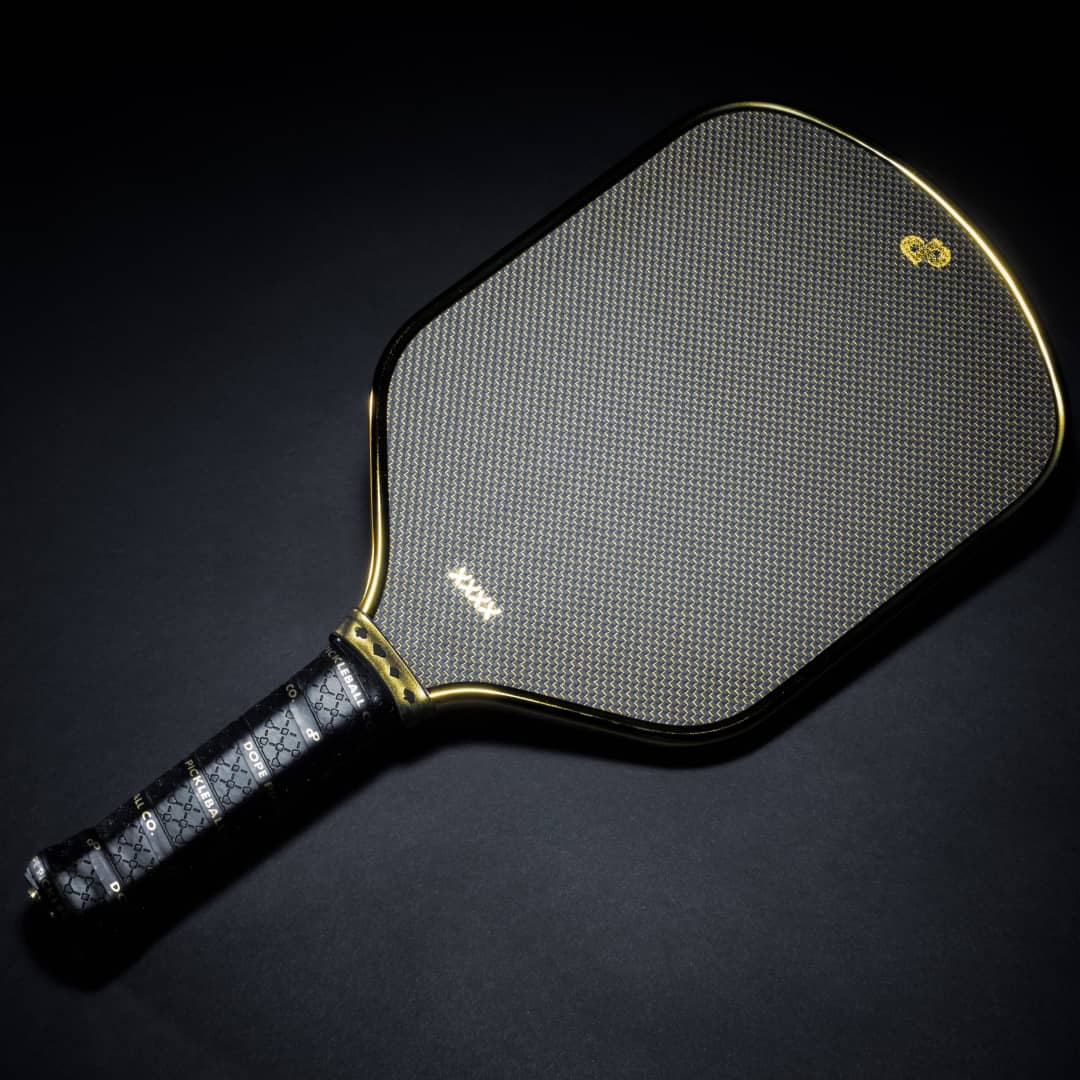
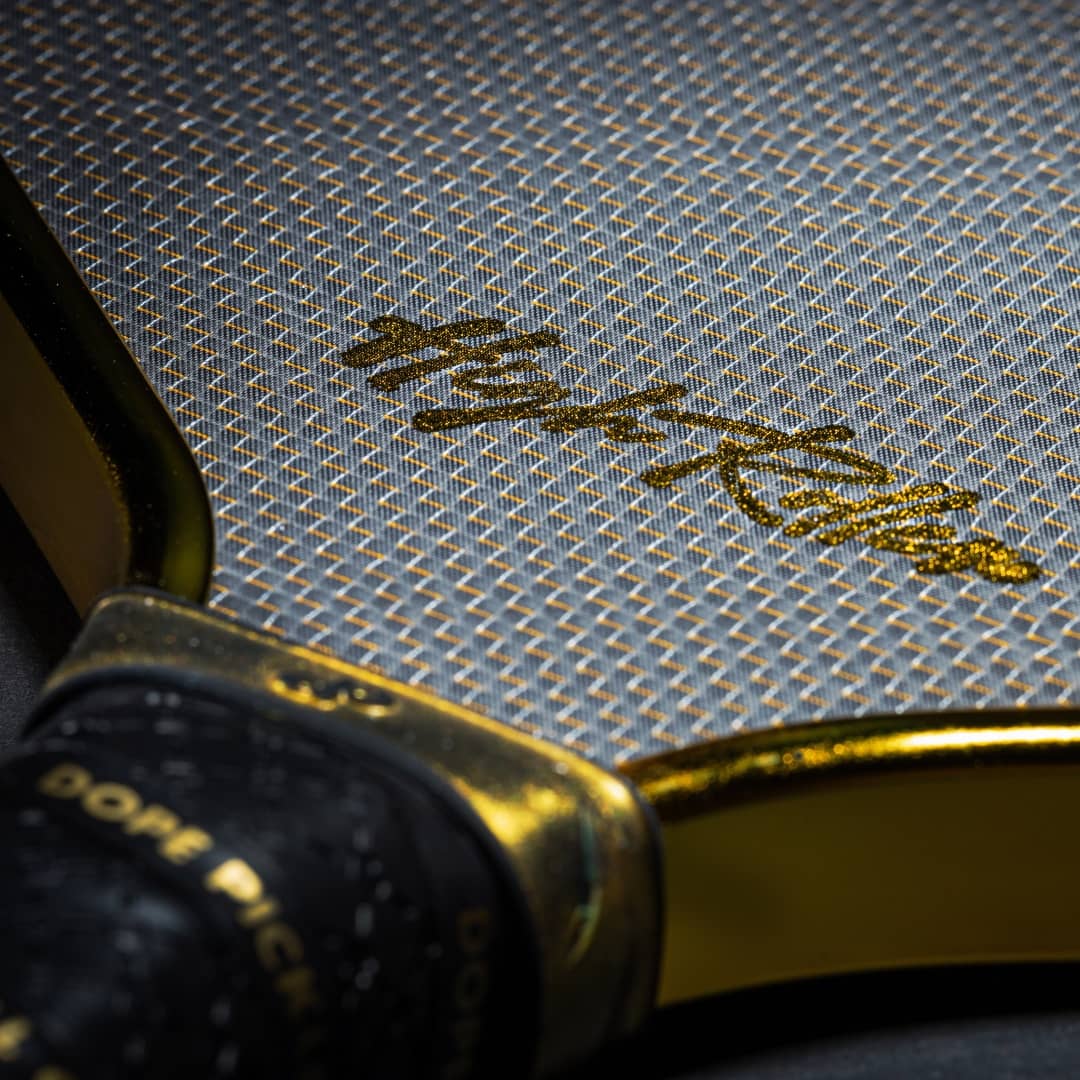
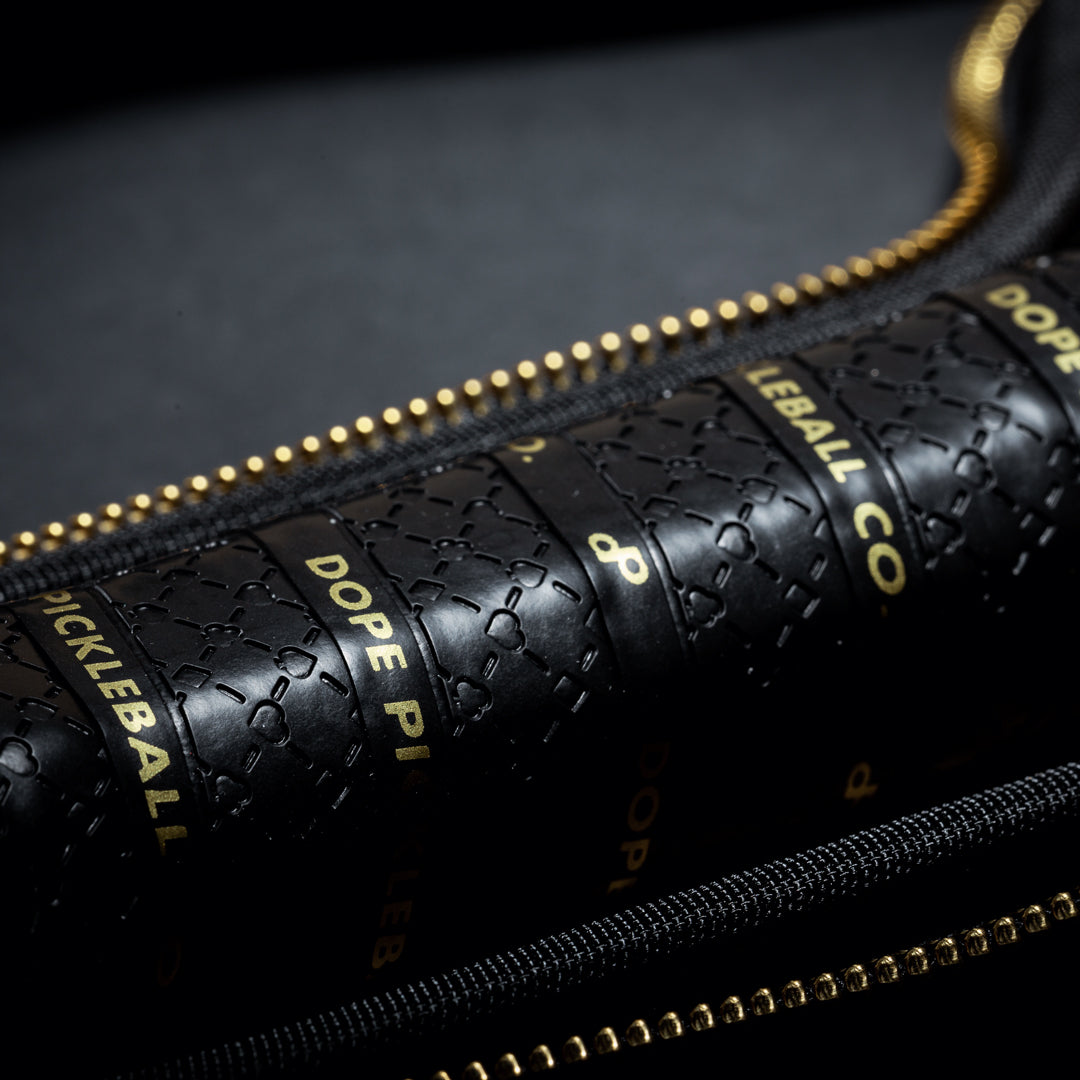
The High Roller uses a repeated black-and-gold system, reflective edge treatment, face graphics, grip, and end-cap detail. Recognition comes from the combination rather than one enlarged mark.
The active High Roller paddle listing describes an ornamental electroplated gold edge, real pressed gold foil, a custom grip, metal coin end cap, and NFC authenticity feature. Those are current design facts.
The paddle is not USA Pickleball approved. The reflective edge and foil do not prove power, spin, control, balance, durability, structural benefit, or sanctioned eligibility. A design philosophy earns trust by keeping those boundaries visible.
2. Repeat Motifs Across Product Categories
A collection becomes coherent when the paddle, case, apparel, socks, hats, tumbler, eyewear, balls, and small accessories share a visual vocabulary without pretending they are the same type of product.
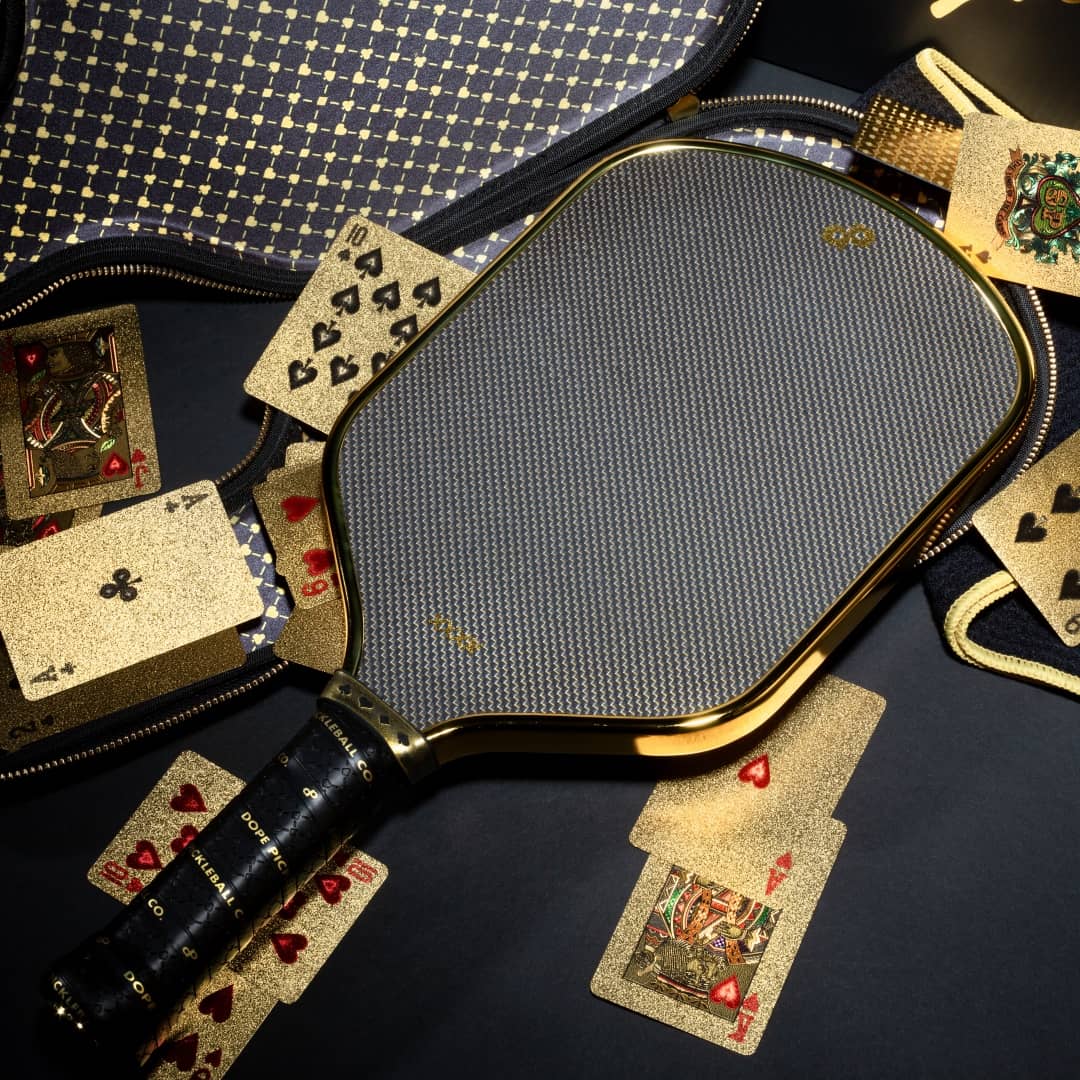
Black, gold, chrome, playing-card references, and the High Roller name repeat across the current catalog. The white-and-gold hat and pink or yellow balls expand the palette while retaining DOPE identity. Consistency should not erase product-specific fit, care, compatibility, or safety information.
3. Let Each Object Keep Its Role
A fitted case transports a paddle. A tumbler carries a beverage according to its care instructions. A shirt expresses brand and provides a documented material and cut. Balls are consumable playing products. Sunglasses require exact optical and impact documentation. Design should connect them visually without assigning one product’s claim to another.
The active High Roller sunglasses listing describes polarized lenses and UV protection but does not state ASTM F803 compliance, an ANSI impact rating, lens material, or a numerical UV category. Gold styling cannot replace protective-eyewear certification.
4. Show the Exact Product
Reflective products are particularly easy to misrepresent. Light, exposure, color grading, surrounding objects, and screen settings change their appearance. Product photography should show multiple real angles and preserve edge shape, face, grip, logos, color, texture, and proportions.
DOPE editorial should not generate a new paddle, add glitter to a ball, change the apparel cut, combine bundle items into a false configuration, or create a synthetic “product photo.” Lifestyle art can be creative only when the exact product remains separately visible and the composition is not mistaken for catalog evidence.
5. Treat the Bundle as a System With Current Contents
The live High Roller bundle currently describes 14 items: paddle, case, shirt, sunglasses, tumbler, towel, two keychains, socks, dice, and two gold balls. The exact live page should govern contents, variants, price, availability, and benefits at checkout.
The listing currently advertises a lifetime 40% discount, members-only giveaways, and VIP event invitations. A responsible design story does not transform those statements into guaranteed savings, guaranteed prizes, guaranteed admission, or a permanent digital community.
6. Design for a Use, Then State the Use Honestly
A design-forward recreational paddle can be successful without being sanctioned. A visually distinctive ball can be successful without a universal visibility claim. A fashion item can be successful without a cooling or injury-prevention promise.
Product positioning should name the intended setting, required approvals, compatibility, size, and limitations. “Not for this use” is part of good design communication.
7. Keep Inactive Chapters Historical
Manhattan Mint is not active in the current catalog used for this rebuild. A design archive can acknowledge it as an earlier chapter but should not link an inactive product, promise a relaunch, or use an invented mint render as current merchandise.
Current products should not be called technical replacements unless the brand documents that relationship. The live catalog owns present-tense promotion.
8. Review Claims as Part of Design Quality
Packaging, product names, captions, ads, influencer briefs, FAQs, and image alt text are part of the experience. Review each for unsupported performance, approval, health, safety, inventory, discount, and exclusivity statements.
If a visual suggests more items than the selected variant includes, fix it. If an image suggests certification, clarify it. If a claim cannot be traced to the exact product record or evidence, remove or qualify it.
9. Design the Product Page as Carefully as the Object
The page should connect title, handle, images, alt text, variant, quantity, specification, compatibility, price, inventory, shipping, returns, warranty, care, and FAQs. Contradictions between those fields create a design failure even when the physical object is excellent.
Every visible image should map to the selected product or clearly state that props and other items are sold separately. A current customer should not need to compare three old blog posts to discover what arrives.
10. Include Accessibility in Visual Decisions
Color and contrast should help people identify controls, variants, links, and essential information. Alt text should name the product and meaningful view without turning marketing claims into image description. Important approval or safety information should not appear only inside an image.
Reflective gold can be a signature while text, focus states, controls, and labels remain readable. Design identity and accessible communication are not competing goals.
11. Create a Release and Correction Record
Before launch, review the exact production sample, current photography, packaging, listing, claims, variants, and terms together. Record who approved each item and the date. After launch, route corrections through the same product owner rather than letting ads, emails, and blogs drift separately.
If a status changes—inventory, approval, bundle content, material, or benefit—update every public surface that could mislead a buyer. A designed system includes its correction path.
12. Preserve the Object Across Channels
A paddle should not change shape between product page, ad, blog, social post, email, and marketplace. A shirt should not gain a different cut. A four-pack should not become twelve. Build the creative campaign around the real asset rather than redrawing the merchandise to fit the composition.
A DOPE Product Design Checklist
- Can a customer identify the exact product from the image?
- Do the visual details repeat the collection without obscuring use?
- Are materials, dimensions, quantities, and compatibility current?
- Are performance and safety claims supported for the exact item?
- Is sanctioned approval stated correctly?
- Does the selected variant match the photography and caption?
- Are inactive products kept out of current promotion?
- Can the article be corrected when the catalog changes?
The strongest DOPE design philosophy is simple: make the product visually undeniable, then describe it with enough precision that the customer never has to choose between brand energy and product truth.
Frequently Asked Questions
Does DOPE publish independent performance tests for every product?
The current storefront record used here does not publish a complete independent test archive. This article does not assign performance results that are not documented.
Is the chrome edge a performance technology?
The live listing describes it as an ornamental electroplated gold edge. Appearance alone does not prove power, spin, control, durability, or structural benefit.
Is the High Roller paddle USA Pickleball approved?
No. The current product listing says it is not approved. Use it for recreational or unsanctioned play where permitted.


Share:
DOPE Pickleball Brand Story: A Verified Public Timeline
Who DOPE Pickleball Is Building For: Player Profiles