

DOPE Pickleball began publicly as a design-first pickleball brand built around a clear idea: recreational gear can have a recognizable visual identity without borrowing performance claims it cannot prove. The current catalog expresses that idea through chrome gold, black, pink, yellow, and glitter, while the editorial standard separates appearance, product specifications, and sanctioned-event eligibility.
This is the evidence-based DOPE Pickleball origin story. Public product records and independent campaign coverage can document what entered the market; they do not establish every private conversation, prototype, founder motive, or development milestone. Where a detail is not publicly verified, we will not turn it into brand mythology.
The Design Problem DOPE Chose to Address
Pickleball players need equipment that fits their setting, body, experience, and rules. Some also want that equipment to look intentional. DOPE chose the second question as its creative territory: how can a paddle, ball, case, shirt, hat, sock, and drinkware collection share one unmistakable visual language?
That is a brand problem, not proof that every competing product looks the same. Players have many valid tastes and many brands to choose from. DOPE's role is to offer a specific alternative for people who respond to reflective gold, dark contrast, bright glitter, and coordinated details.
The High Roller Became the Public Anchor
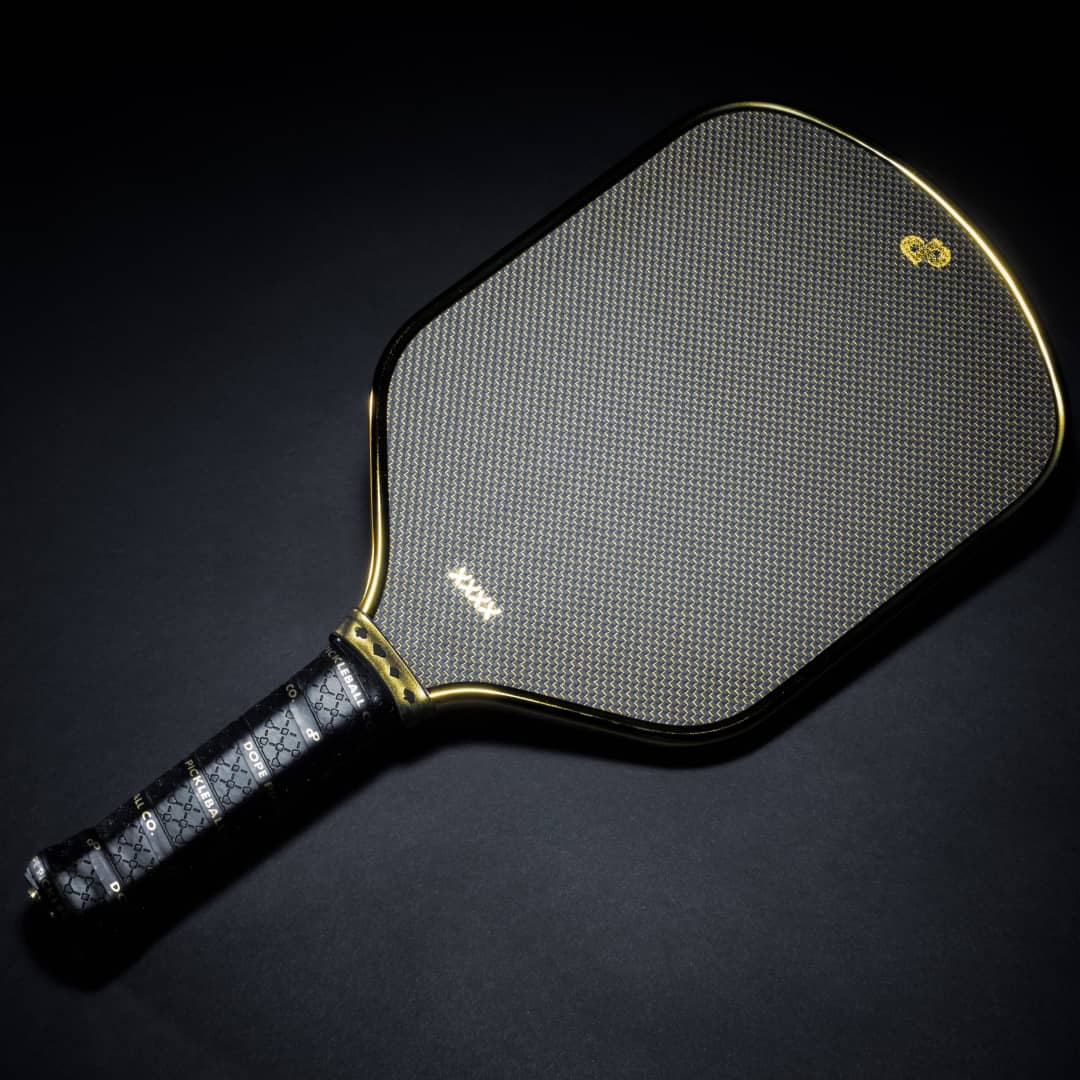
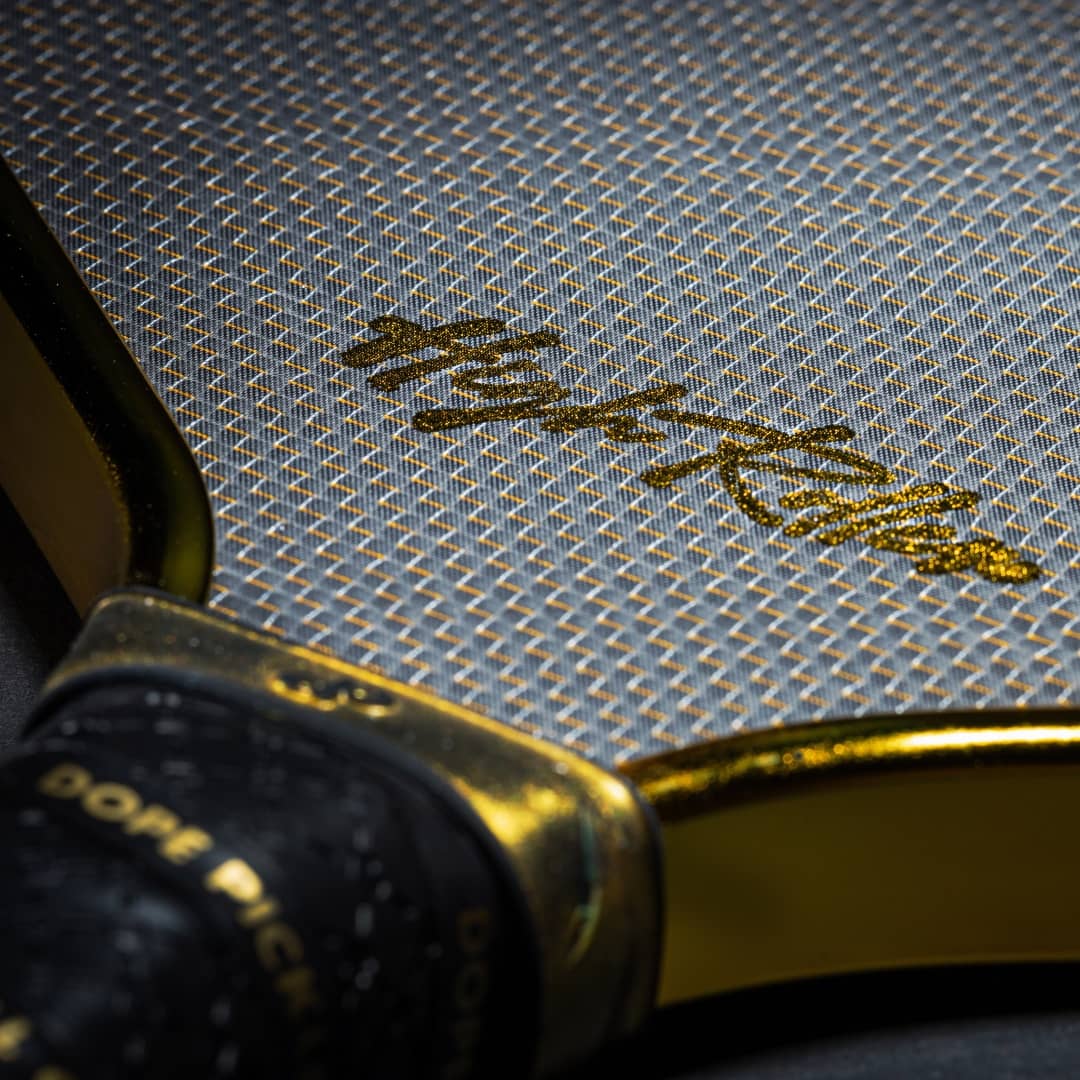
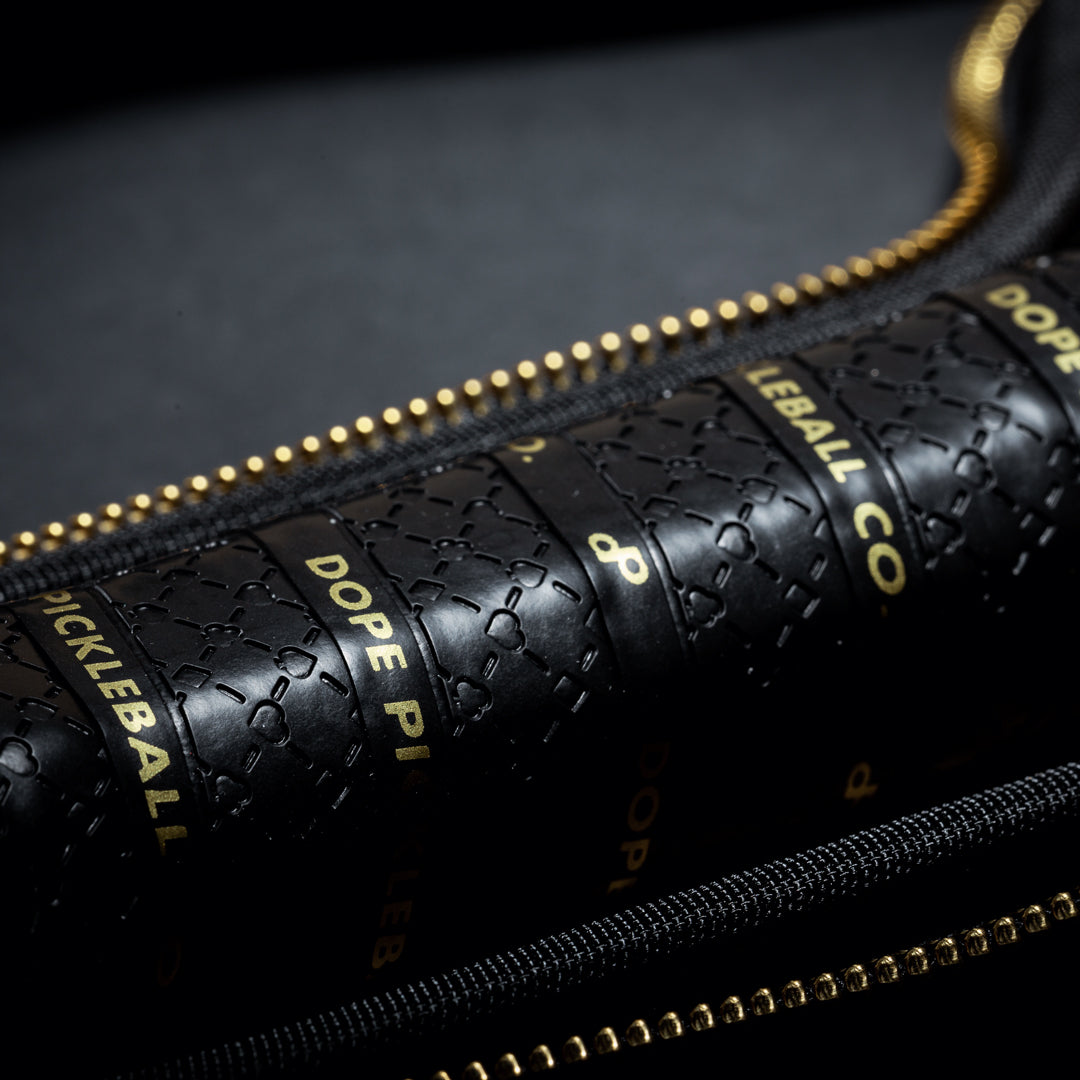
The active High Roller chrome-gold pickleball paddle makes the brand position visible. Its current listing describes a chrome electroplated metallic edge, pressed gold foil, custom grip, metal coin end cap, and NFC authenticity feature. Those are seller-provided product details that shoppers should verify on the live page.
The reflective edge is an ornamental signature. It should not be converted into an unsupported promise of power, control, spin, durability, or player improvement. The High Roller paddle is not USA Pickleball approved. It belongs in recreational and unsanctioned play where the venue and organizer permit it, not in a sanctioned bracket that requires a currently approved paddle.
Glitter Expanded the Visual Vocabulary
The active pink glitter outdoor pickleballs translate the design idea into another object: a clear shell, visible pink treatment, and a product that looks different before the first rally. Pink, yellow, mixed, and gold listings now let recreational groups choose a color that works against their particular court and background.
Glitter, color, hole count, and an outdoor label do not establish sanctioned approval. Players entering governed competition should search the exact model on the current official ball list and follow the event's selected-ball instructions. Recreational groups should check venue permission, visibility for every player, and ball condition.
A Collection, Not a Performance Hierarchy
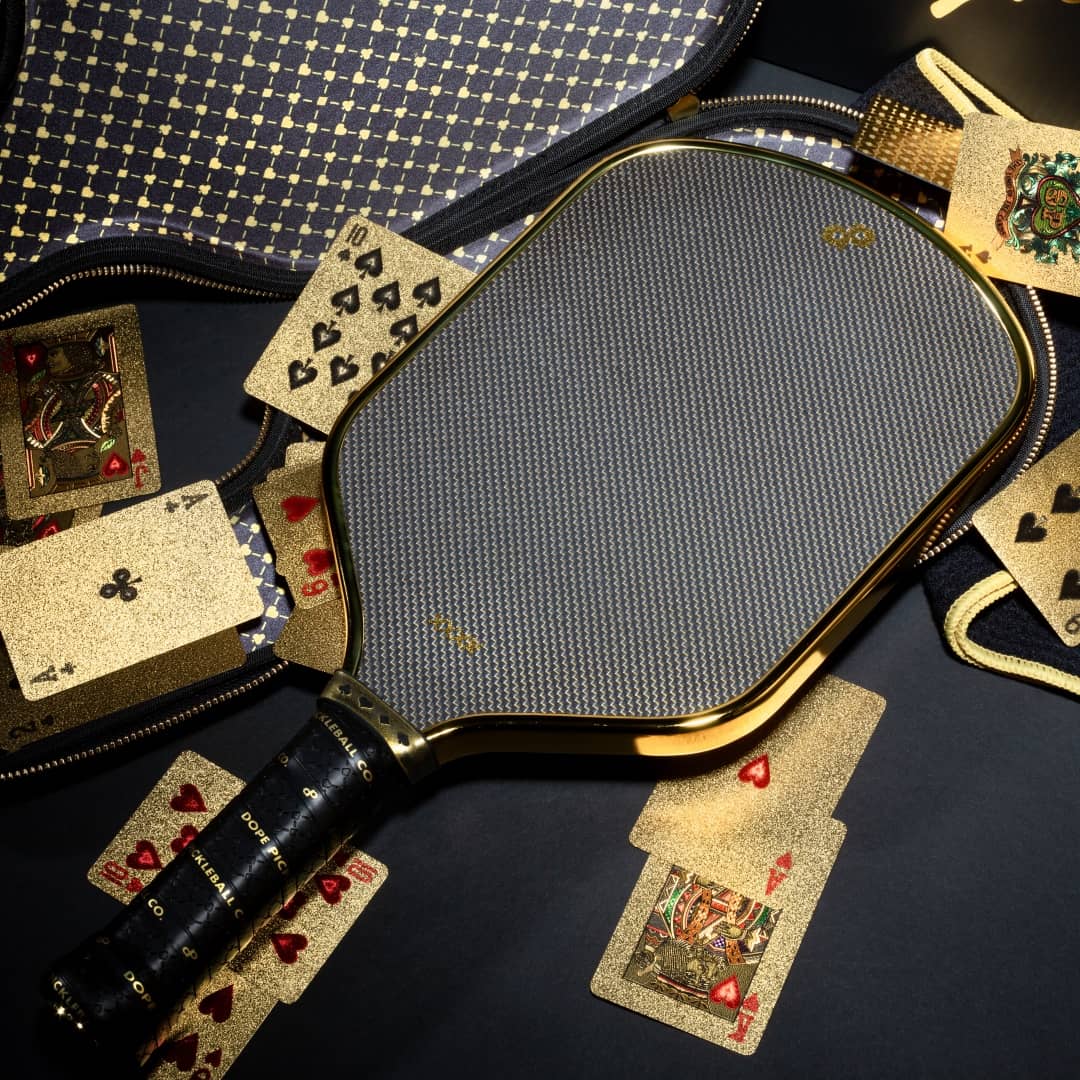
The current High Roller catalog uses black and gold across the paddle, fitted case, lounge shirt, hats, socks, tumbler, eyewear, glitter balls, and a multi-item Club bundle. Coordination can make shopping easier for someone who already likes the palette. It does not mean every customer needs every piece or that a complete look improves match results.
A sensible buyer starts with routine. A player seeking a paddle should verify intended setting and dimensions. Someone who already owns a compatible paddle may want the fitted case. A gift buyer may prefer a current gift card so the recipient controls size and equipment choice. A style-first player may begin with a hat or shirt and never need the whole collection.
Public Recognition Is Part of the Record
Independent Forbes coverage of the Michelob ULTRA Super Bowl campaign documented the distinctive paddles used in the commercial. That coverage supports a public campaign milestone. It does not mean Michelob ULTRA approved every DOPE product claim, that an athlete endorsed the retail paddle, or that placement proves performance.
The distinction matters because credible brand history uses outside evidence for what it can support and stops there. Recognition can validate that a design was seen; it cannot validate tournament approval, quality across every unit, or a buyer's personal experience.
Why Exact Photography Is an Origin Principle
A visually driven brand has a heightened obligation to show the real object. The product photos in this article come directly from DOPE's Shopify catalog. They preserve the actual edge, face, logo placement, glitter treatment, colors, and proportions captured for the listing.
Generated product renders can quietly change a logo, edge thickness, grip, finish, or ball pattern. That would undermine the very design story the page is trying to tell. Editorial art may illustrate a non-product concept, but a visible retail product should remain exact unless a clearly labeled concept or future design is the subject.
The Origin Standard: Style With Boundaries
DOPE can say what a verified image shows: reflective gold, black contrast, glitter, a shaped case, a logo, a stitch detail, or a coordinated palette. It can repeat a current listing's construction description with attribution. It can explain that a product is designed for recreational use. It should not manufacture lab results, athlete testing, private prototype reactions, certifications, or legal status.
This standard makes product promotion more useful. A shopper sees the real item, knows which page governs current variants and availability, understands the intended setting, and can separate personal taste from regulated eligibility. The brand remains bold without asking the customer to trust an unsupported superlative.
Who the Brand Is For
DOPE is not restricted to one skill level. A beginner can care deeply about color and detail; an experienced player can want a recreational setup that differs from a sanctioned-event kit. The relevant questions are whether the product fits the actual use, whether the player likes the design, and whether the current listing and policies support the purchase.
It is also acceptable for a customer to prefer quieter equipment. “Disruptively Original” describes DOPE's creative direction, not a judgment that every player must want a statement piece. A distinct brand becomes more credible when it can describe its audience without demeaning everyone outside it.
How to Shop the Origin Story Today
- Choose the real setting: recreational, unsanctioned, league, or sanctioned.
- Open the current active product page and inspect every verified image.
- Read current variants, construction language, availability, shipping, and returns.
- Verify exact-model approval independently when an event requires it.
- Measure for fit instead of assuming that a case or apparel item is universal.
- Buy the pieces that serve the routine; coordination is optional.
- Recheck the live page at checkout rather than relying on a dated article price.
The DOPE Pickleball Origin in One Sentence
DOPE Pickleball's public origin is the decision to make visual identity a legitimate part of recreational pickleball gear, show the resulting products exactly, and describe their limits as clearly as their style.
Frequently Asked Questions
What is the idea behind DOPE Pickleball?
DOPE Pickleball is a design-first brand built around recognizable recreational gear, exact product presentation, coordinated visual systems, and clear separation between style and regulated equipment eligibility.
Was the High Roller paddle used in a Super Bowl campaign?
Independent Forbes coverage documented distinctive DOPE paddles in the Michelob ULTRA Super Bowl LIX campaign. Placement does not establish endorsement, performance, or tournament approval.
Is the High Roller paddle USA Pickleball approved?
No. The High Roller paddle is not USA Pickleball approved. Use it for recreational or unsanctioned play only where the venue and organizer permit it.
Are DOPE glitter pickleballs sanctioned-event approved?
Do not infer approval from color, glitter, size, or hole count. Search the exact model on the current official approved-ball list and follow the event's selected-ball instructions.


Share:
What Makes a Pickleball Brand Worth Following?