

A pickleball brand is worth following when it consistently gives players something useful: a clear point of view, real products shown accurately, claims that can be checked, responsive policies, and content that helps people make better decisions. A large catalog, aggressive posting schedule, athlete photo, or dramatic slogan is not enough on its own.
DOPE Pickleball's answer is design with receipts. The brand should be recognizable, but the product page, photography, approval boundary, and customer policy must remain more important than the hype around them.
1. The Brand Has a Specific Point of View
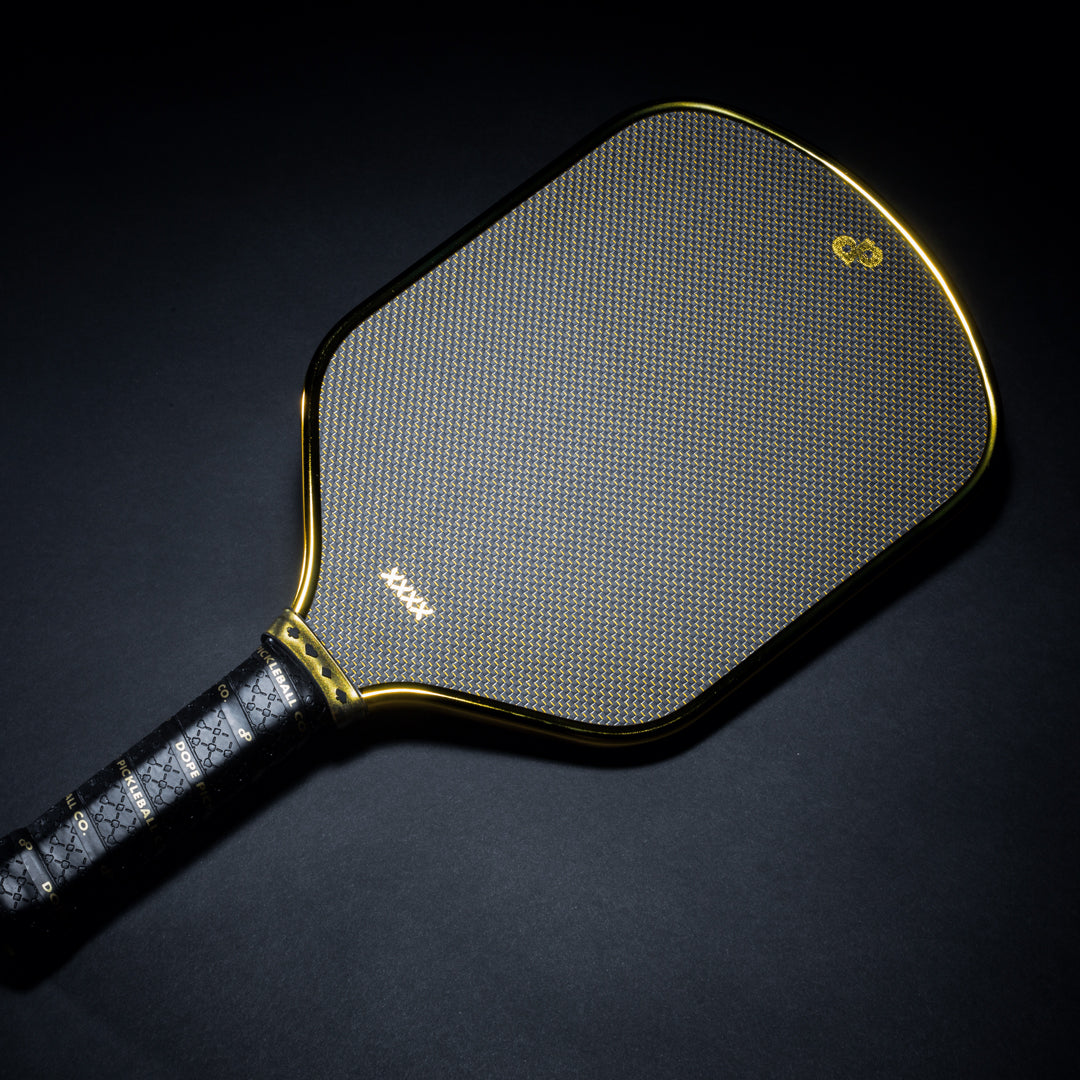
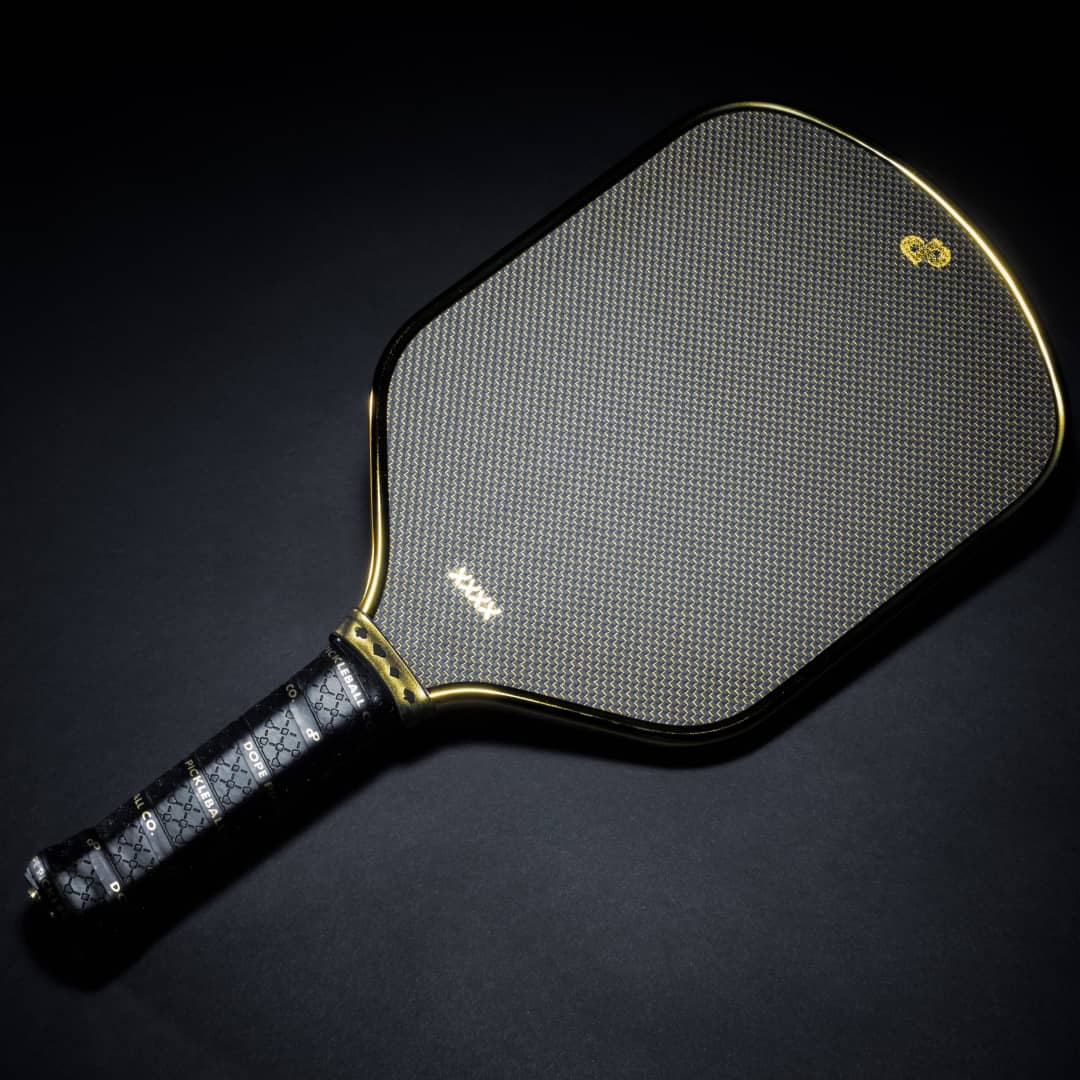
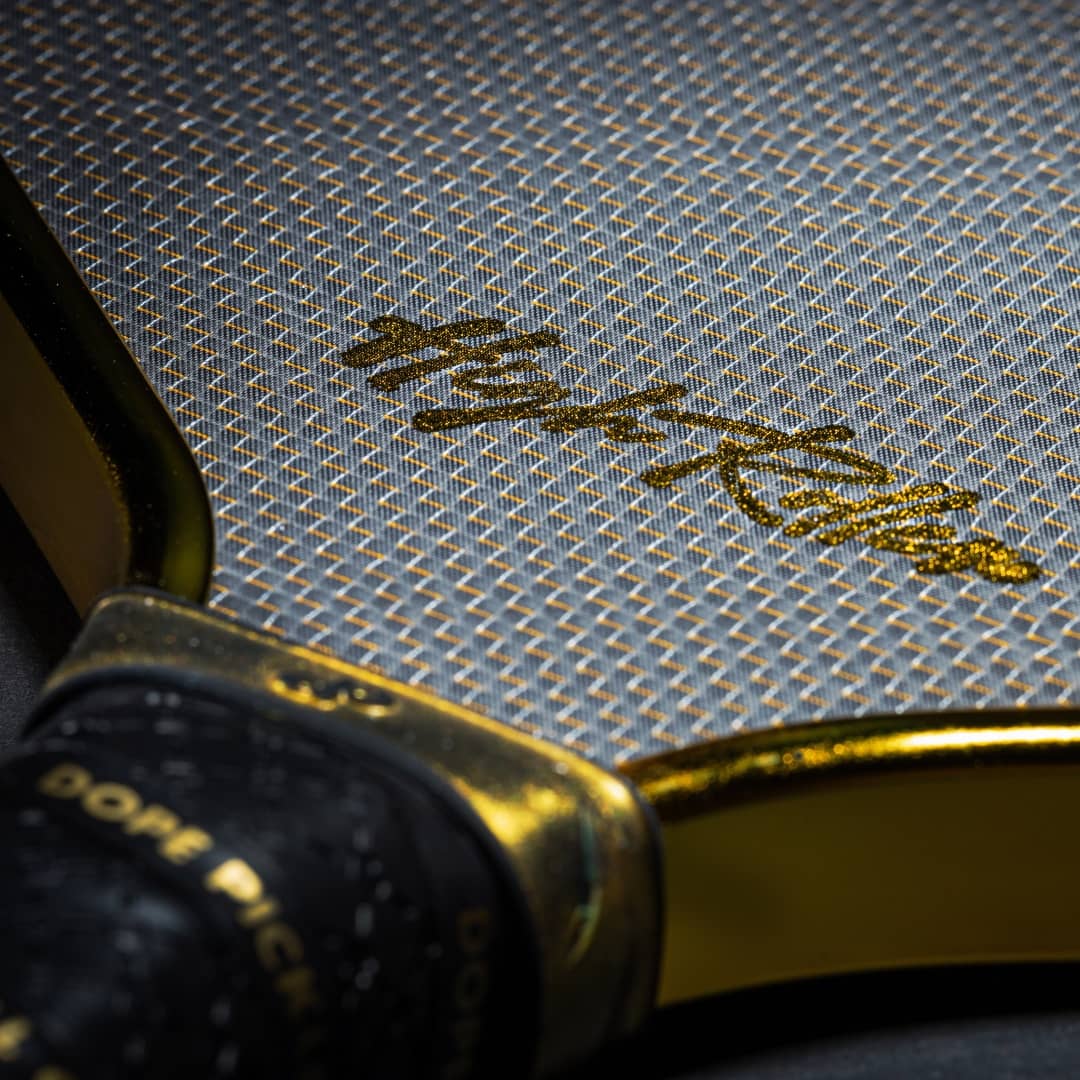
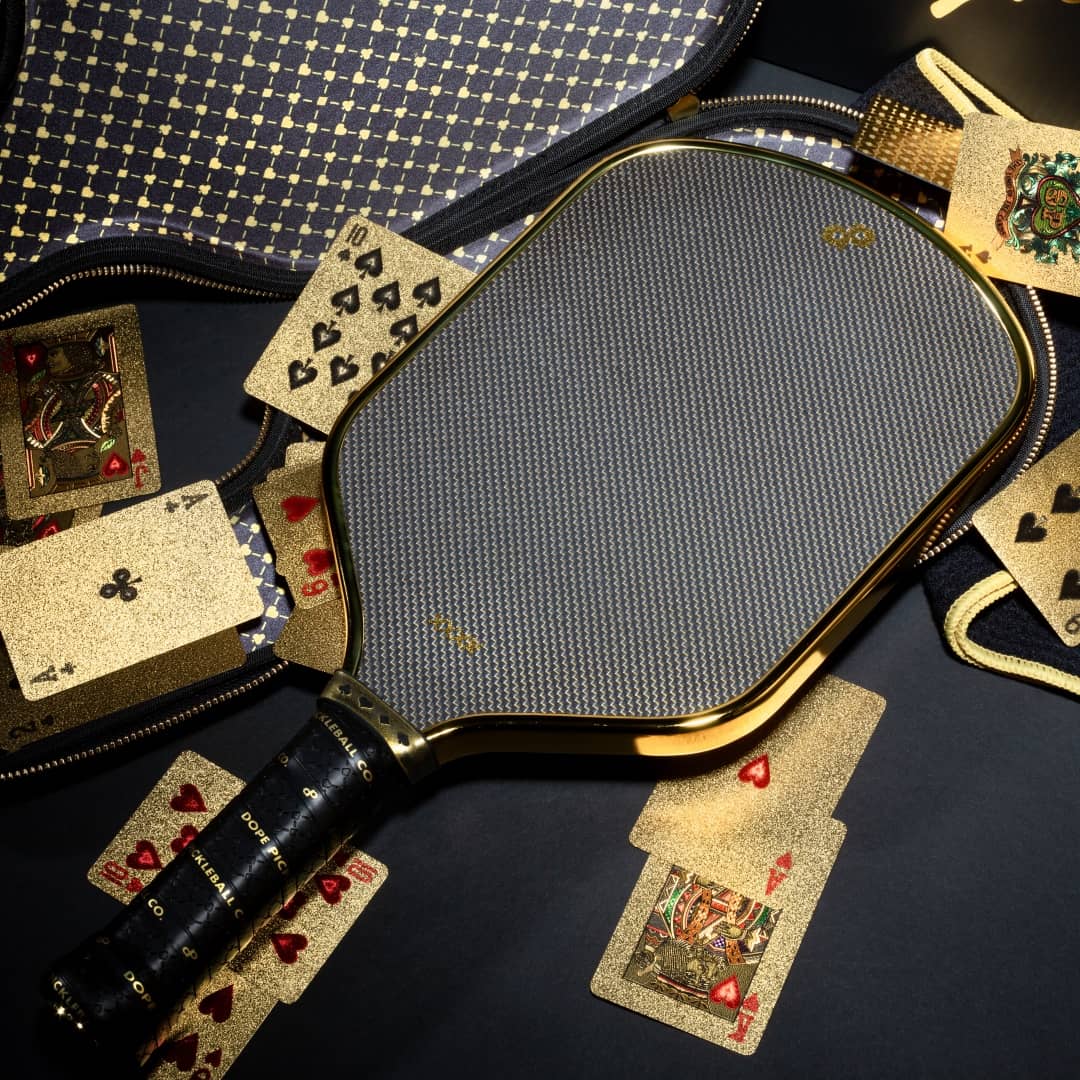
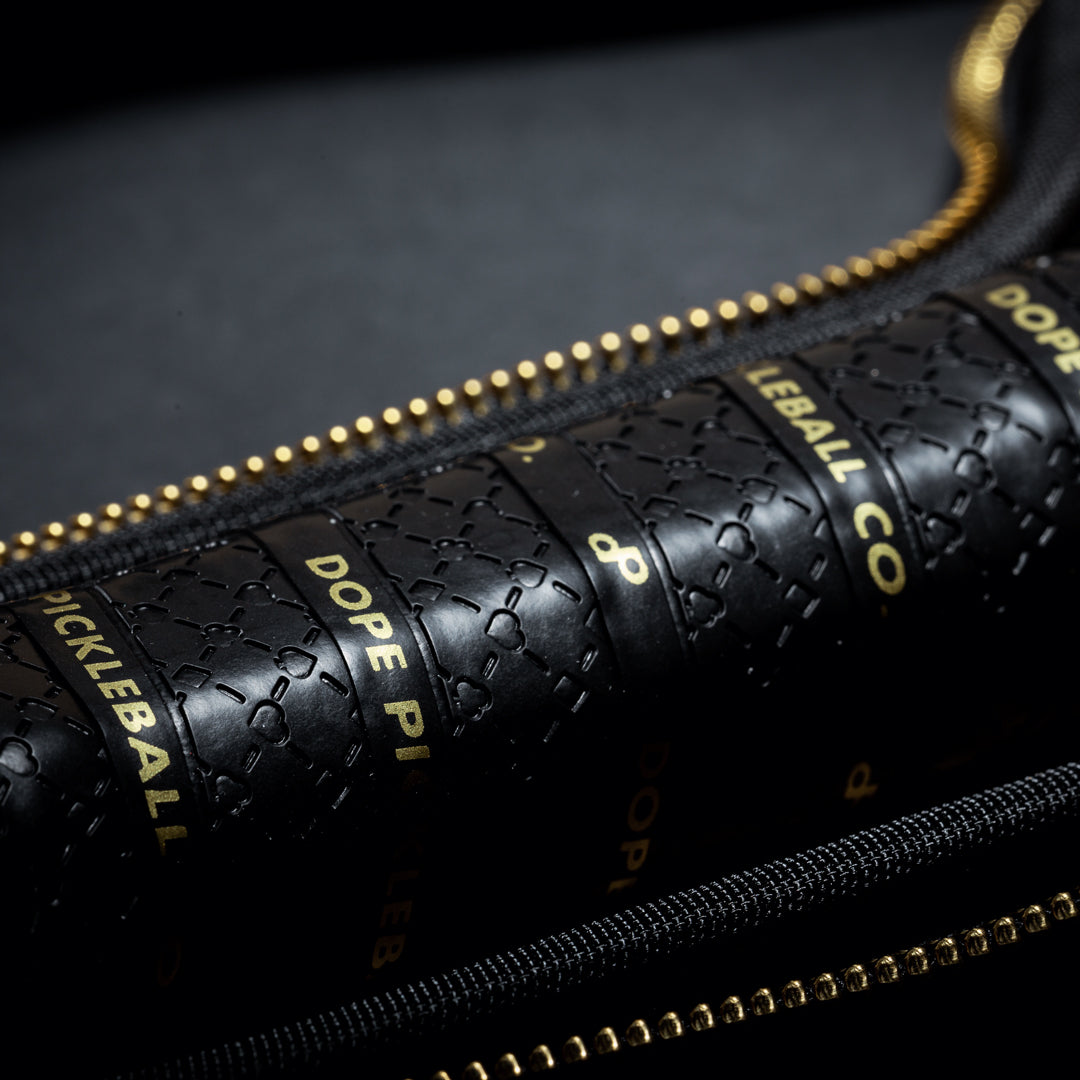
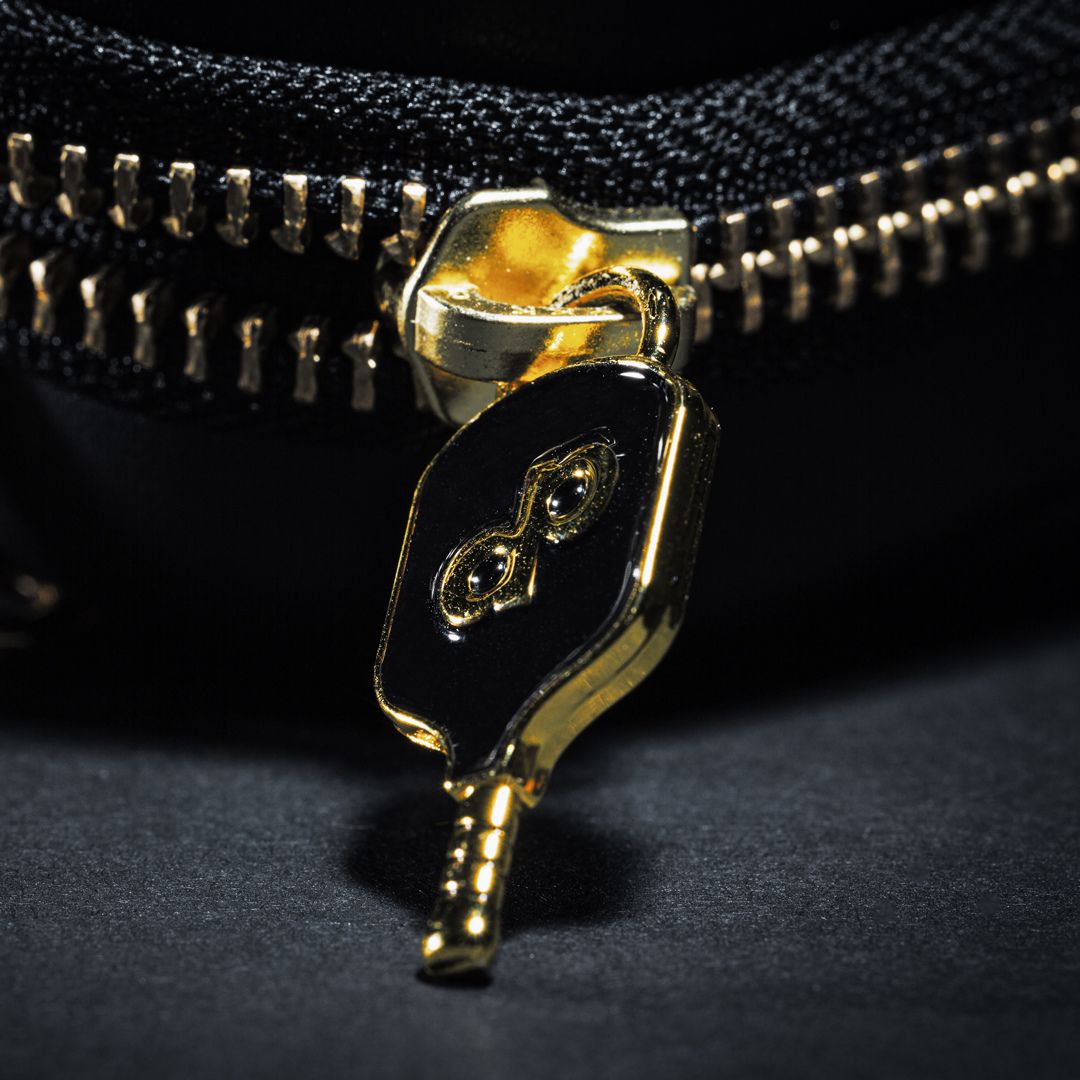
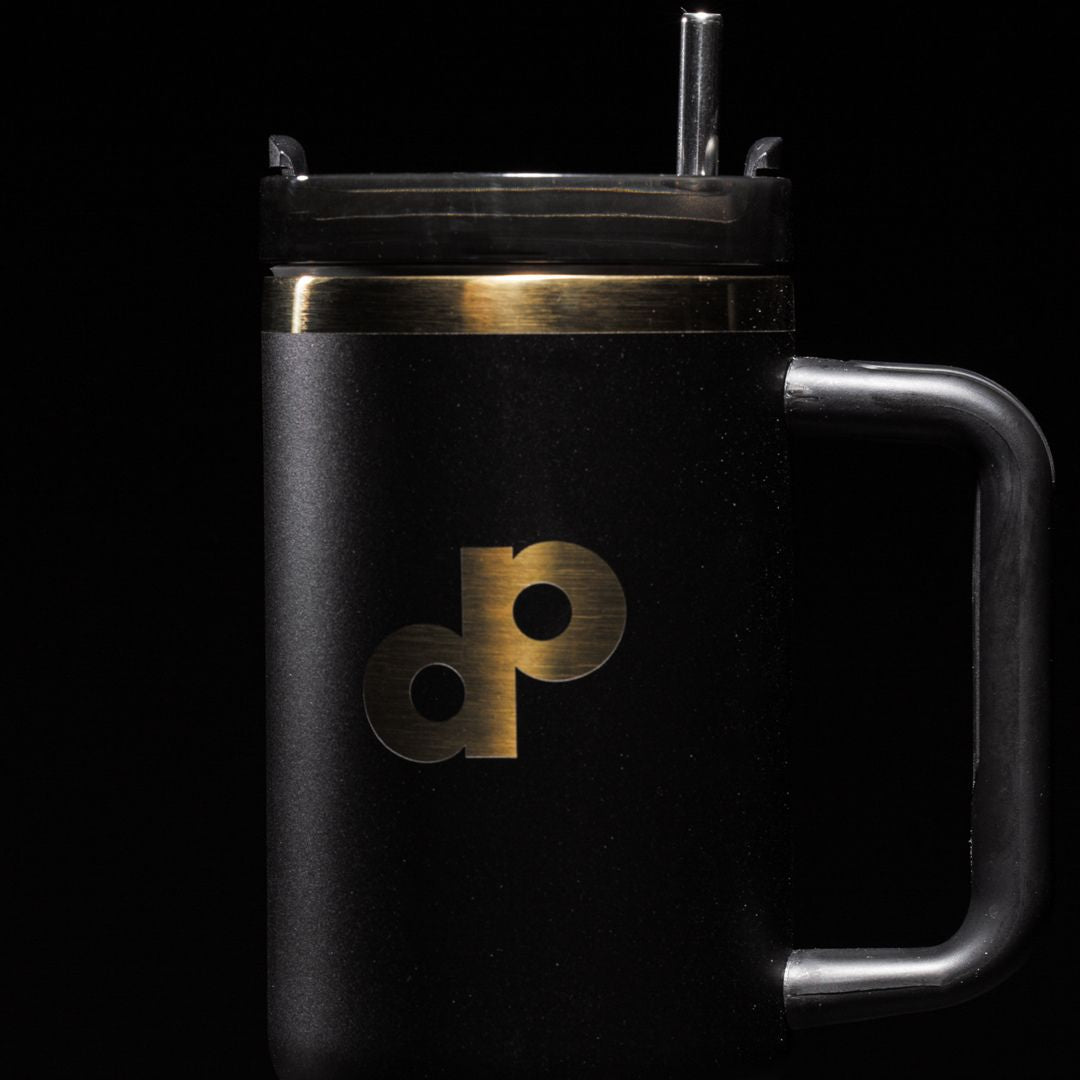
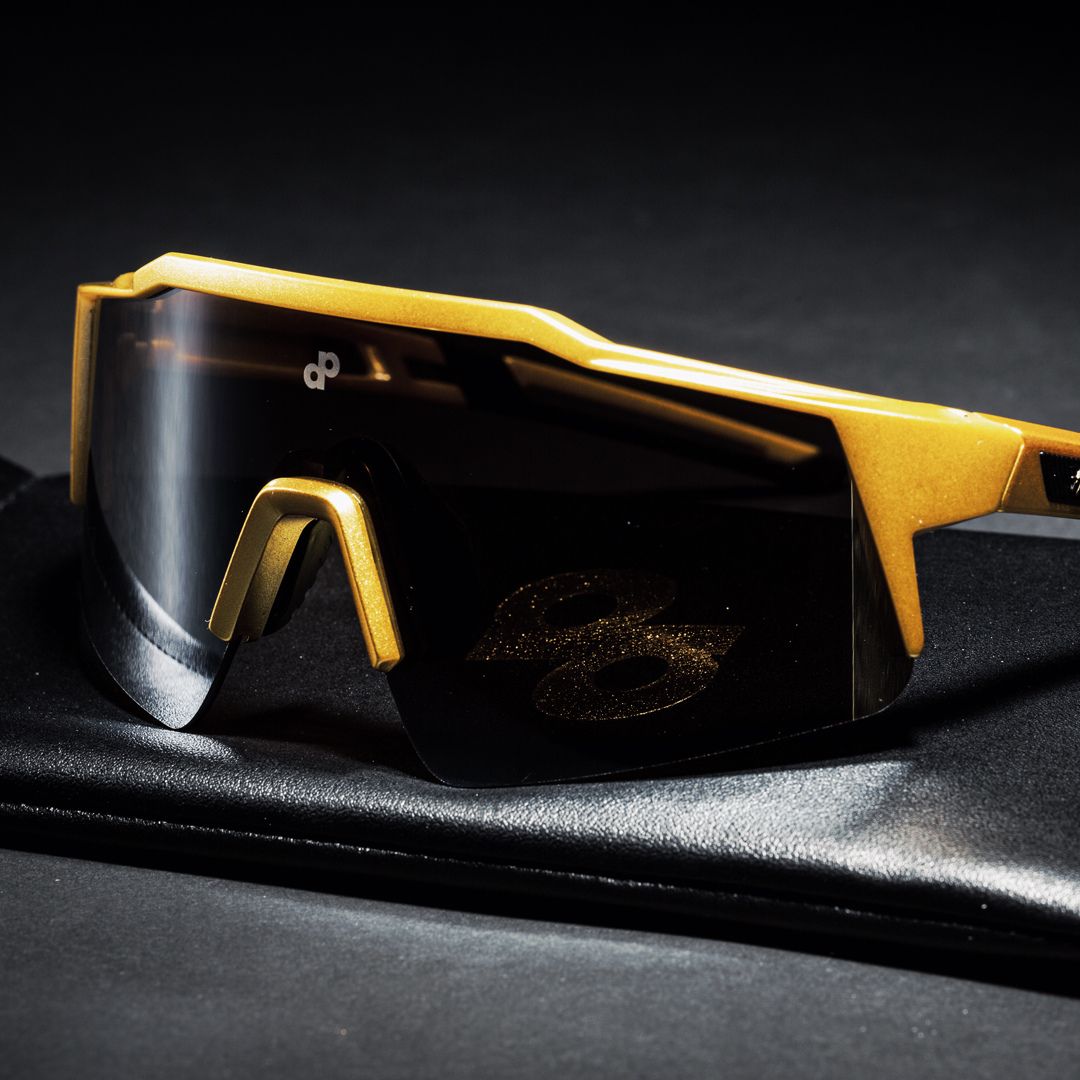
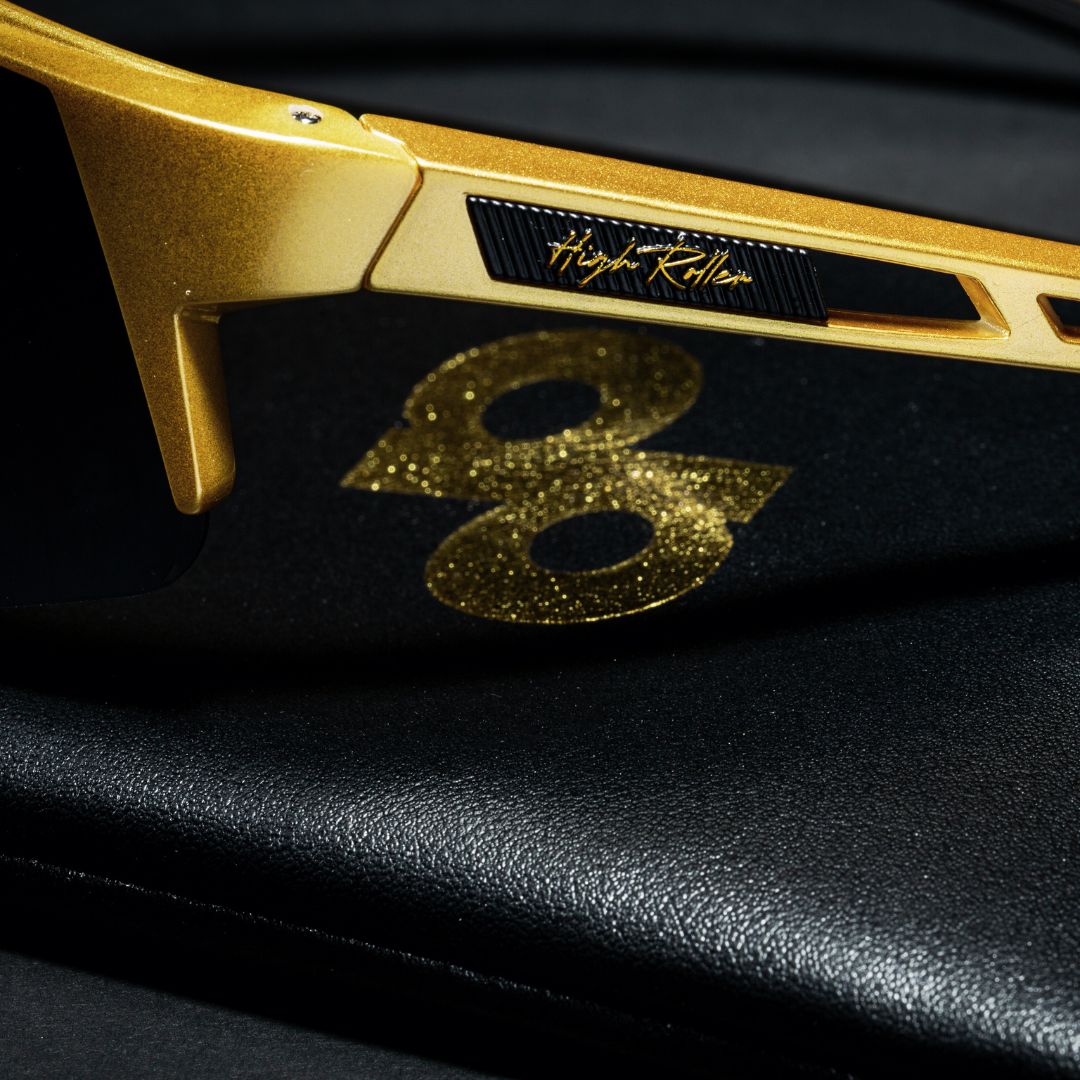
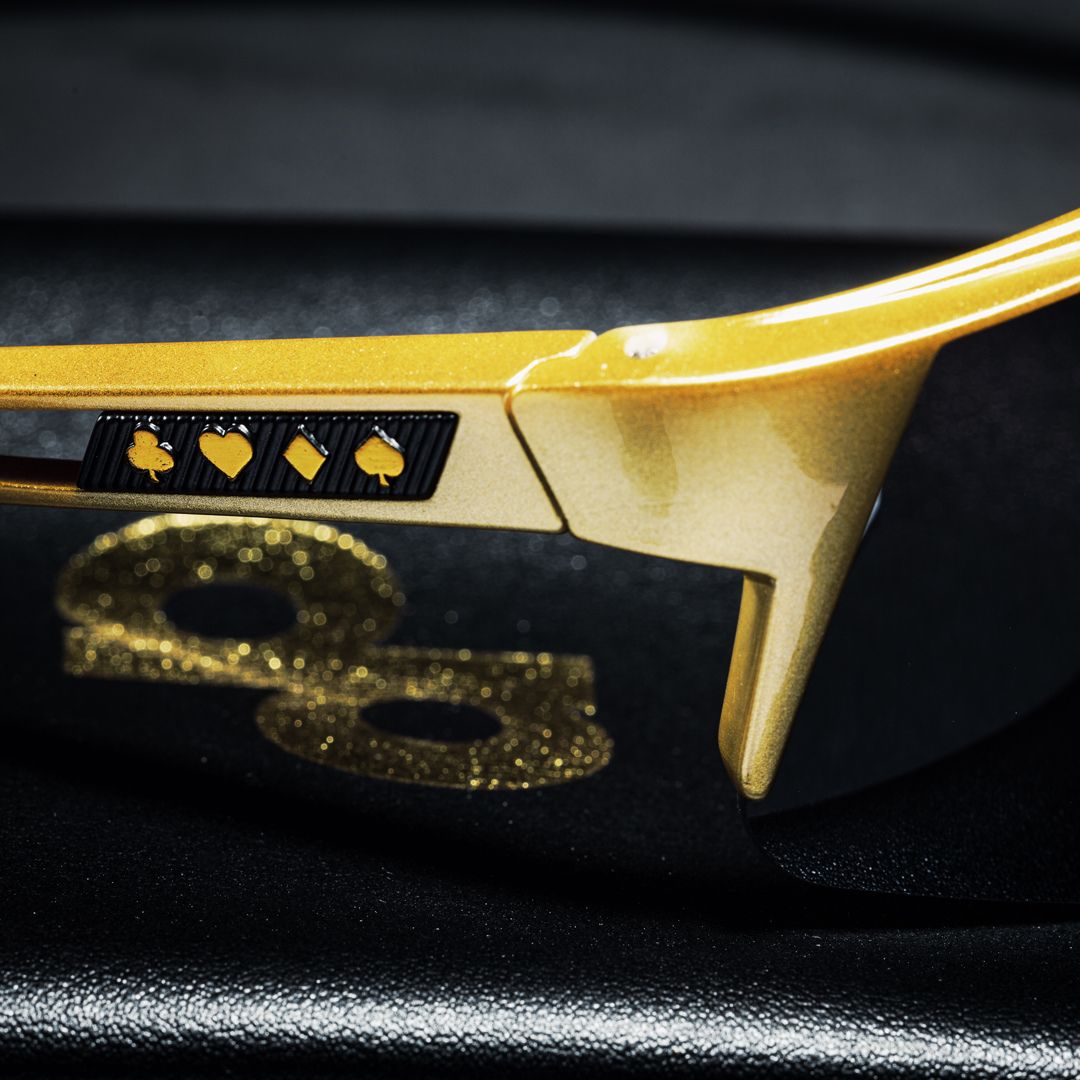
A useful brand can explain what it contributes without declaring that everyone else is bad. DOPE's position is visual: pickleball gear can use chrome, gold, black, glitter, and coordinated details to create an identity that is visible across the court and surrounding lifestyle.
That position is easy to evaluate. A shopper can inspect the current catalog and decide whether the visual language resonates. It does not require believing that a colorway improves spin or that a logo makes someone a better player.
2. The Products in the Content Actually Exist
Editorial pages should link to active products, not quietly send readers to retired or draft listings. When a historical collection is discussed, the page should label it historical and offer current alternatives without pretending the archived item can still be purchased.
Availability can change after publication, so even an active link needs a checkout-time check. A responsible article directs the reader to the live listing for current variants, price, inventory, shipping, and return terms instead of freezing those details forever.
3. Product Images Match the Real Item
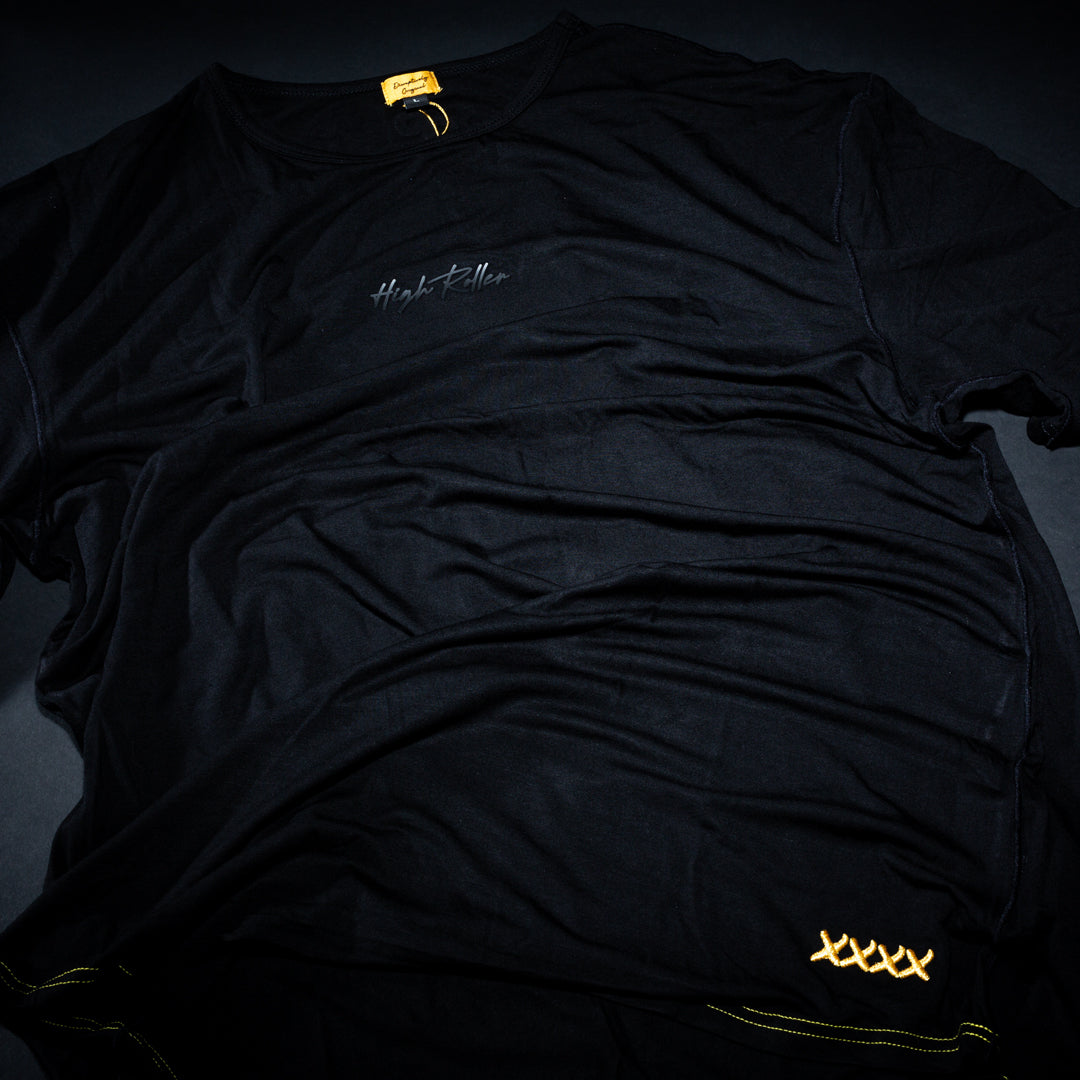
The active High Roller Lounge pickleball T-shirt is shown with an original Shopify product photograph. The image preserves the real black-and-gold treatment and the garment as it appeared in the verified listing. The live page governs sizes, construction language, availability, care, shipping, and returns.
A generated shirt could change the logo, fabric drape, stitching, color, or fit. A trustworthy brand does not use an invented “better” version to sell the actual item. If a visual is a concept, mood board, or future design, it should be labeled so the customer does not mistake it for current inventory.
4. Claims Are Proportional to the Evidence
“Black fabric with gold details” is an observable description. “Guaranteed to keep you cool and improve performance” is a testable claim that needs appropriate evidence. The same principle applies to paddles, balls, eyewear, drinkware, and accessories.
Brands should distinguish their own listing statements from independent proof, and both from opinion. A product page can document the materials or features the seller represents. An official equipment database controls sanctioned approval. A customer preference remains personal experience.
5. The Brand Makes Limitations Easy to Find
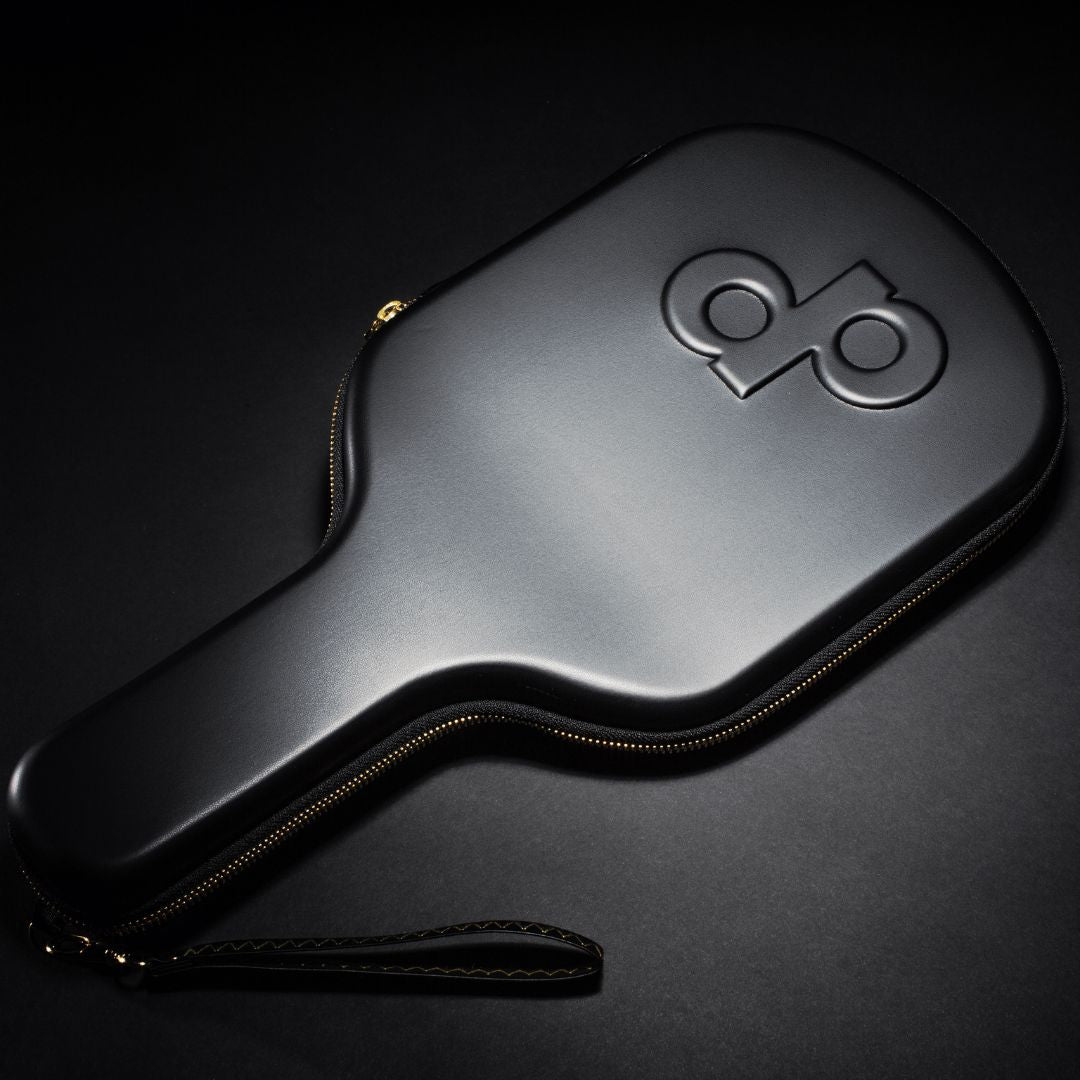
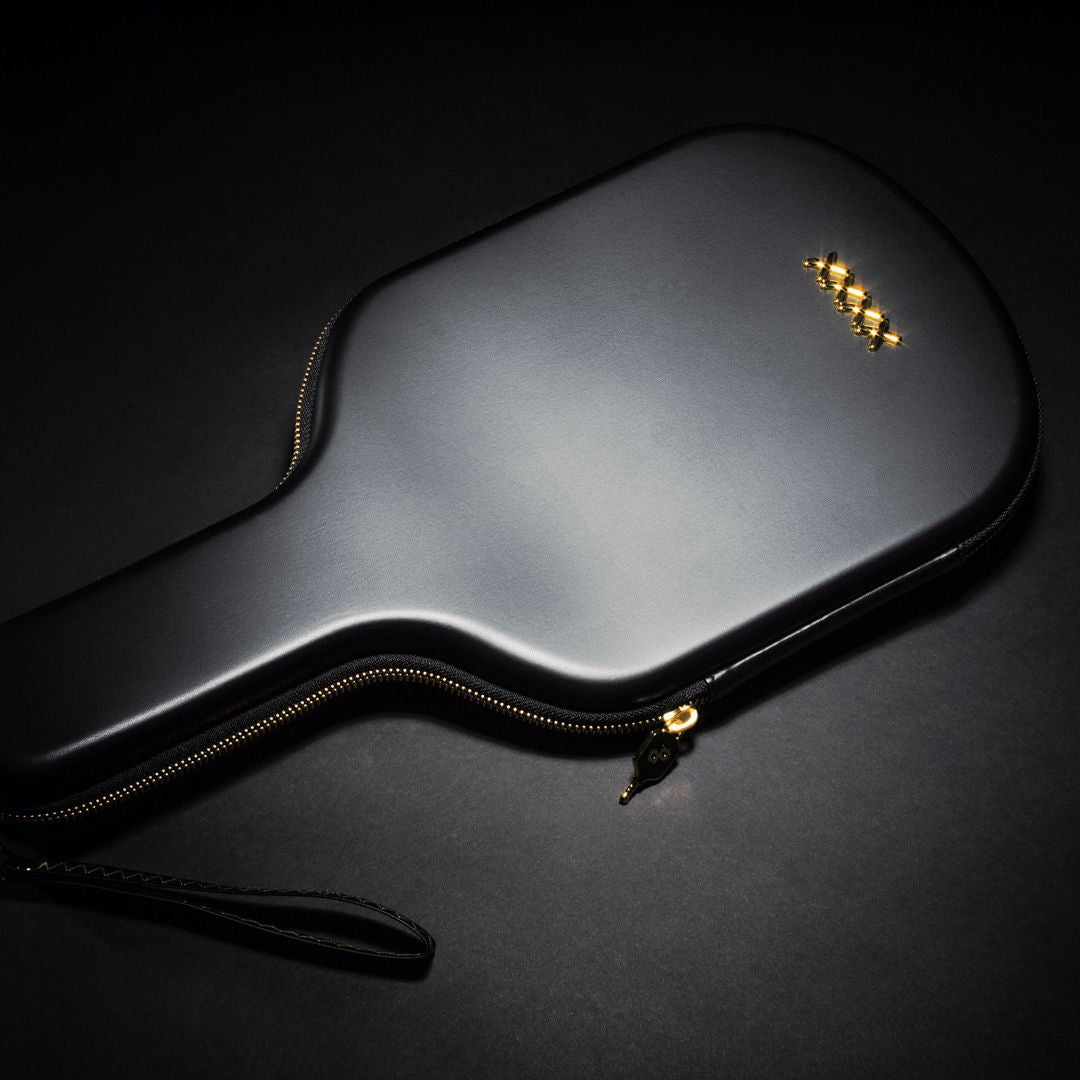
A limitation should appear near the relevant recommendation, not hidden behind an unrelated policy link. If a paddle is not approved for a governed competition, say so. If a fitted case is made around one paddle, ask the shopper to measure another model. If eyewear lacks a documented impact rating, do not imply protective certification.
This is not negative marketing. It helps the right customer buy the right item and reduces disappointment for someone whose use case requires something else.
6. The Brand Keeps Editorial Useful
A product mention belongs when it supports the reader's decision. A rules guide should answer the rule first. A gift guide should handle fit, exchangeability, approval, and recipient preference. A training article should teach a repeatable process rather than claiming that a purchase produces improvement.
Useful content also cites current primary sources for rules, ratings, health guidance, events, construction, and equipment approval. Search keywords should help the right reader discover the page, not force repetitive phrases into every paragraph.
7. Style Extends Across More Than One Object
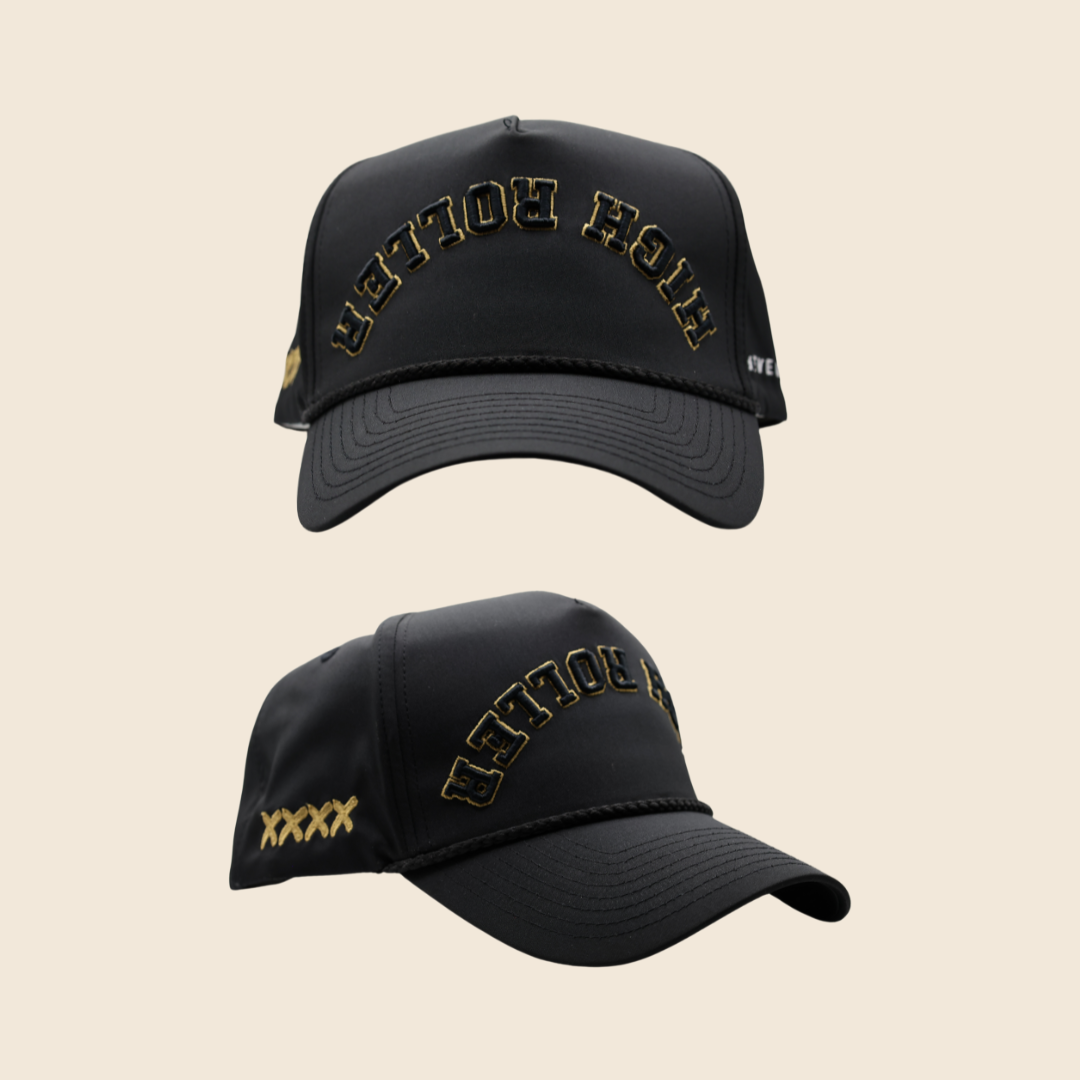
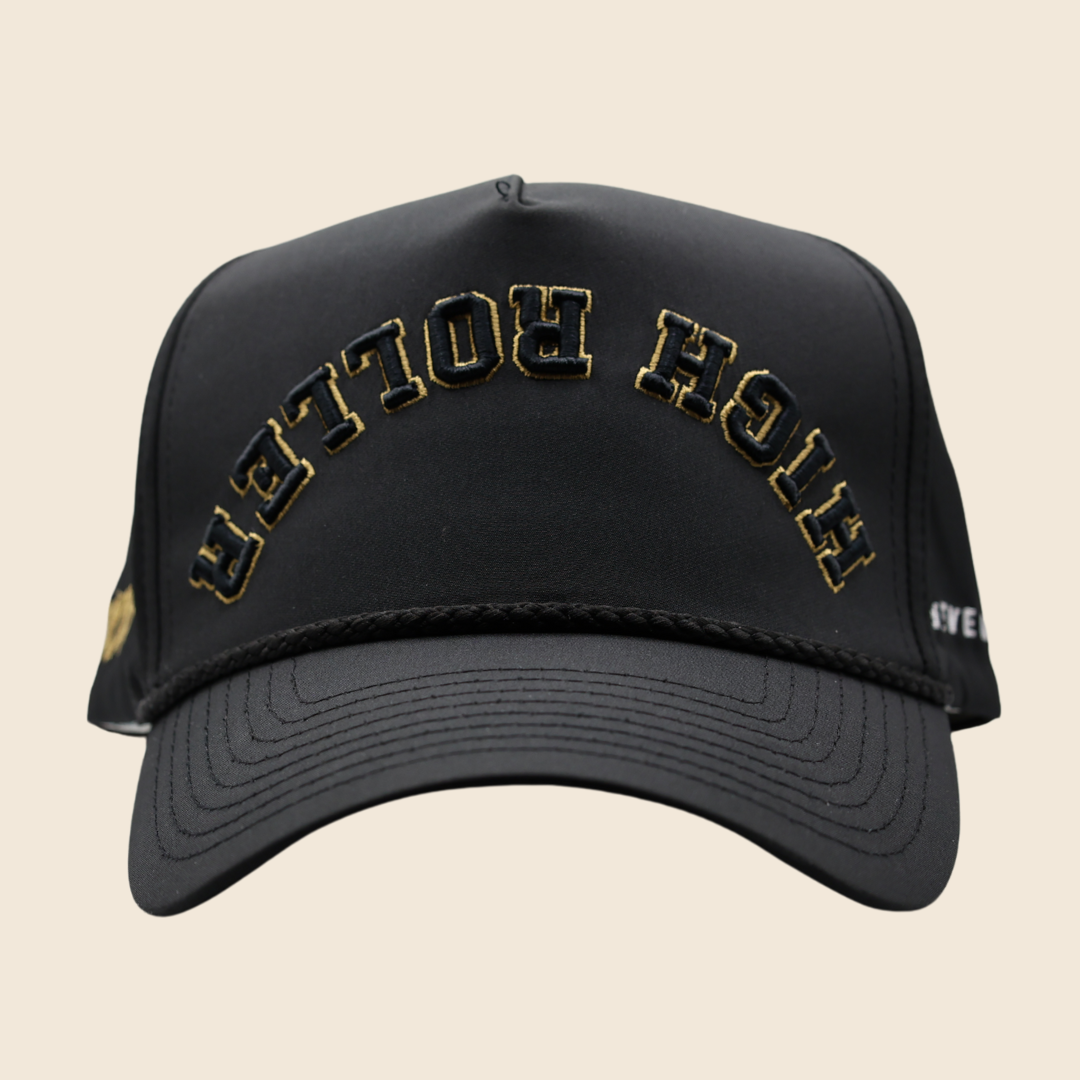
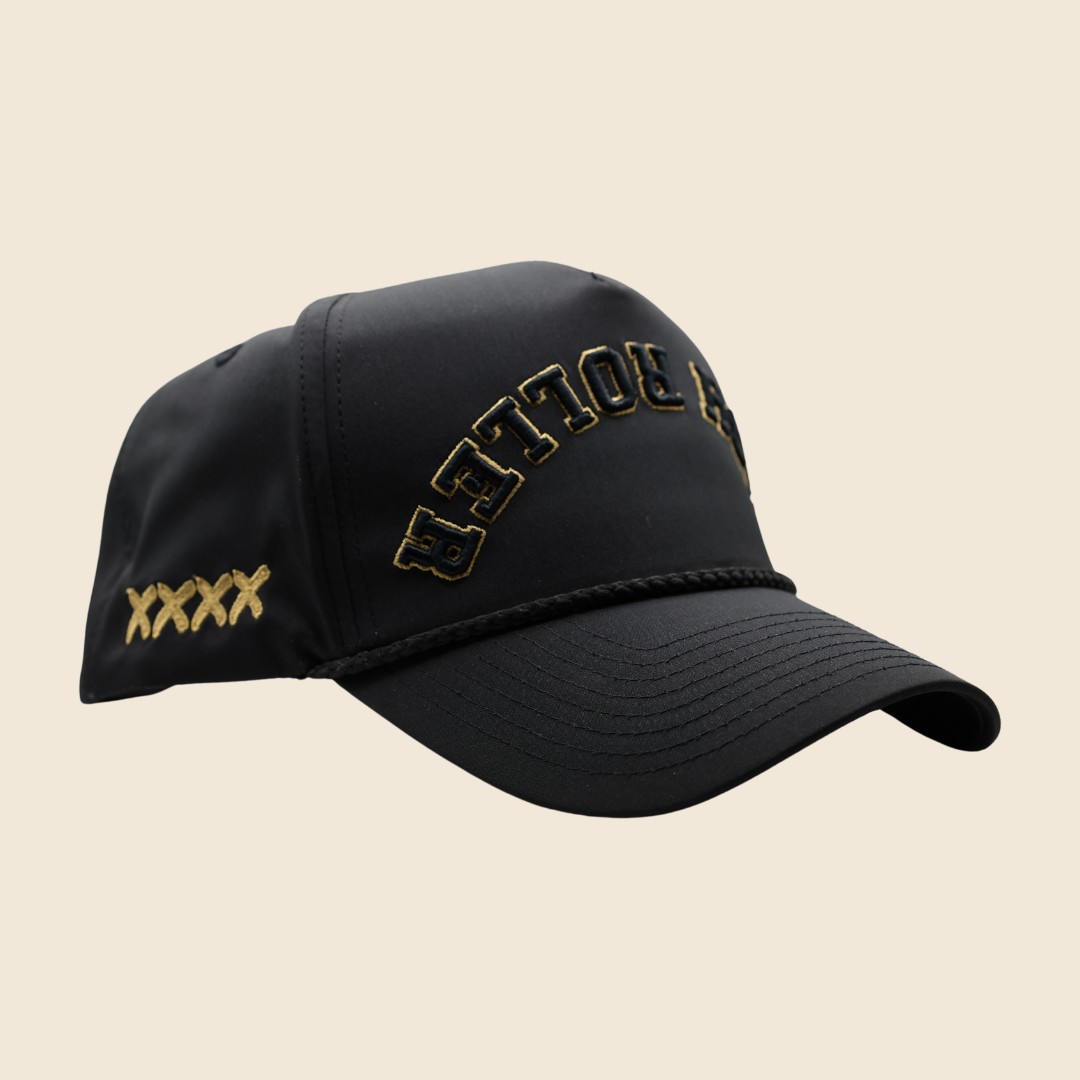
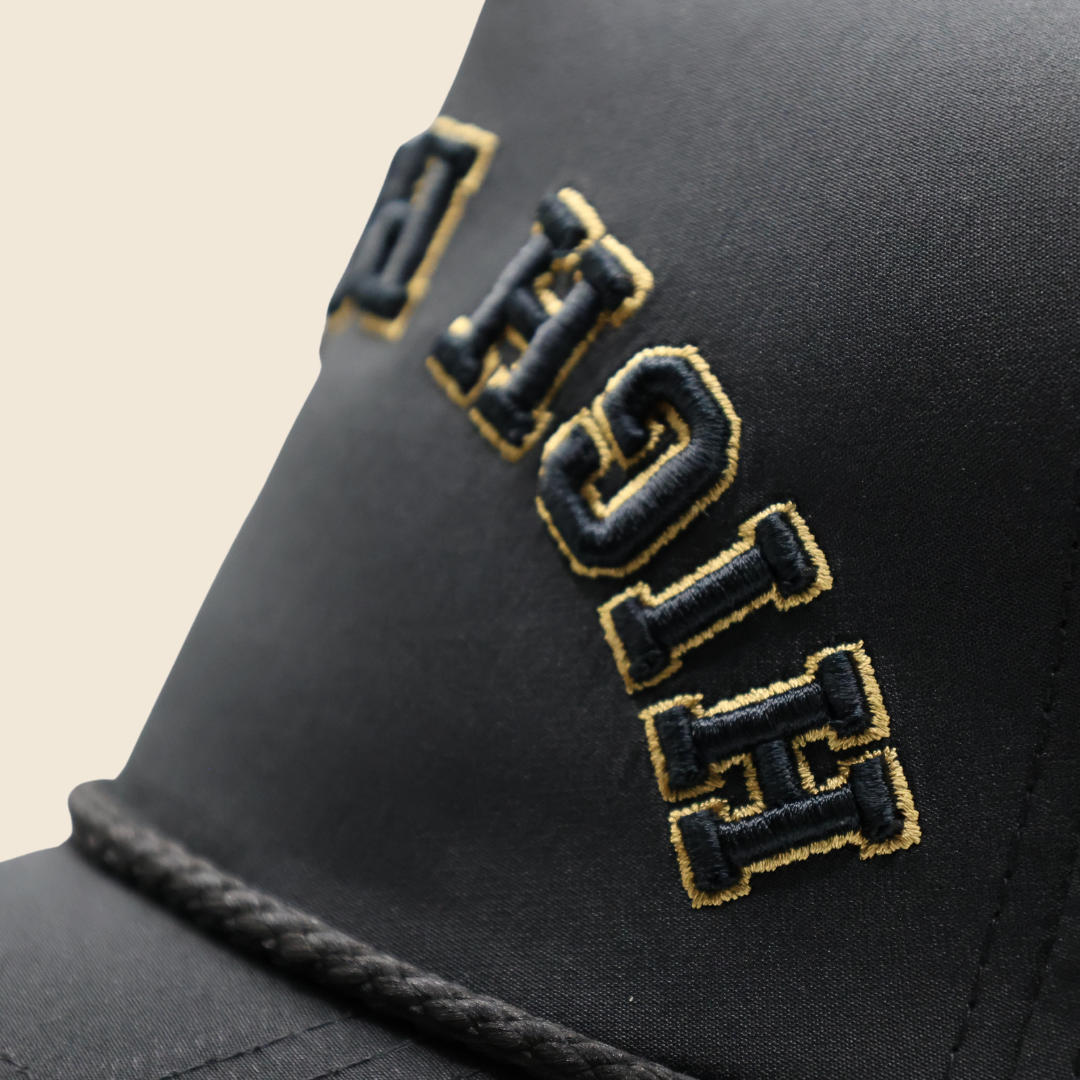
The active black DOPE x Reversed performance hat demonstrates how a brand code can move from a shirt or paddle into headwear. The gold lettering against a black crown connects to the broader High Roller palette while still working as a standalone item.
Coordination should create options, not pressure. A shopper may choose one hat, build a black-and-gold outfit, or ignore the collection system entirely. A brand earns attention by making the choices legible rather than suggesting that belonging requires buying everything.
8. Policies Are Part of the Product
Before buying, check shipping, returns, exchanges, final-sale categories, gift-card terms, and contact information on the current store. Save the confirmation and the policy that governed the order. A social caption is not the return policy, and an old blog price is not the checkout total.
When public pages conflict, ask the retailer before ordering. A credible brand should correct material errors rather than forcing customers to guess which promise applies.
9. Sponsorship and Press Are Disclosed Accurately
Product placement, paid endorsement, gifted product, athlete sponsorship, editorial coverage, and organic customer use are different relationships. A brand should not imply one when the evidence establishes another. Material connections should be disclosed clearly under current advertising guidance.
Likewise, “as seen in” should link to the underlying coverage and state what appeared. A campaign appearance can be meaningful recognition without proving product performance, approval, or universal preference.
10. The Brand Updates Its Own Record
Products move from draft to active, sell out, change variants, or leave the catalog. Event calendars shift. Governing lists and rulebooks update. A brand worth following revisits old content, labels dated facts, repairs dead links, and does not keep selling an expired claim because it still ranks in search.
DOPE's current editorial rebuild applies that principle across its blog library: preserve useful handles, replace thin or inaccurate copy, use exact active-product photography, protect existing scheduled drafts, and verify the final Shopify output after every write.
A Five-Minute Pickleball Brand Audit
- Open a featured product and confirm that the article image matches the listing.
- Check whether the product is active and whether variants are selectable.
- Separate observable details from performance or health claims.
- Verify tournament approval on the official exact-model list.
- Read the current shipping and return policy.
- Check whether sponsorship, gifting, or placement is disclosed.
- Look for a publication or review date on time-sensitive advice.
- See whether the content answers a real question before promoting a product.
Why Follow DOPE Pickleball?
Follow DOPE for a specific visual world and for the decisions behind it: chrome and glitter without fake performance math, exact product images instead of approximations, active-catalog recommendations, honest sanctioned-play boundaries, and long-form pickleball guidance designed to remain useful after the first click.
The standard is not perfection by declaration. It is ongoing verification. Every article, image, product link, and correction should make the brand easier to trust.
Frequently Asked Questions
What makes a pickleball brand trustworthy?
Accurate product photography, active links, proportional claims, visible limitations, current policies, clear sponsorship disclosures, primary sources, and corrections when facts change.
Why does DOPE use original Shopify product photos in articles?
Original product photos preserve the actual logo, color, finish, proportions, and details. Generated product images can misrepresent the item a customer will receive.
Does a strong pickleball brand need a full collection?
No. A collection can make a visual system clear, but a credible brand should let each item stand on its own and never suggest that customers must buy everything to belong.
How should a brand discuss equipment approval?
It should direct players to the current official exact-model list and the event instructions. Appearance, dimensions, marketing language, or another model's approval should not be substituted.


Share:
DOPE Pickleball Origin: The Design Problem We Chose to Solve