

Athlete feedback can improve a product only when the process separates observation, preference, measurement, and decision. “Players loved it” is not a development record. A useful system identifies the product version, participant context, test conditions, protocol, results, limitations, and what changed.

The current DOPE storefront record used for this rewrite does not document a named athlete panel, participant count, test protocol, or product change attributed to athlete data. This article therefore defines a rigorous feedback framework rather than claiming tests that cannot be verified.

1. Write the Question Before the Session

Every feedback round should begin with one narrow question:

  • Does the case fit the exact High Roller paddle without closure strain?
  • Can players distinguish ball colors against a specific court and background?
  • Do shirt sizes match the published size guide for the intended fit?
  • Does a hat remain comfortable through a defined session?
  • Are bundle contents and instructions understandable on arrival?

A question about “better performance” is too broad until the outcome and comparison are defined.

2. Identify the Exact Product and Version

Record product ID or handle, variant, size, color, manufacturing or revision identifier when available, date received, and condition. Feedback on one sample should not be generalized to every future version.

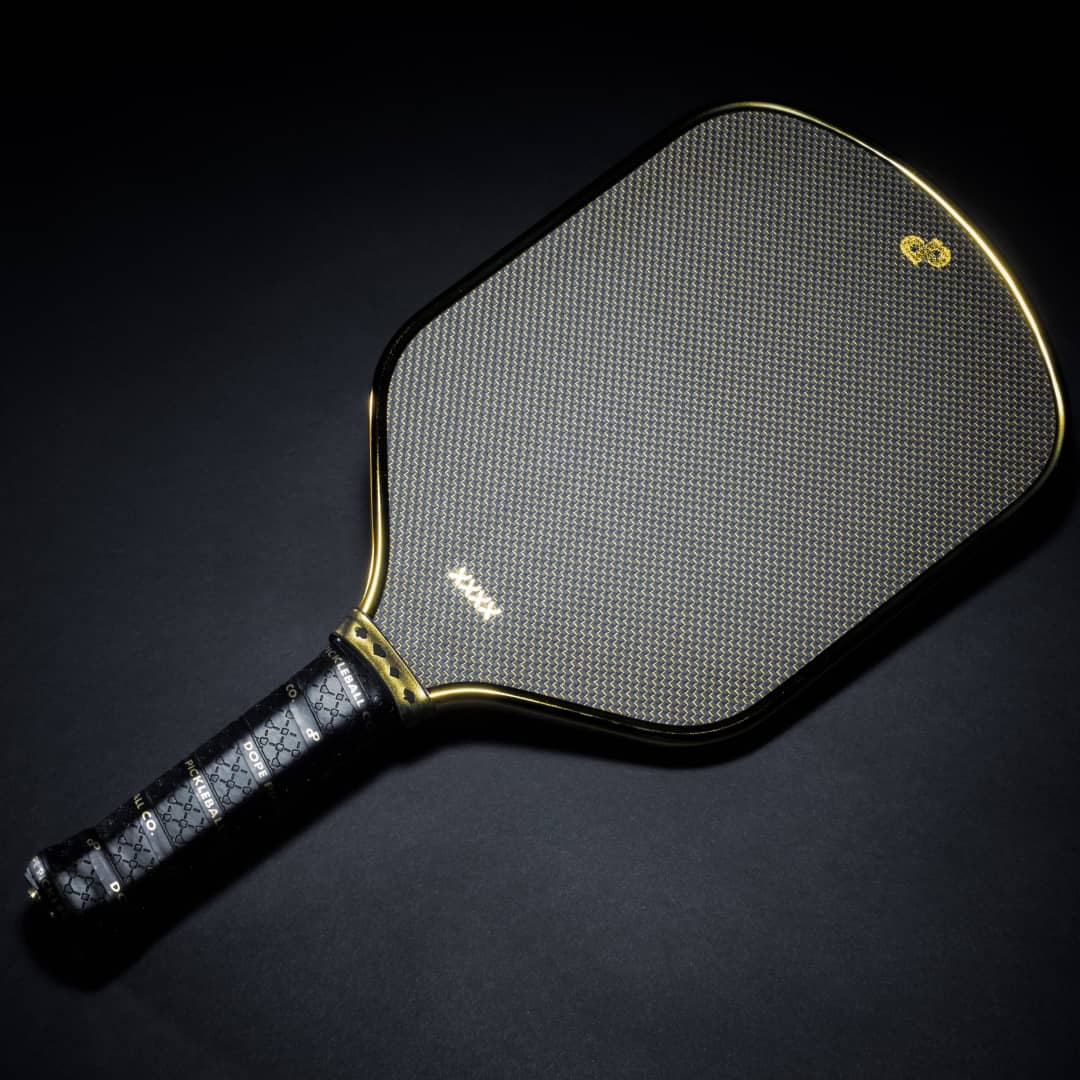
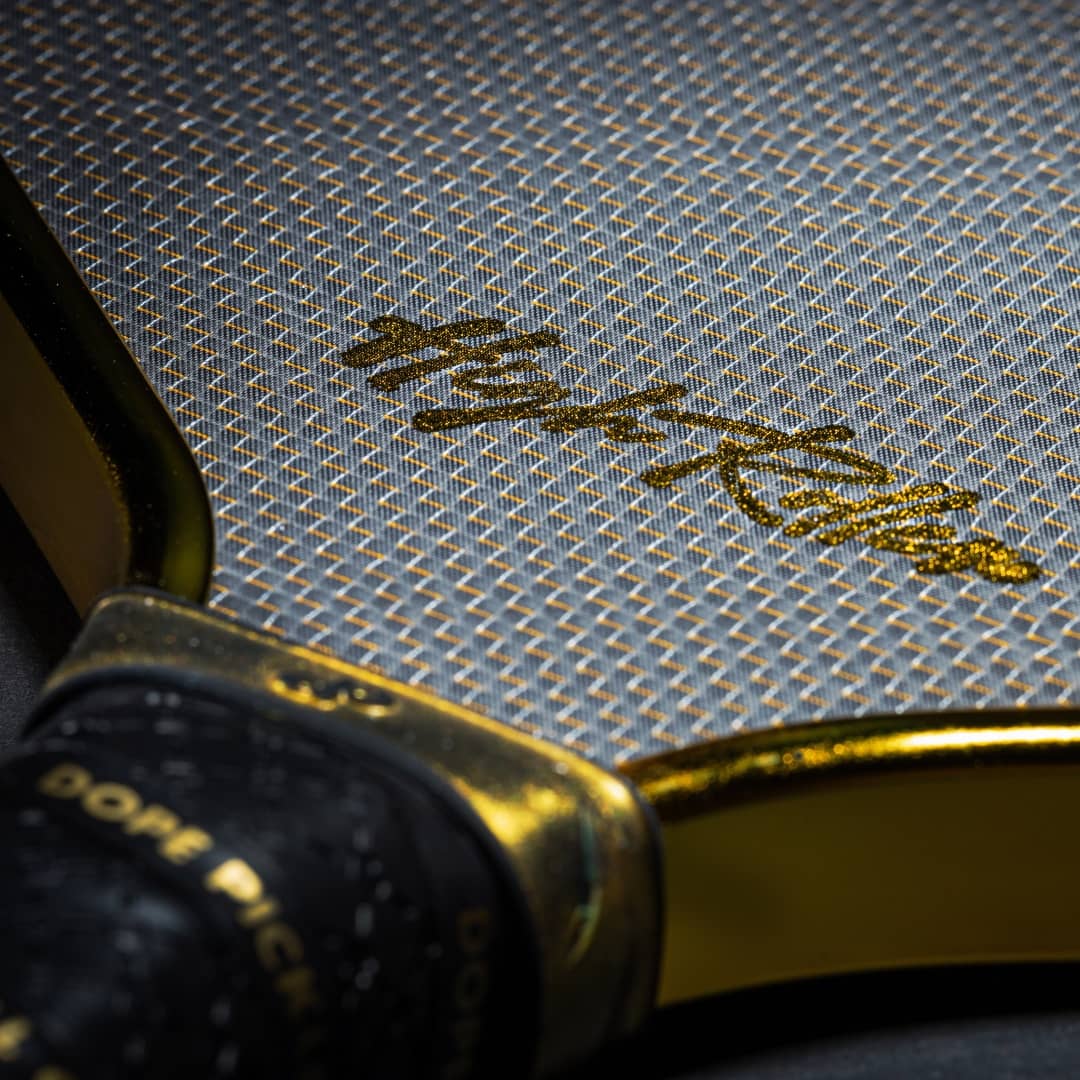
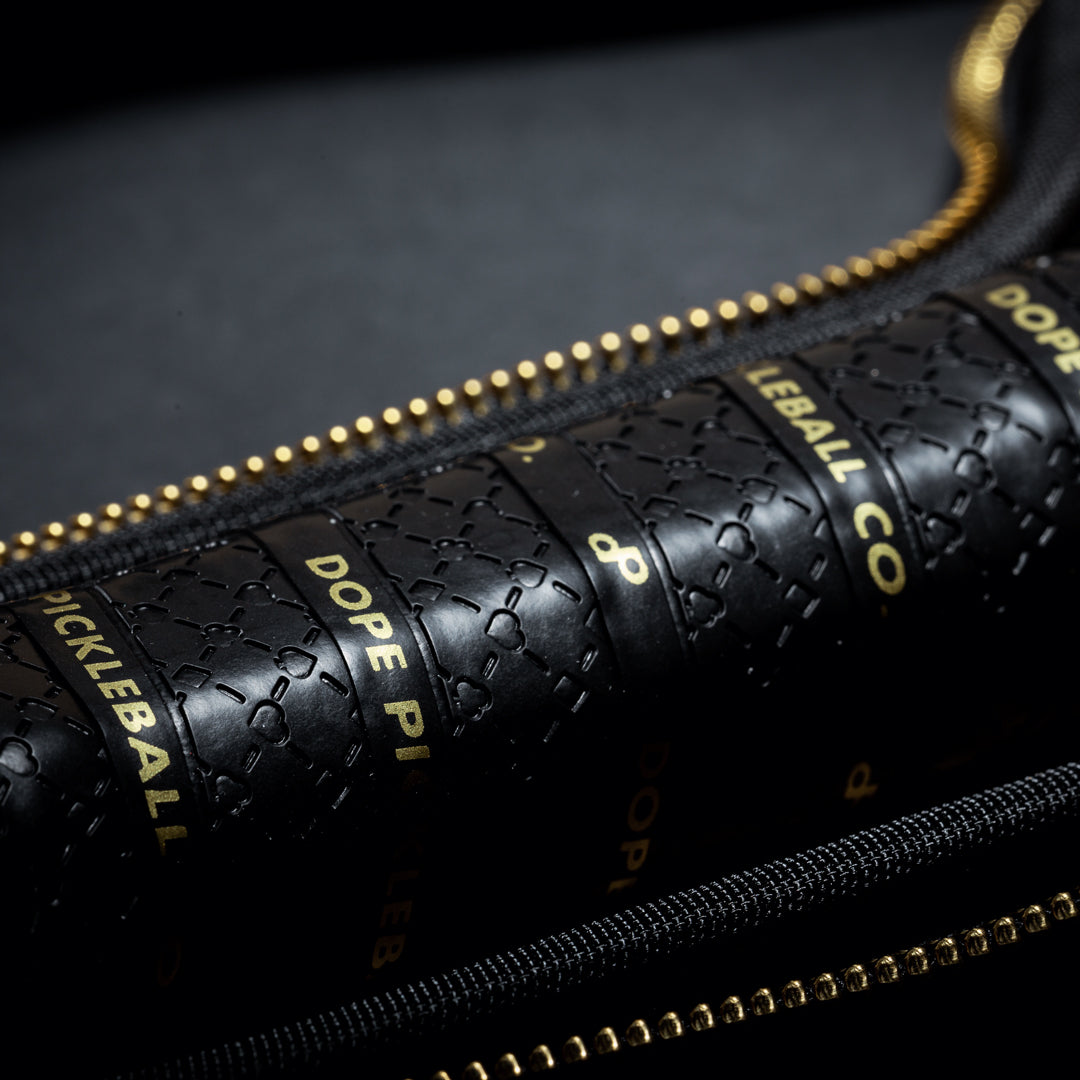
The active High Roller listing documents an ornamental electroplated chrome-gold edge, pressed gold foil, custom grip, metal coin end cap, and NFC feature. Those design facts do not substitute for a performance protocol.

3. Document Participant Context

Record self-described skill context, dominant hand, relevant playing frequency, usual product, court setting, and what experience qualifies the participant to answer the narrow question. Avoid collecting unnecessary health or identity data.

Do not manufacture a roster or imply that an unnamed “pro” validated a result. Consent and attribution terms should be explicit.

4. Control the Conditions

For on-court tests, note court surface, indoor or outdoor setting, temperature, wind, lighting, ball model and condition, comparison product, sequence, repetitions, rest, and whether order was rotated. For fit or unboxing tests, note the exact size, dimensions, packaging, instructions, and task.

Change one variable at a time whenever possible. A new paddle, ball, grip, and drill introduced together cannot reveal which change produced an observation.

5. Separate Measurements From Impressions

Record type Example Use
Measurement Target makes out of twenty Repeatable outcome
Observation Closure contacted paddle edge Documented event
Preference Player preferred black hat fit Personal choice
Interpretation Balance may have affected timing Hypothesis for next test

Do not convert a preference into a universal specification or an interpretation into a fact.

6. Preserve Approval and Safety Boundaries

The High Roller paddle is not USA Pickleball approved. Athlete feedback cannot grant approval. Use it for recreational or unsanctioned testing where permitted, and keep sanctioned equipment decisions tied to the current official list.

Likewise, a ball’s dimensions or player preference does not establish approval, and an eyewear style test does not establish impact protection.

7. Test Visual Products With Real Context

For the mixed glitter balls, a useful question is whether every participant can track pink and yellow against the same court at specific times. Record each player’s response and the lighting. Do not publish “dramatically easier to see” from a few favorable observations.

8. Define the Decision Rule

Before results arrive, define what would trigger no change, more testing, a listing clarification, packaging improvement, size-guide update, design revision, or product stop. This prevents the team from choosing a story after seeing the data.

9. Keep a Change Log

A change log should link the question, samples, evidence, decision, owner, implementation date, affected product version, and customer-facing update. If nothing changed, record why. If evidence is inconclusive, say so.

10. Publish Claims at the Strength of the Evidence

A brand may say “three participants preferred this fit in this session” when that is the record. It should not say “athlete tested,” “pro approved,” “more durable,” or “better performance” without a method and evidence that support the broader claim.

The FTC’s endorsement resources emphasize truthful, non-misleading endorsements and material-connection disclosure. Product testers or compensated athletes should receive current disclosure guidance.

Feedback Record Template

  • Question and decision owner
  • Product ID, variant, version, and condition
  • Participant context and consent
  • Test environment and comparison
  • Protocol, sequence, and repetitions
  • Measurements, observations, preferences, and interpretations
  • Limitations and missing data
  • Decision rule and outcome
  • Change log and public copy update
  • Relationship disclosure and usage rights

Example Protocol: Tailored Case Fit

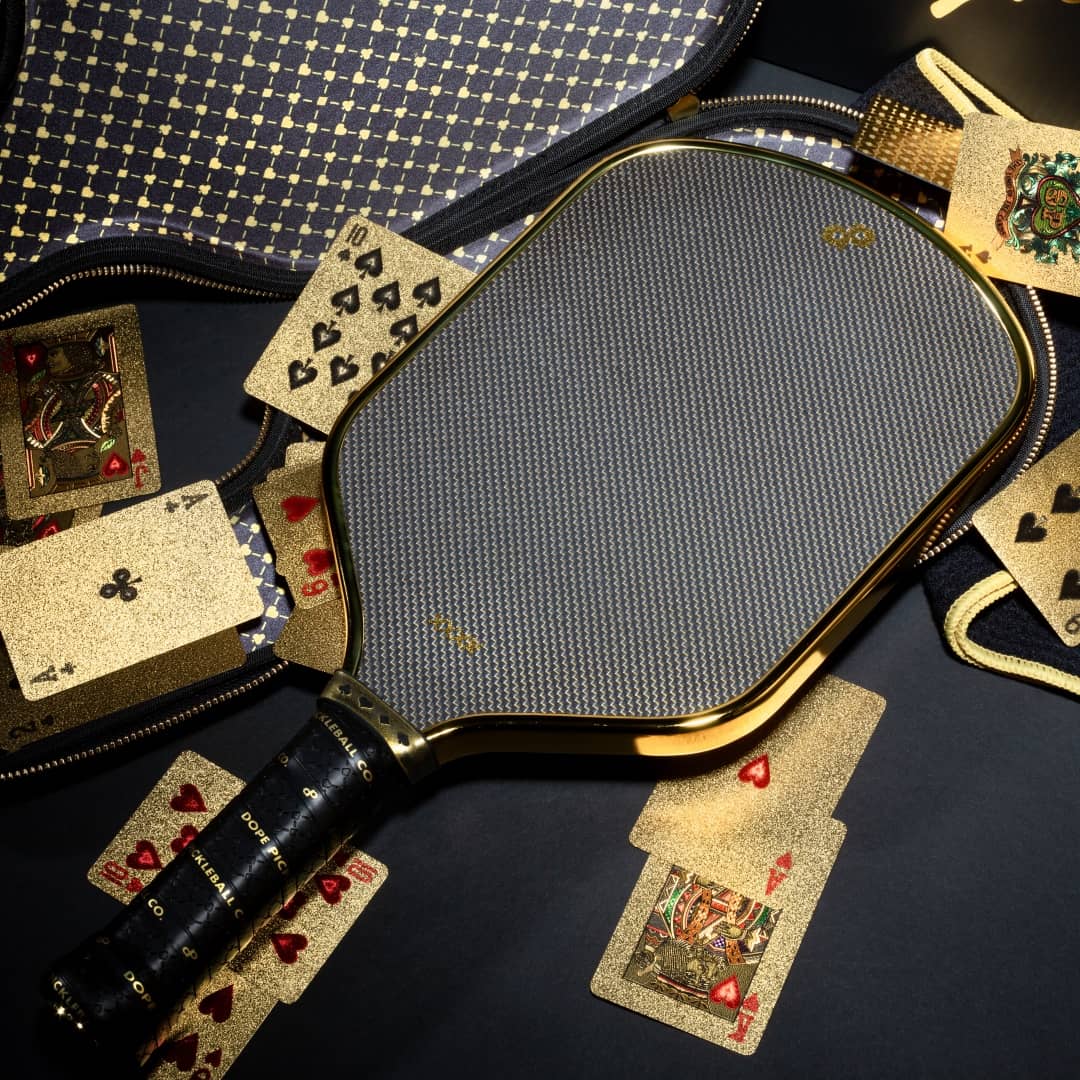
Question: Does the active High Roller case accept the exact High Roller paddle without edge contact or zipper strain? Record paddle and case identifiers, condition, room temperature, insertion orientation, closure path, contact points, and repeat count. Use several production samples if the decision will affect the public fit claim.

Report observable results such as “zipper closed without manual compression in ten repetitions on these samples.” Do not leap to “protects every paddle” or “indestructible.” The listing is model-specific.

Example Protocol: Ball Visibility

Compare pink and yellow glitter balls with the group’s reference ball on one documented court. Rotate viewing side, time, sun or indoor light, feeder, and sequence. Ask each participant to rate tracking at the kitchen, baseline, and lob height, then record disagreements rather than averaging them away.

A favorable result supports only that court, light, sample, and participant group. Approval remains a separate exact-model list question.

Example Protocol: Apparel Fit

For the Lounge T-Shirt, record size selected from the current guide, participant measurements they consent to share, preferred fit, movement tasks, wash condition, and whether the result is first-wear or after care. Separate “the listed size matched this participant’s preferred fit” from a universal sizing claim.

Publish the Negative and Null Results

If the test finds no meaningful difference, a mixed preference, an incompatible sample, or insufficient data, preserve that outcome. Negative results can prevent a misleading claim and identify the next question. Do not hide them because a product launch needs a cleaner story.

Govern the Claim Handoff

Before feedback reaches a product page or article, an owner should compare the proposed sentence with the record: population, samples, method, conditions, result, and limitation. Approval, safety, or legal claims need the appropriate authority. Marketing may simplify wording but cannot widen the evidence.

Retain a link from the public claim to the internal decision record so a future product revision can trigger review. When the product changes, the old test should not silently govern the new version.

The Current DOPE Boundary

This article does not claim that current DOPE athletes produced a product, that a test occurred, or that feedback proved performance. It defines the evidence required before those statements can appear.

Frequently Asked Questions

How can athletes help product development?

They can provide structured observations, measurements, preferences, and context under a documented protocol tied to a specific product version.

Does athlete preference prove a product is better?

No. Preference is useful evidence about that participant and context, not universal performance proof.

Can athlete testing make the High Roller approved?

No. The High Roller is not USA Pickleball approved; private feedback does not change official equipment status.

What should a product feedback record include?

Include the question, product, participants, conditions, protocol, data types, limitations, decision rule, outcome, change log, disclosures, and consent.

Does this article claim a DOPE athlete panel exists?

No. It presents a framework and does not invent a roster, panel, test, or result.

Powered by Omni Themes