

A credible pickleball brand ambassador program needs public rules before it needs hype. Players should be able to see whether applications are open, who is eligible, what the relationship includes, what content is expected, how compensation or product works, how disclosures are handled, and how either side can end the arrangement.
The current DOPE Pickleball storefront record used for this rewrite does not document an open athlete application, active roster, compensation schedule, selection window, or standard contract. This article therefore describes the standards a DOPE ambassador program should publish—not a program benefit or acceptance path that has not been verified.
1. Publish a Current Program Status
The first line of a program page should say one of three things: applications open, applications closed, or invitation only. It should include a date and official contact or form. A blog article, direct message, or old social post should not be treated as an application channel unless the current brand page confirms it.
Applicants should never have to guess whether a request comes from DOPE. The official page should identify the domain, expected communication method, and what the brand will never ask for during initial review.
2. Define the Relationship
“Ambassador,” “affiliate,” “sponsored athlete,” “product tester,” and “employee” are not interchangeable. A program should state whether the relationship involves:
- free or discounted product;
- cash compensation;
- commission or tracked links;
- event expenses;
- content deliverables;
- product feedback;
- exclusivity;
- name, image, or content usage rights; and
- a fixed term and termination process.
If a benefit is not in the current written terms, the article should not imply it.
3. Use Transparent Endorsement Disclosures
The U.S. Federal Trade Commission’s Disclosures 101 guidance explains that material connections can include payment, free or discounted products, and other value, and that the relationship should be disclosed clearly. The FTC endorsement resources also emphasize truthful, non-misleading endorsements.
A DOPE program should provide current disclosure guidance, examples for each platform, and a review process without pretending one hashtag solves every context. Participants remain responsible for applicable requirements and should seek qualified advice when needed.
4. Let Athletes Speak Only From Real Experience
An ambassador should not claim to have tested a product they have not used or repeat a power, spin, control, durability, safety, approval, or visibility claim without evidence. Personal preference should be labeled as personal preference. A supplied talking point should not replace the athlete’s honest experience.
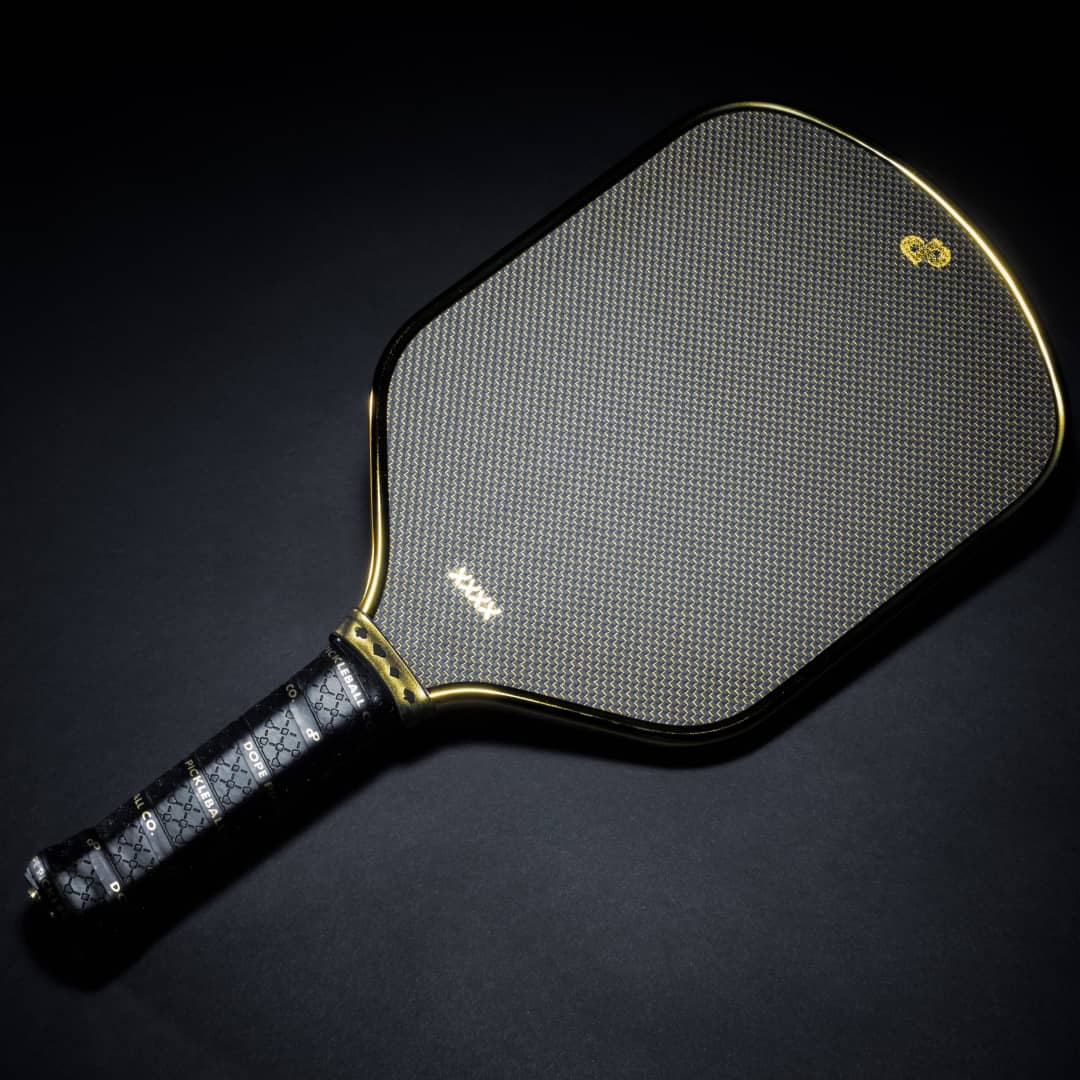
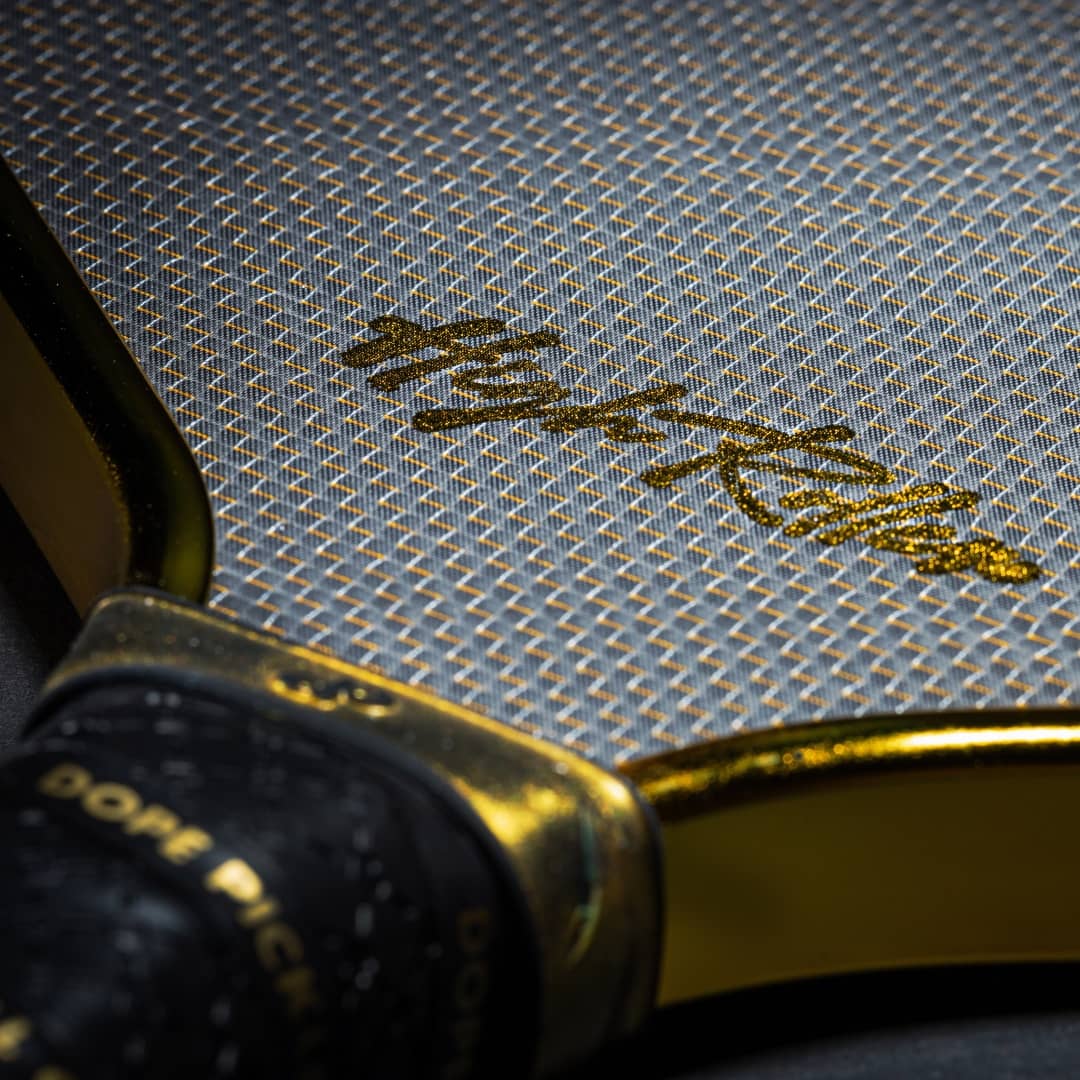
The active High Roller Chrome Gold Paddle is not USA Pickleball approved. Any ambassador content featuring it should preserve that boundary and position it for recreational or unsanctioned play where permitted.
5. Use Exact Product Media
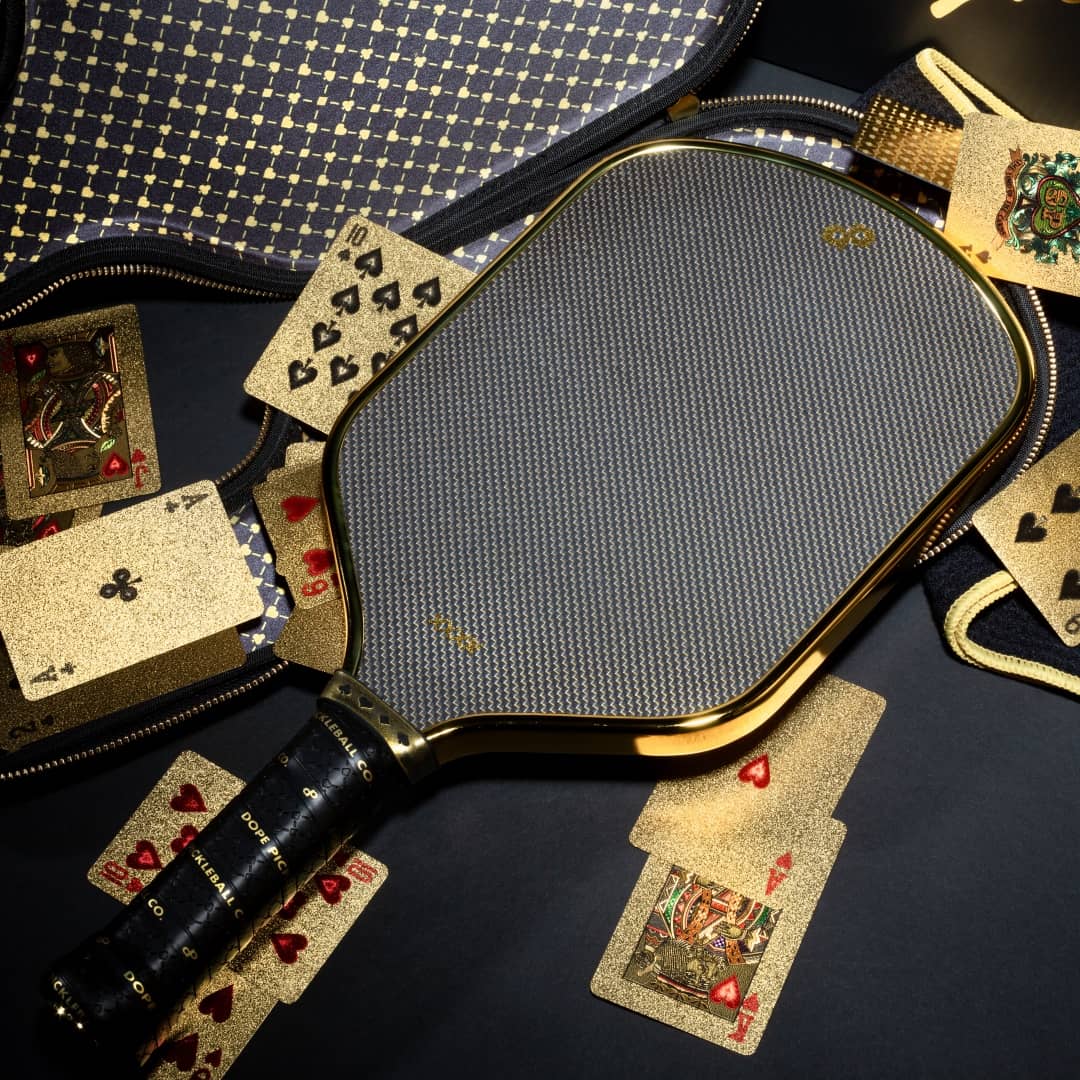
Brand-supplied product photos should come from current product records and preserve shape, logos, color, quantity, texture, and included items. Generated lifestyle art should never redraw the paddle, balls, apparel, case, sunglasses, tumbler, or bundle as though the image were a product photograph.
The Lounge T-Shirt listing identifies a 96% bamboo and 4% cotton blend, form-fitting cut, rubberized logo, and sizes from XS through 3XL. An ambassador should use the live size and care information rather than inventing fit claims.
6. Define On-Court Conduct
A public code should cover respectful play, facility and event rules, opponent and official treatment, harassment, hate, dangerous conduct, intoxication, cheating, and misrepresentation. It should also explain reporting, review, response, and appeal at a level appropriate to the program.
Brand representation does not grant authority over court operations or other players. An ambassador follows the same rules and equipment requirements as everyone else.
7. Separate Selection Criteria From Popularity
A program can value content quality, local participation, reliability, sportsmanship, brand fit, geographic reach, competitive results, coaching, or community service. It should state which criteria matter and how they are evidenced.
Follower count alone should not be described as merit. Likewise, a small account should not be promised acceptance because it feels authentic. Selection requires a current, documented process.
8. Protect Applicant Data
An application should collect only information needed for evaluation, explain how it will be used, identify who can access it, and state retention or deletion practices. Sensitive identity, banking, tax, or contract information should be requested only through an appropriate secure workflow after legitimacy is established.
This article does not create an application form or request personal data.
9. Build a Product-Seeding Record
When product is supplied, both sides should record the exact item, variant, date, value, purpose, ownership, return expectation, disclosure obligation, and whether feedback or content is required. A DOPE x Reversed Hat seed is different from a paddle test or full bundle partnership.
10. Publish a Review and Exit Process
Participants should know how deliverables are reviewed, how corrections work, when content can be declined, what happens to links and discounts, how product returns are handled, which content rights survive, and how either party can end the relationship.
A clean exit protects the player and the brand. Silence, vague “family” language, or permanent obligations should not substitute for terms.
Applicant Verification Checklist
| Question | Required evidence |
|---|---|
| Is the program open? | Current official status page |
| Who is contacting me? | Verified brand channel |
| What do I receive? | Written compensation/product terms |
| What do I owe? | Written deliverables and schedule |
| How do I disclose? | Current platform and FTC-aligned guidance |
| Who owns content? | Usage-rights clause |
| How do I leave? | Termination and post-term terms |
A Transparent Selection Rubric
If a program opens, the brand should score applicants against published categories such as reliability, truthful communication, local participation, content craft, sportsmanship, audience relevance, schedule fit, and brand-product interest. Each category needs evidence and a reviewer note. Competitive rating or follower count can be one input without becoming the entire definition of value.
The rubric should also name disqualifiers: fabricated results, undisclosed commercial conflicts, harassment, repeated rule violations, purchased engagement presented as organic reach, or unwillingness to make required corrections. Applicants should know whether decisions are final for the cycle and when they may reapply.
Recruitment Scam Checks
Do not send money, banking details, tax documents, passwords, authentication codes, or identification because an unsolicited account promises sponsorship. Verify the opportunity through the official DOPE domain and a current program contact. Watch for look-alike domains, urgent payment requests, guaranteed acceptance, off-platform secrecy, and product-purchase demands that are absent from public terms.
If a message cannot be reconciled with the official program status, stop and ask the brand through its current public support channel. A real selection process can tolerate verification.
The Current DOPE Boundary
Until an official current program page documents status, applications, benefits, selection, and terms, this article should be read as a transparency framework. It does not confirm that DOPE is recruiting, sponsoring, or accepting ambassadors today.
Frequently Asked Questions
Is the DOPE Pickleball athlete program currently open?
The current storefront record used for this rewrite does not document an open application. Use only a current official program page or verified brand channel.
What should a brand ambassador agreement include?
It should define the relationship, benefits, compensation, deliverables, disclosures, product, usage rights, conduct, data handling, term, and exit process.
Do free products need disclosure?
FTC guidance says material connections can include free or discounted product. Review current official guidance and applicable requirements.
Can an ambassador call the High Roller tournament approved?
No. The High Roller is not USA Pickleball approved and should be described for recreational or unsanctioned play where permitted.
Does this article create an application?
No. It describes standards and does not collect applicant data or promise program access.


Share:
Athlete Product Feedback: A Test-and-Claims Framework