

A real player spotlight should introduce a real person with their consent and verified facts. It should not create a composite athlete, imply sponsorship, invent ratings or results, or use a generic product photograph as though it depicts the featured player.

No named athlete and supporting source record are attached to the current storefront article used for this rewrite. This page therefore serves as the DOPE Pickleball athlete spotlight template and publication standard. It will not fabricate a profile to fill the URL.

What a Verified Spotlight Needs

  • the athlete’s full preferred name and pronunciation;
  • written consent to publish;
  • the exact relationship to DOPE, if any;
  • location at the level the athlete approves;
  • playing background in the athlete’s own words;
  • ratings, rankings, or results linked to a current source;
  • product use based on real experience;
  • material-connection disclosure;
  • approved photographs and usage rights; and
  • a review and correction contact.

1. Verify Identity and Consent

The editor should confirm the athlete through a direct, documented channel and obtain permission for name, image, quotes, location, results, and relationship description. Consent should identify where the profile will appear and how long the brand can use supplied media.

Do not collect or publish home addresses, private contact details, identification documents, or unnecessary sensitive information.

2. Describe the Relationship Exactly

Use the term in the written agreement: customer, affiliate, ambassador, sponsored athlete, product tester, contractor, or employee. If there is no formal relationship, do not imply one.

The FTC’s influencer disclosure guidance explains that material connections can include payment, free or discounted products, and other value. Use current official guidance and qualified advice as needed.

3. Source Competitive Claims

A rating, ranking, medal, title, event result, or professional status needs a current primary source or organizer record. Include date and division. Do not turn a self-description into an official result or let an old rating appear current without a timestamp.

If a source cannot be verified, use a narrower statement attributed to the athlete or omit the claim.

4. Use Real Quotes

Record the interview, retain notes, and let the athlete review quotes for accuracy without converting the profile into an uncritical advertisement. Do not manufacture a statement from bullet points or ask the athlete to endorse a product they have not used.

5. Use Athlete Photos for the Athlete

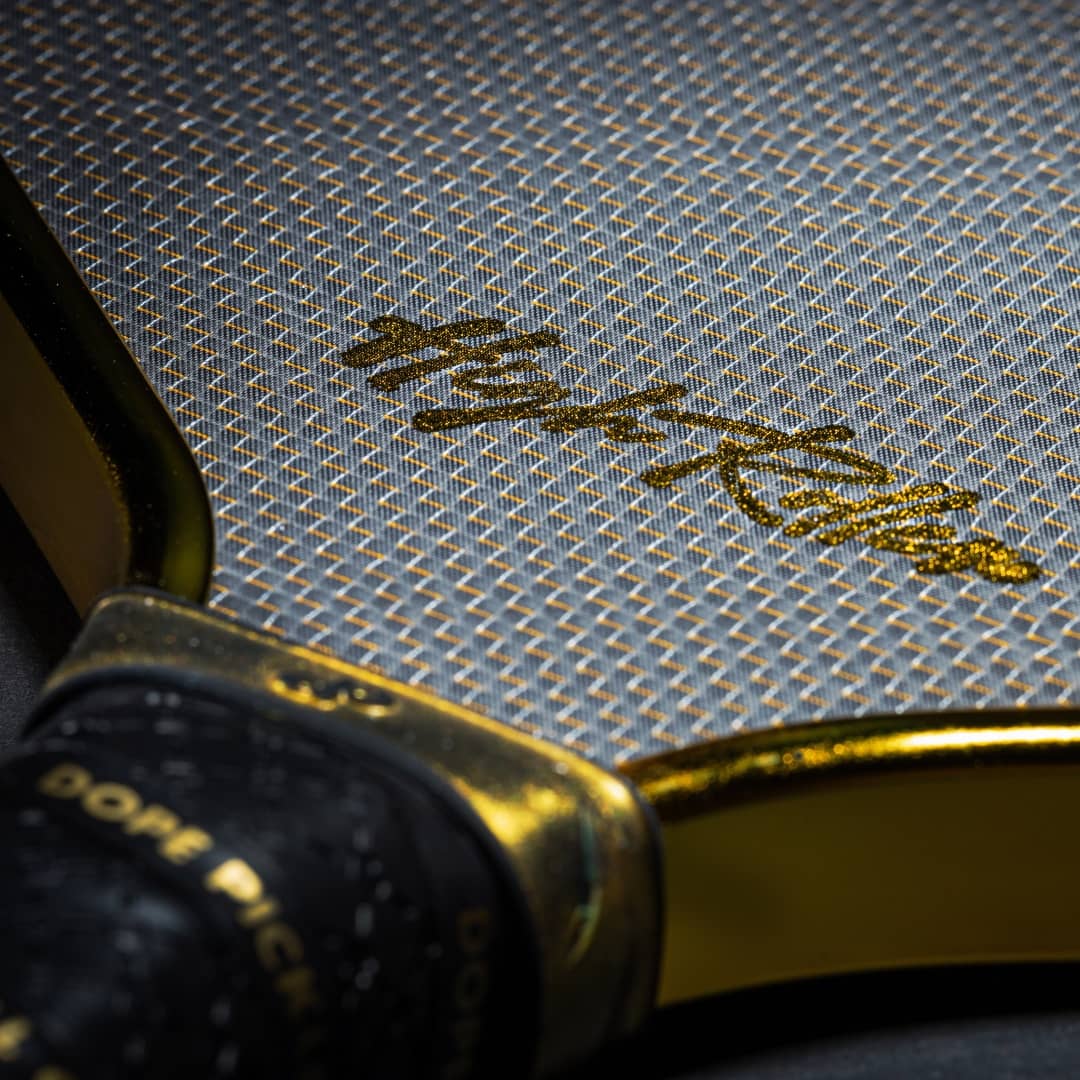
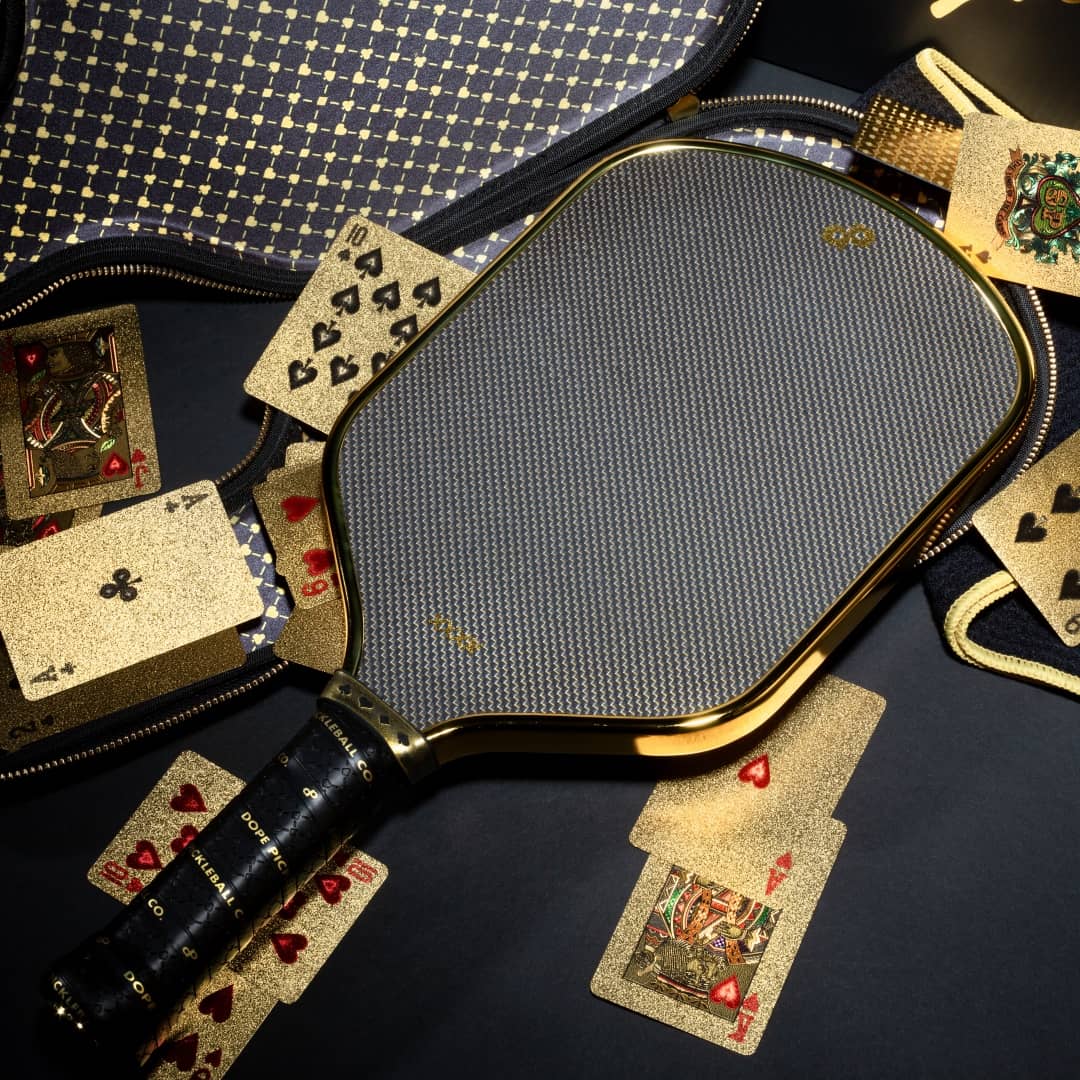
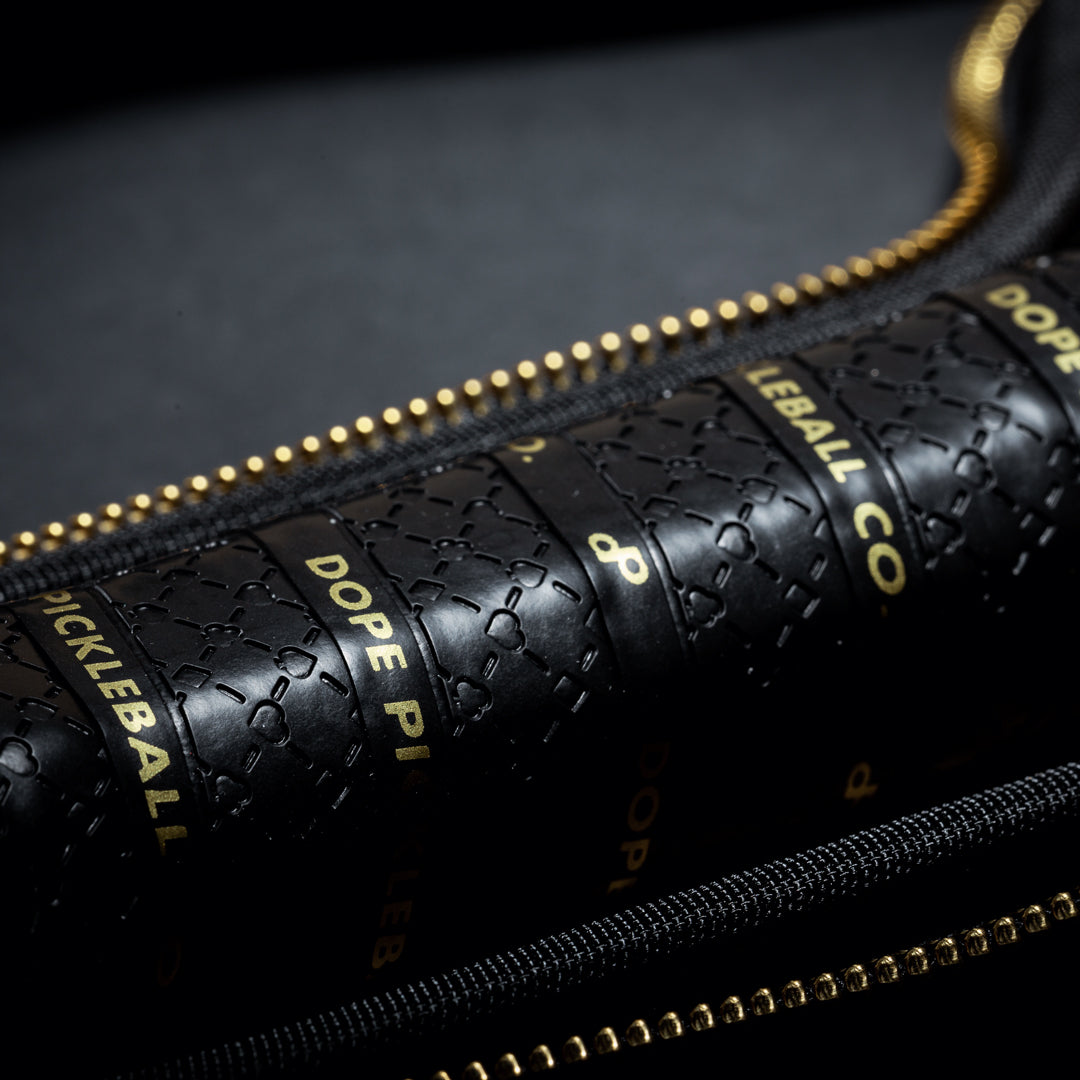
A player spotlight requires approved images of the actual athlete. Product photos can support a gear section but must be labeled as product photos, not portraits.

The High Roller x Reversed Hat can appear in a product section if the athlete actually uses or discusses it. The active listing describes performance-poly fabric, a five-panel silhouette, embroidery, rope trim, curved visor, and adjustable snapback.

6. Keep Product Claims Within Evidence

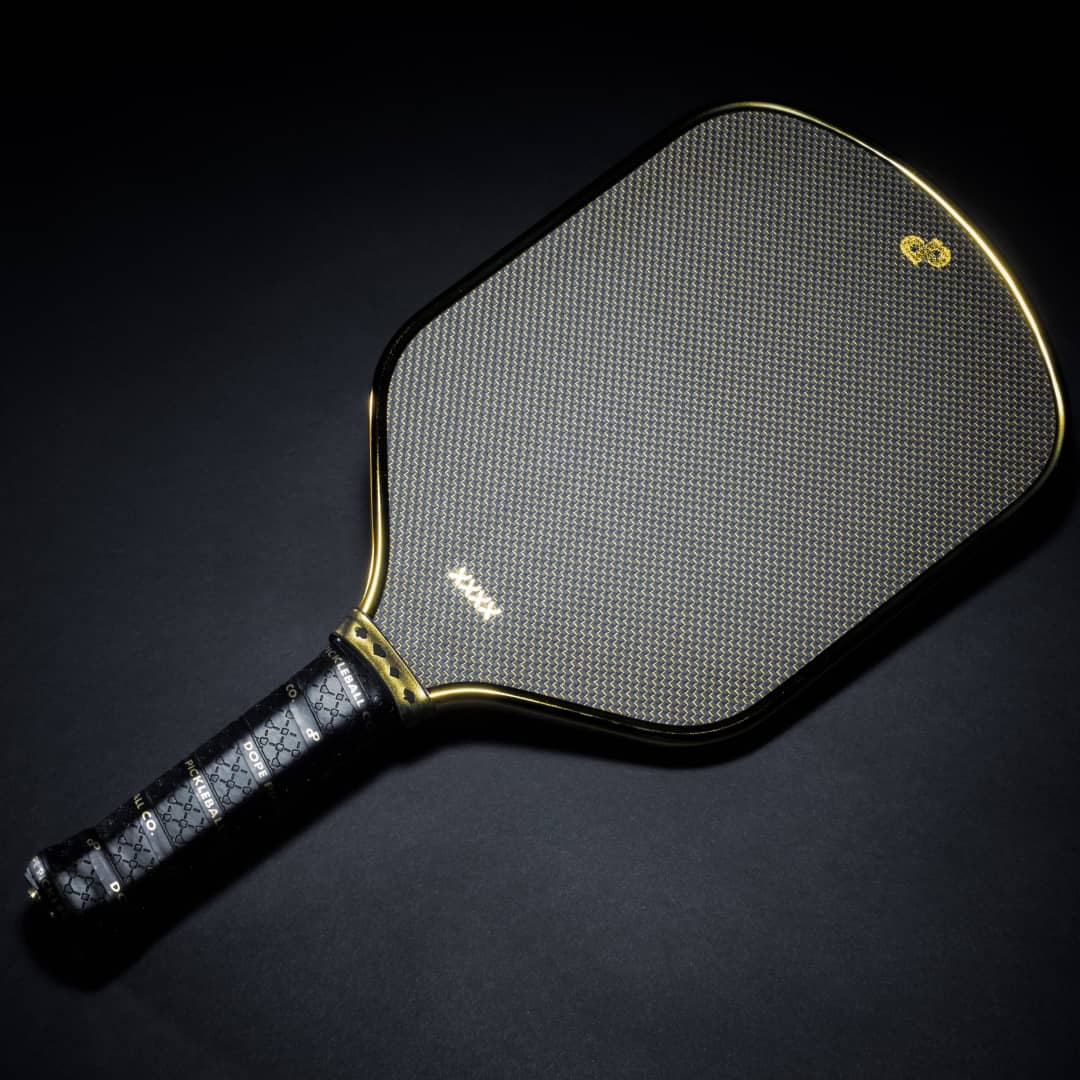
The active High Roller paddle is not USA Pickleball approved. A featured athlete cannot call it tournament approved or imply that personal use grants eligibility. Any recreational use should be described as permitted recreational or unsanctioned play.

Personal impressions about fit or style should be attributed to the athlete and not generalized to every player. Claims about power, spin, control, durability, safety, or visibility require appropriate evidence.

7. Separate Apparel From Performance Proof

The Lounge T-Shirt listing identifies a 96% bamboo and 4% cotton blend, form-fitting cut, rubberized logo, and sizes from XS through 3XL. A spotlight can report the athlete’s chosen size and personal fit observation with consent; it should not claim universal moisture, injury, or performance outcomes.

8. Build the Story Around Choices

A useful profile asks how the player trains, chooses events, handles losses, works with partners, contributes locally, and evaluates gear. It does not need a dramatic origin story. Specific routines and decisions are more credible than generic “elite mindset” language.

9. Include Corrections and Dates

Publish interview date, source dates, and a correction path. If the athlete’s relationship, rating, team, or product changes, update the article or add a clear historical note. Do not silently keep a former relationship in present tense.

Athlete Spotlight Interview Template

  1. How do you describe your current relationship to pickleball?
  2. Where and how often do you play?
  3. Which result or milestone can we verify and link?
  4. What does a typical training week include?
  5. How do you choose partners, events, or practice goals?
  6. Which product have you actually used, in what setting, and for how long?
  7. What did you like, dislike, or change?
  8. What connection to DOPE should readers know?
  9. Which photographs and details may we publish?
  10. How should readers follow your public work?

Publication Checklist

Field Status required
Identity and consent Verified and retained
Relationship Exact and disclosed
Results Linked and dated
Quotes Recorded and approved for accuracy
Photos Actual athlete, rights documented
Product claims Experienced and bounded
Approval Exact current model status
Correction path Published internally or publicly

Recommended Spotlight Structure

  1. Direct introduction: who the athlete is and the exact verified relationship.
  2. Current context: location at an approved level, playing setting, and interview date.
  3. Verified milestone: one result with source, division, and date.
  4. Training decisions: routines, goals, constraints, and adjustments in the athlete’s words.
  5. Community contribution: coaching, volunteering, club work, or events only when sourced.
  6. Product experience: exact product, duration, setting, material connection, positives, and limitations.
  7. Public links: only channels the athlete authorizes.
  8. Corrections: a date and route for factual changes.

This order keeps the person ahead of the product and makes the commercial relationship visible before any endorsement.

Correction, Update, and Takedown Workflow

Maintain an internal owner for every profile. A factual correction should identify the changed sentence, source, date, and whether the athlete approved the update. Relationship, rating, team, and event changes should receive timestamps rather than silent present-tense drift.

A takedown request should be evaluated against the consent and usage terms, safety concerns, privacy, legal obligations, and any historical record the brand must preserve. Removing a public page does not authorize deleting required contract or compliance records. The published page should never expose the private review trail.

Photography Review

Confirm that the athlete is the person shown, that the setting and date are represented accurately, that other identifiable people have appropriate permission, and that product details have not been altered. Retouching should not change equipment, logos, body position, scoreboards, awards, or event context in a misleading way.

Alt text should describe what is visible without inferring rating, sponsorship, disability, emotion, or performance that the image cannot establish.

The Current Page Boundary

This page does not name a DOPE athlete because no verified profile record was supplied. That is intentional. A blank template is more truthful than a fictional spotlight.

Frequently Asked Questions

Who is the athlete featured on this page?

No athlete is currently featured. The page is a verification template because a named, sourced, consented profile was not supplied.

What must a player spotlight verify?

Verify identity, consent, relationship, results, quotes, product experience, material connection, photos, usage rights, dates, and correction path.

Can a product image stand in for an athlete portrait?

No. Product photographs can support catalog context but should not be represented as images of the featured person.

Can an athlete call the High Roller tournament approved?

No. The High Roller is not USA Pickleball approved.

Why not publish a composite athlete profile?

A composite can mislead readers about identity, results, sponsorship, quotes, and product experience. This page requires a real sourced person.

Powered by Omni Themes