

The best pickleball bag format depends on load: choose a sling for a light everyday setup, a backpack for hands-free organization, a duffel for clothing and shoes, a tournament bag for multiple paddles and long days, or a fitted paddle case when the main goal is protecting one specific paddle. Capacity, fit, ventilation, zipper quality, and honest dimensions matter more than a “pickleball” label.
This 2026 buying guide does not rank products the brand has not tested. It gives you a packing-based decision system and shows exactly where the active DOPE High Roller Paddle Travel Case fits. The previously promoted Manhattan Mint leather sling is not in the current active-product catalog and has been removed from the recommendation.
Start With What You Actually Carry
Write a real packing list before choosing a bag:
- number and shape of paddles;
- balls for games or drills;
- court shoes or a change of shoes;
- water container;
- shirt, layer, socks, or towel;
- sunglasses or protective eyewear in a rigid case;
- keys, phone, wallet, medication, sunscreen, and personal items;
- tape, overgrips, first-aid basics, or event paperwork.
Then sort the list into three groups: must stay protected, must remain easy to reach, and can share an open compartment. A bag with many pockets can still fail if the paddle compartment is too short or the water bottle does not fit.
Sling vs. Backpack vs. Duffel vs. Paddle Case
| Format | Best fit | Main compromise |
|---|---|---|
| Sling | One paddle and a minimal open-play kit | Limited capacity and uneven one-shoulder load |
| Backpack | Hands-free everyday carry with organized pockets | Can become bulky or place pressure on paddle faces |
| Duffel | Shoes, clothing, water, and larger accessories | Less structured; often carried in one hand |
| Tournament bag | Multiple paddles, long sessions, travel, and backup gear | Largest size and highest carrying load |
| Fitted paddle case | Protection for one compatible paddle | Does not replace a bag for balls, water, or clothing |
Do not buy the largest format by default. Empty volume encourages overpacking, and an overloaded bag can become uncomfortable.
Paddle Compartment Fit
Measure the exact paddle—including edge guard, end cap, and any protective tape—before shopping. Product labels such as “universal” or “fits most” are not dimensions.
Questions to ask
- Does the compartment close without pressing the paddle tip?
- Can two paddles touch or rub against each other?
- Is there internal padding or a separate sleeve?
- Can the zipper contact the paddle face?
- Does added grip tape or a thicker butt cap change the fit?
- Is the compartment insulated, and does the manufacturer state any temperature limits?
A fitted case provides targeted protection, but do not force a different paddle shape into it. The DOPE case is explicitly described as tailored for the High Roller.
Compartments That Solve Real Problems
Shoe compartment
Separate shoes can help keep court dust and moisture away from clothing and paddle surfaces. Ventilation matters; an enclosed pocket can trap moisture and odor.
Ball storage
Ball pockets should be easy to count and empty. For practice, choose capacity based on drill volume. Avoid crushing balls under shoes or a full water container.
Water bottle pocket
Measure the bottle diameter and filled weight. A shallow elastic pocket may work while walking but fail when the bag is placed on the ground.
Valuables pocket
A soft-lined pocket can separate eyewear and a phone from keys. A pocket is organization, not security; do not leave valuables unattended at public courts.
Wet-item separation
A removable pouch or ventilated compartment can isolate a damp shirt or towel. Clean it regularly rather than letting moisture remain in the bag.
Materials, Stitching, Zippers, and Structure
Evaluate what the bag maker actually specifies:
- Exterior: textile, coated fabric, leather, vegan leather, or composite.
- Interior: lining material and cleanability.
- Structure: foam, panels, or reinforcement that prevents collapse.
- Hardware: zipper brand, pull size, clasps, and attachment points.
- Seams: reinforcement at handles and straps.
- Weather claims: water-resistant is not the same as waterproof.
Look for care instructions. A beautiful finish that cannot be cleaned for your environment may not be practical.
Carry Comfort and Balance
Load the bag with your real equipment before judging comfort. Test:
- walking for several minutes;
- lifting it from the ground;
- adjusting straps without removing the load;
- opening the main compartment while the bag is stable;
- whether hard items press into the back or shoulder;
- whether the bag swings during stairs or a bicycle ride.
A narrow sling may feel clean with one paddle and uncomfortable with a full water bottle. A backpack may distribute load better but be larger than needed. Choose for your route to the court, not the product photo alone.
Tournament and Air-Travel Considerations
For a tournament day, leave space for schedule changes, food, layers, backup grips, and a second paddle if needed. Label the bag with contact information that does not expose unnecessary personal data.
For air travel:
- check current airline carry-on dimensions and policies;
- protect paddles from crushing and sharp hardware;
- do not assume a long paddle handle fits every under-seat bag;
- keep medications and essential personal items accessible;
- review liquid rules for drink containers and care products.
Airline policies can change and final acceptance belongs to the carrier.
High Roller Paddle Travel Case: Verified Details
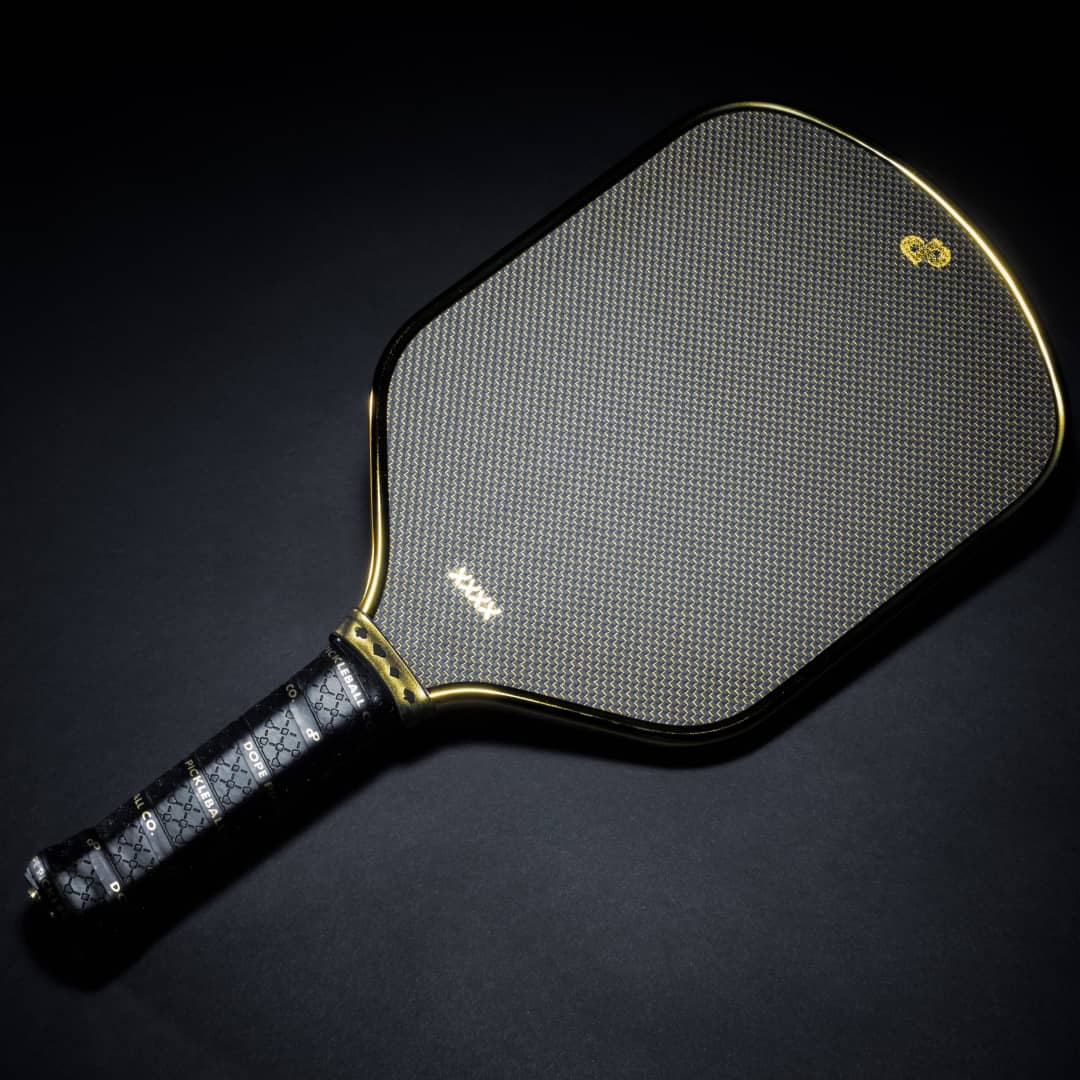
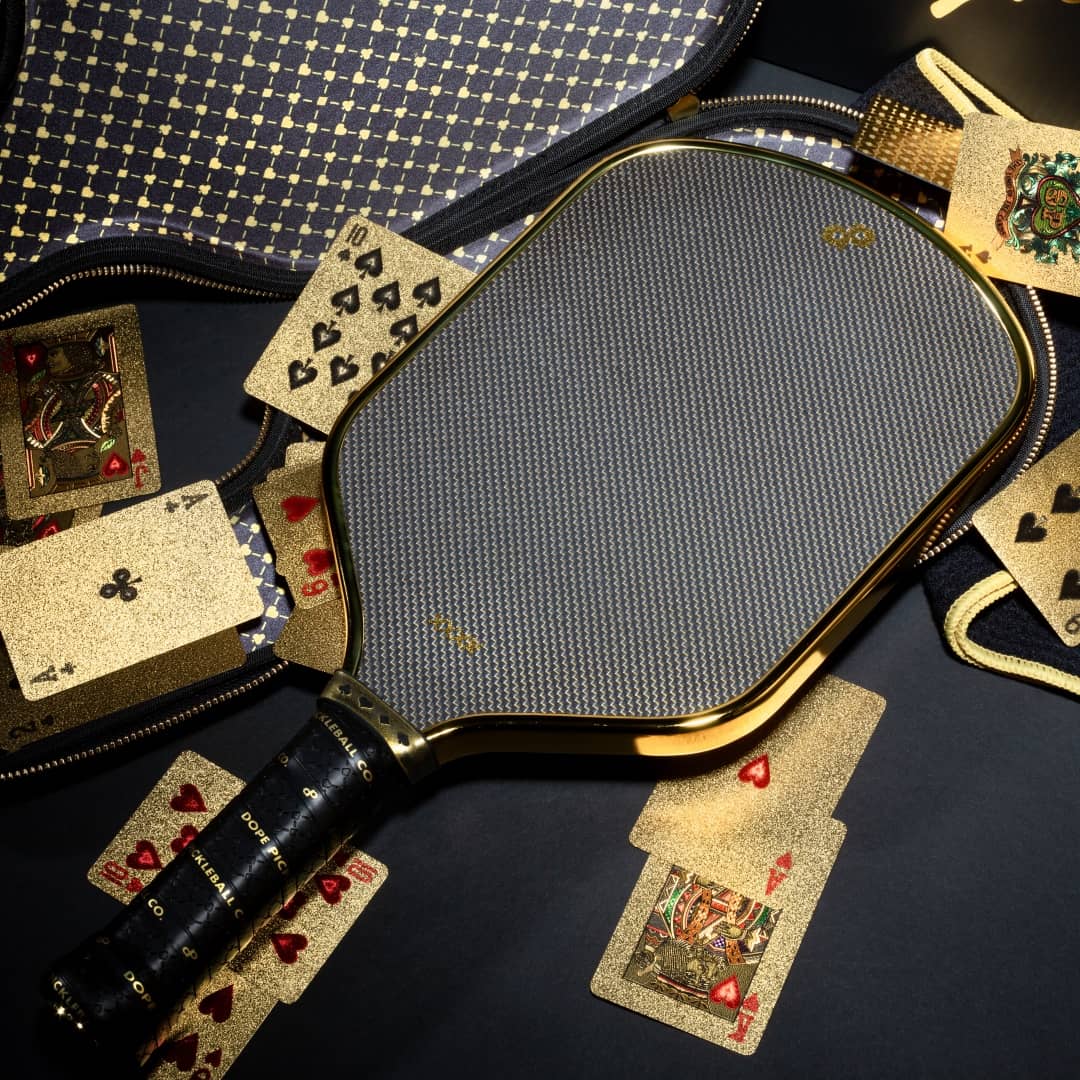
The active High Roller Pickleball Paddle Travel Case page states that it is custom-shaped for the High Roller paddle. The listing describes:
- a dual-layer black vegan-leather exterior;
- a plush suede interior with the High Roller motif;
- EVA foam reinforcement;
- a YKK gold metal zipper;
- an embossed DP logo on the front;
- a signature metal logo on the back.
It is included in the High Roller Club Bundle and is also sold separately. It does not carry shoes, balls, a tumbler, or clothing, so players still need a separate bag for a full session. Because it is fitted for the High Roller, confirm compatibility before using it with another model.
The High Roller paddle itself is not USA Pickleball approved and is intended for recreational or unsanctioned play where permitted.
Pickleball Bag Buying Checklist
- Real packed dimensions and weight
- Paddle length, width, thickness, and count
- Shoe and wet-item separation
- Water bottle fit
- Comfort at full load
- Ventilation and cleaning instructions
- Zipper and strap reinforcement
- Weather claim definitions
- Travel-size requirements
- Return policy and warranty
Frequently Asked Questions
Is a sling or backpack better for pickleball?
A sling suits a minimal load; a backpack generally distributes a larger load and offers more organization. Choose from your packing list and carry route.
How many paddles should a pickleball bag hold?
Carry the number you actually use. Recreational players may need one or two, while tournament players may want a compatible backup.
Do you need a dedicated paddle compartment?
It is useful when it prevents rubbing, crushing, and zipper contact, but the compartment must fit the exact paddle.
Is the High Roller case a pickleball bag?
It is a fitted travel case for the High Roller paddle, not a general bag for shoes, clothing, water, and balls.
Does the High Roller case fit every paddle?
The current listing says it is precisely tailored for the High Roller. Confirm dimensions before using it with another model.


Share:
Best Pickleball Paddles of 2026: A Buying Framework
High Roller vs Manhattan Mint: What Is Actually Available