

The best pickleball paddle in 2026 is a current, eligible model that fits your hand, moves comfortably, produces predictable contact, and survives a repeatable demo—not the paddle with the newest material label or loudest launch claim. Start with approval and exact SKU, then compare weight and balance, shape, handle, construction, warranty, and real on-court response.
This 2026 guide explains what changed in the shopping environment, how to verify current claims, and how to build a defensible shortlist without pretending DOPE tested every paddle on the market.
What Changed in Pickleball Paddle Shopping?
The category now includes a wider range of core constructions, face layups, thicknesses, shapes, perimeter features, and marketing generations. The official approved-paddle list contains thousands of entries and adds models regularly.
That variety creates three shopper problems:
- Model-name ambiguity: similar names can refer to different thicknesses, shapes, or generations.
- Approval drift: status and event enforcement require current verification.
- Marketing compression: complex construction is reduced to words such as power, control, spin, foam, carbon, or pro.
The solution is not memorizing every technology. It is using a verification order that eliminates unsuitable models quickly.
1. Verify Current Approval and Event Rules
For sanctioned competition, search the exact manufacturer and model. If the family offers multiple shapes or thicknesses, confirm the exact entry.
Do not rely on:
- a retailer badge;
- an old box or sticker;
- an influencer’s 2025 review;
- another model from the same brand;
- the phrase “tournament grade”;
- a paddle that merely matches general dimensions.
USA Pickleball’s Equipment Standards Manual explains that approval involves defined equipment standards and official listing. Event testing or other organizations may add procedures, so confirm the governing rules for the competition you enter.
2. Match the Exact Product, Variant, and Generation
Record:
- full product title;
- manufacturer model number or SKU;
- shape;
- thickness;
- handle length and circumference;
- listed static-weight range;
- generation or revision;
- approval-list entry date and status.
If the seller cannot identify the exact generation, do not assume a review or approval entry applies. Product photos can also lag behind a revision; written model identity matters.
3. Read 2026 Construction Claims Without Shortcuts
Face material
Carbon fiber, fiberglass, graphite, Kevlar-branded fibers, and composite labels describe part of the build. They do not independently guarantee spin, control, durability, or power. Surface process, resin, layup, core, shape, and mass distribution interact.
Core material
Polymer honeycomb remains common, while foam and hybrid designs appear on the current approved list. “Foam” is not a single performance category. Density, geometry, perimeter construction, face bonding, and finished dimensions matter.
Thermoforming and unibody language
These terms describe manufacturing approaches, not a standardized performance rating. Ask what the manufacturer specifies, how the exact model is approved, and what warranty covers structural issues.
Thickness
Thickness can influence feel, but a 16 mm paddle is not automatically control-oriented and a 14 mm paddle is not automatically powerful. Compare finished models with the same test.
4. Compare Handling, Shape, and Handle Fit
Static weight is only the beginning. Balance and rotational feel determine how quickly the paddle prepares and how stable it feels at contact.
| Decision | Test | Warning sign |
|---|---|---|
| Balance | Body volleys and rapid forehand/backhand changes | Late preparation or fatigue |
| Shape | Off-center contacts and reach | Frequent frame contact |
| Handle length | One- and two-handed backhands | Second hand crowding |
| Grip size | Blocks, dinks, and grip changes | Excess squeezing or slipping |
| Butt cap | Full session comfort | Rubbing or pressure |
Fit is personal. Do not select a shape solely because a professional uses it.
5. Demand Evidence for “Power,” “Spin,” and “Control”
Ask whether a claim comes from:
- standardized instrumented testing;
- a reviewer’s repeatable protocol;
- manufacturer internal testing;
- a sponsored opinion;
- an unmeasured impression;
- copy repeated across retailers.
Good evidence identifies units, conditions, sample count, and comparison models. “More spin” without a baseline, test method, or uncertainty is incomplete.
Run a user-centered test
Even strong laboratory data cannot decide your fit. Use target dinks, blocks, volleys, serves, drives, and live points. Record how often the paddle produces the intended result with your technique.
6. Check Warranty, Returns, and Wear
Before purchase, read:
- warranty duration and exclusions;
- registration requirements;
- demo or return-window conditions;
- rules for added weights, tape, or overgrips;
- coverage for edge separation, rattles, or structural failure;
- who pays return shipping.
Inspect a paddle periodically. Stop using it if damage creates a safety concern or violates event rules. A bargain is not valuable if the return policy prevents a real demo.
Build a Three-Paddle Shortlist
Choose finalists that all pass the non-negotiable filters, then vary one meaningful characteristic.
- Baseline model: familiar shape, balance, and response.
- Alternative handling model: different balance or shape.
- Alternative response model: different construction or thickness.
Test all three with the same ball, targets, and order. Keep the winner only if it remains predictable during live play, not merely in isolated drives.
Bring a short written protocol to the demo. Note the exact model label, advertised weight range, actual test-paddle weight if the seller provides it, grip setup, ball model, and court conditions. Rotate the order after the first round so fatigue and familiarity do not automatically favor the last paddle. If you cannot demo, prefer a clearly stated return window and keep the paddle unmodified until you know the seller’s return conditions.
2026 shortlist scorecard
- Current exact-model approval: pass/fail
- Handle fit: pass/fail
- Preparation comfort: 1–5 with notes
- Target control: makes out of ten
- Block height: low/neutral/high pattern
- Serve and drive timing: consistent/inconsistent
- Warranty and return terms: acceptable/unacceptable
- Visual preference: separate final criterion
The DOPE High Roller in a 2026 Shortlist
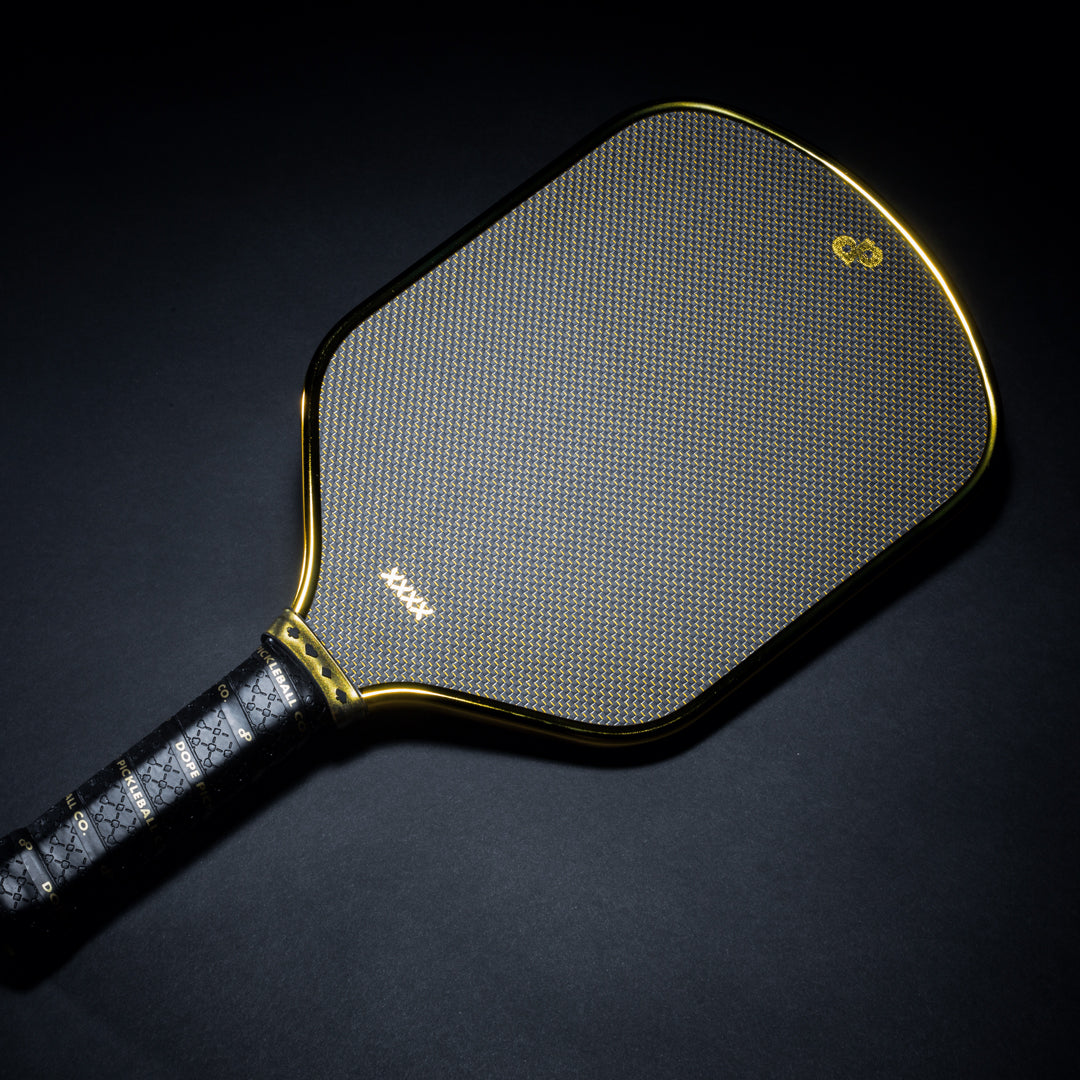
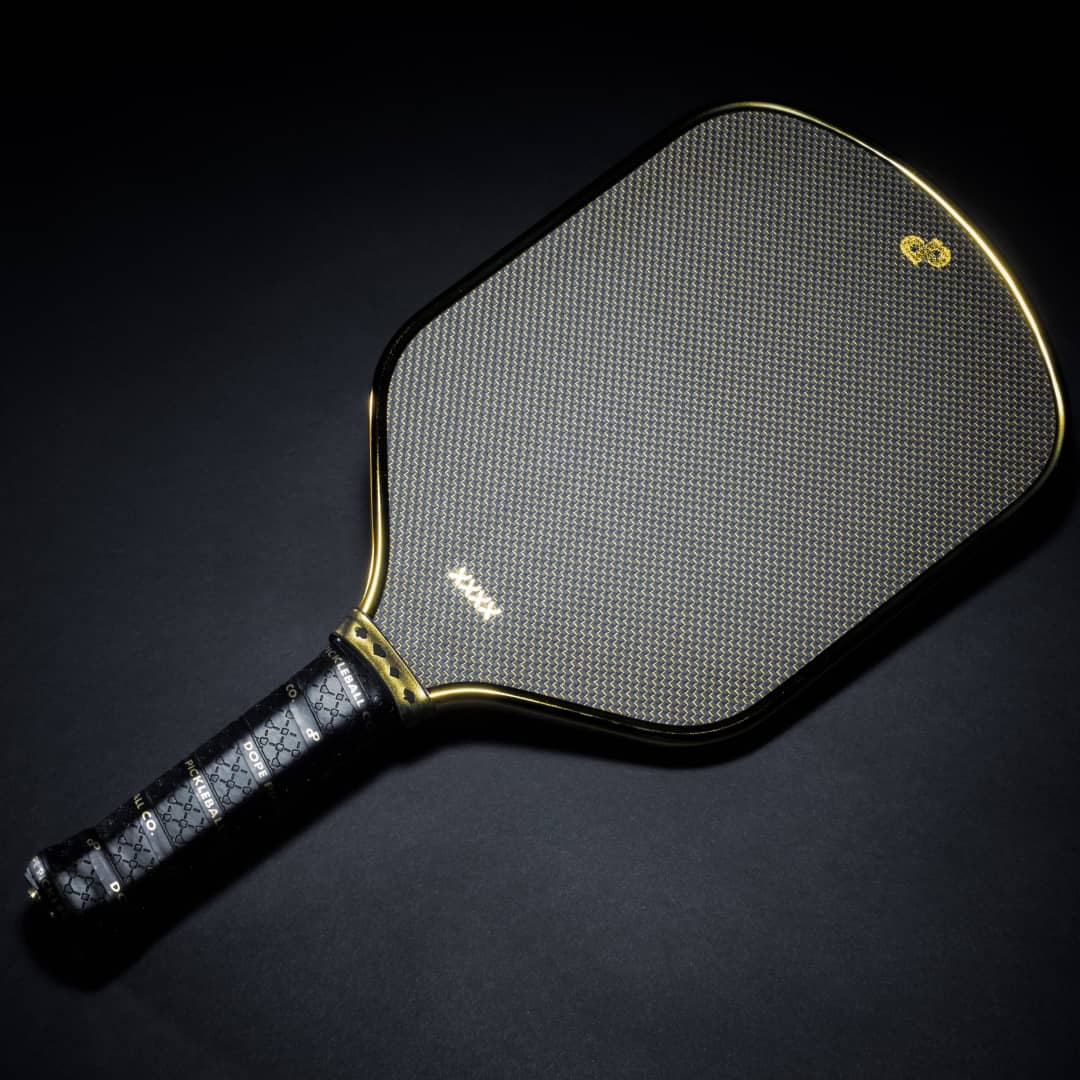
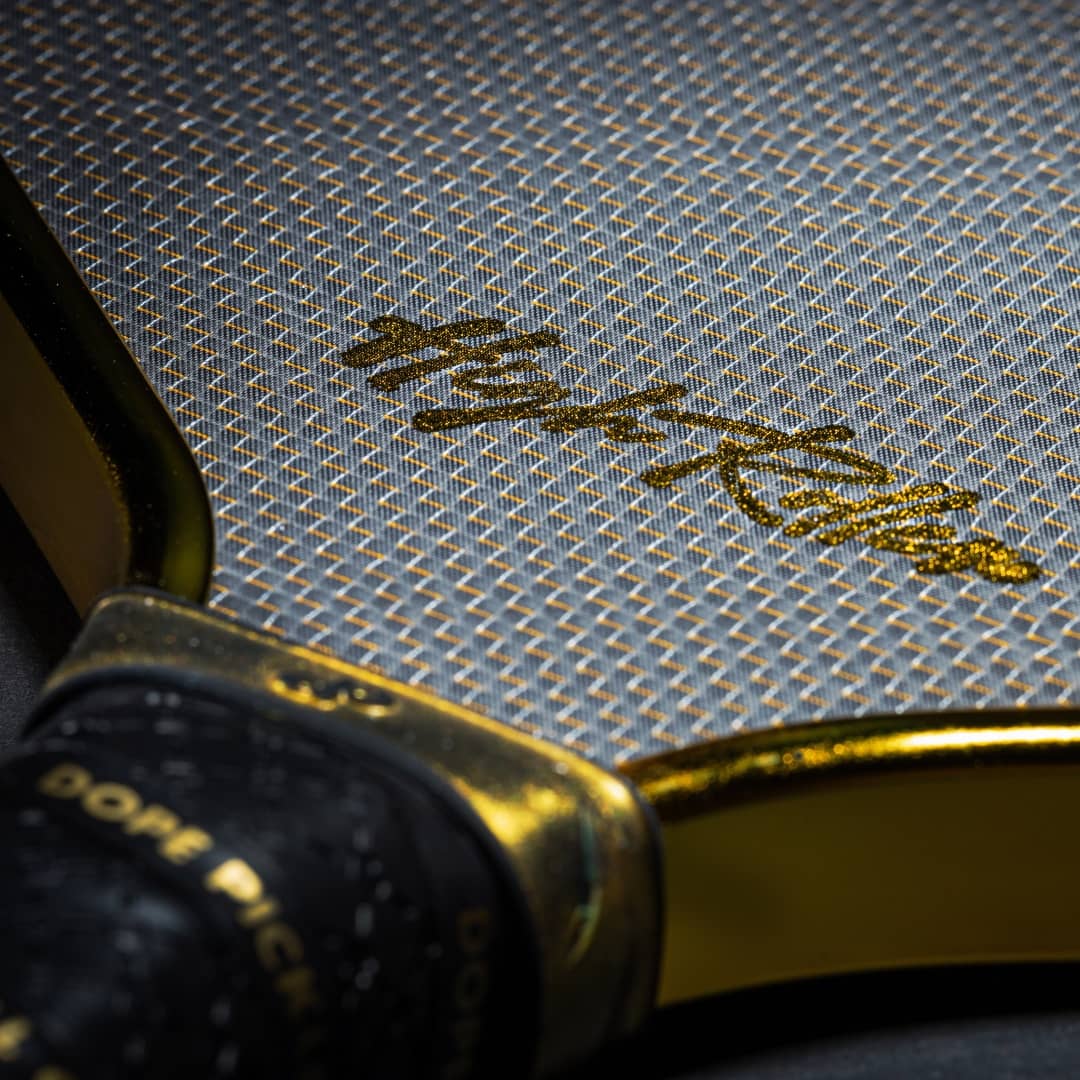
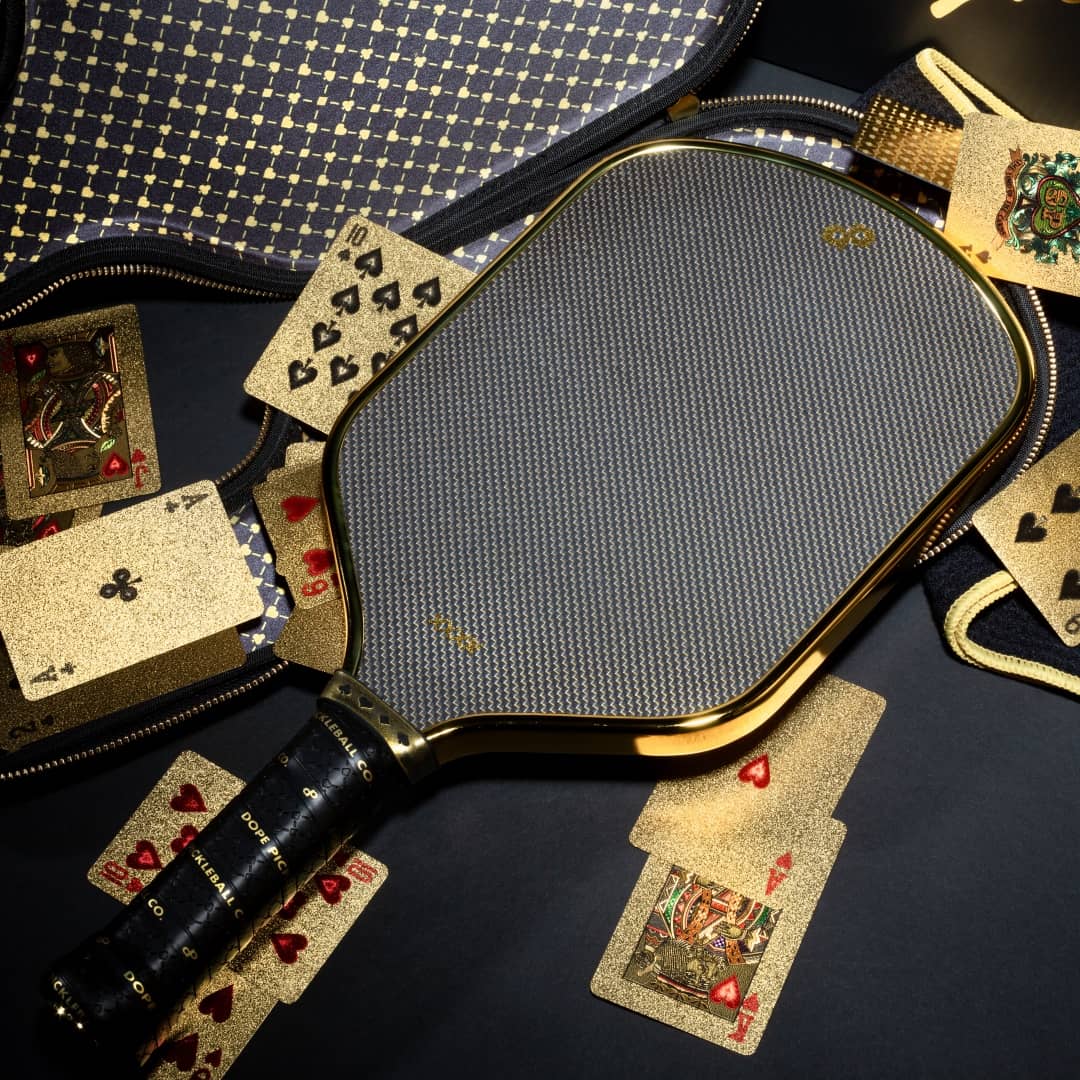
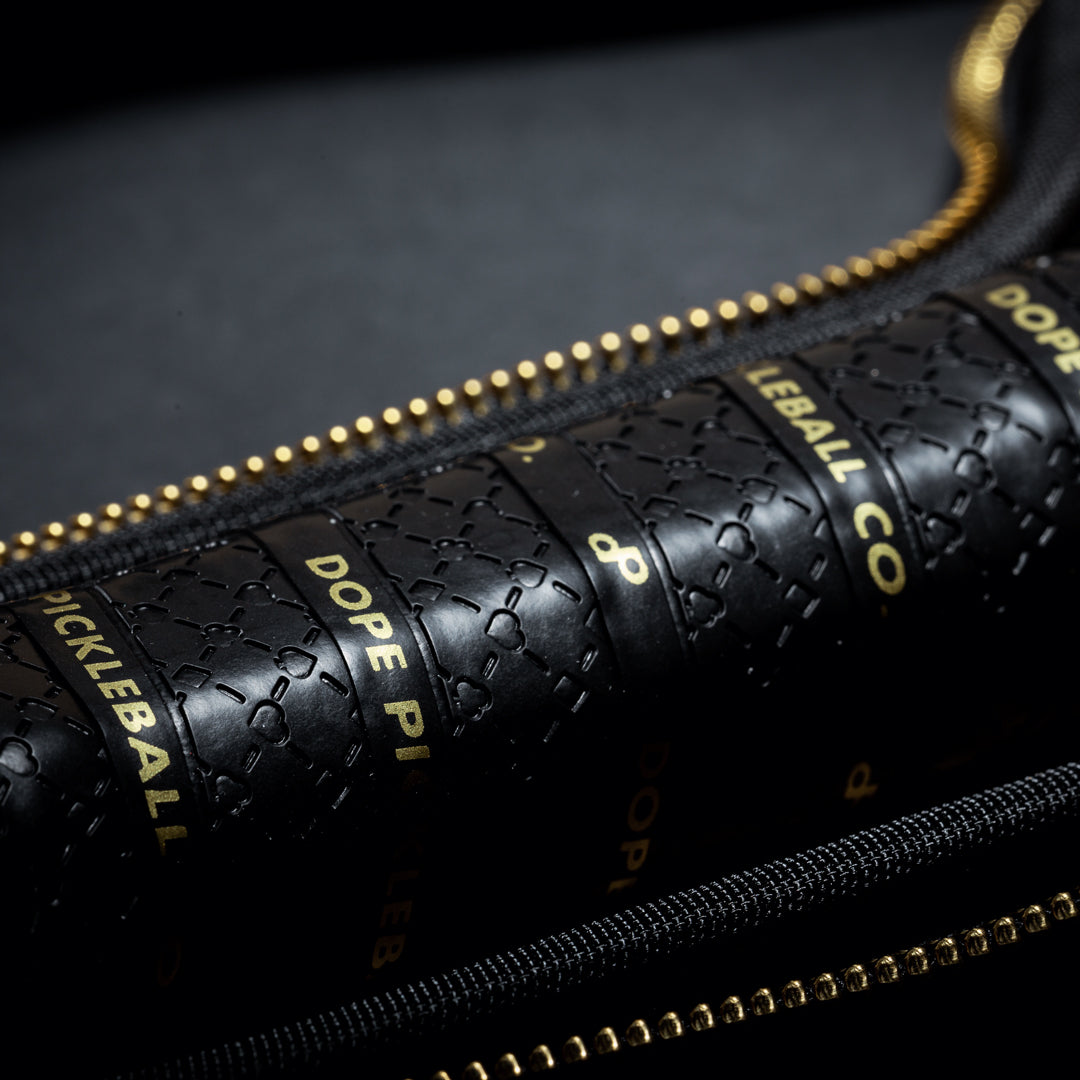
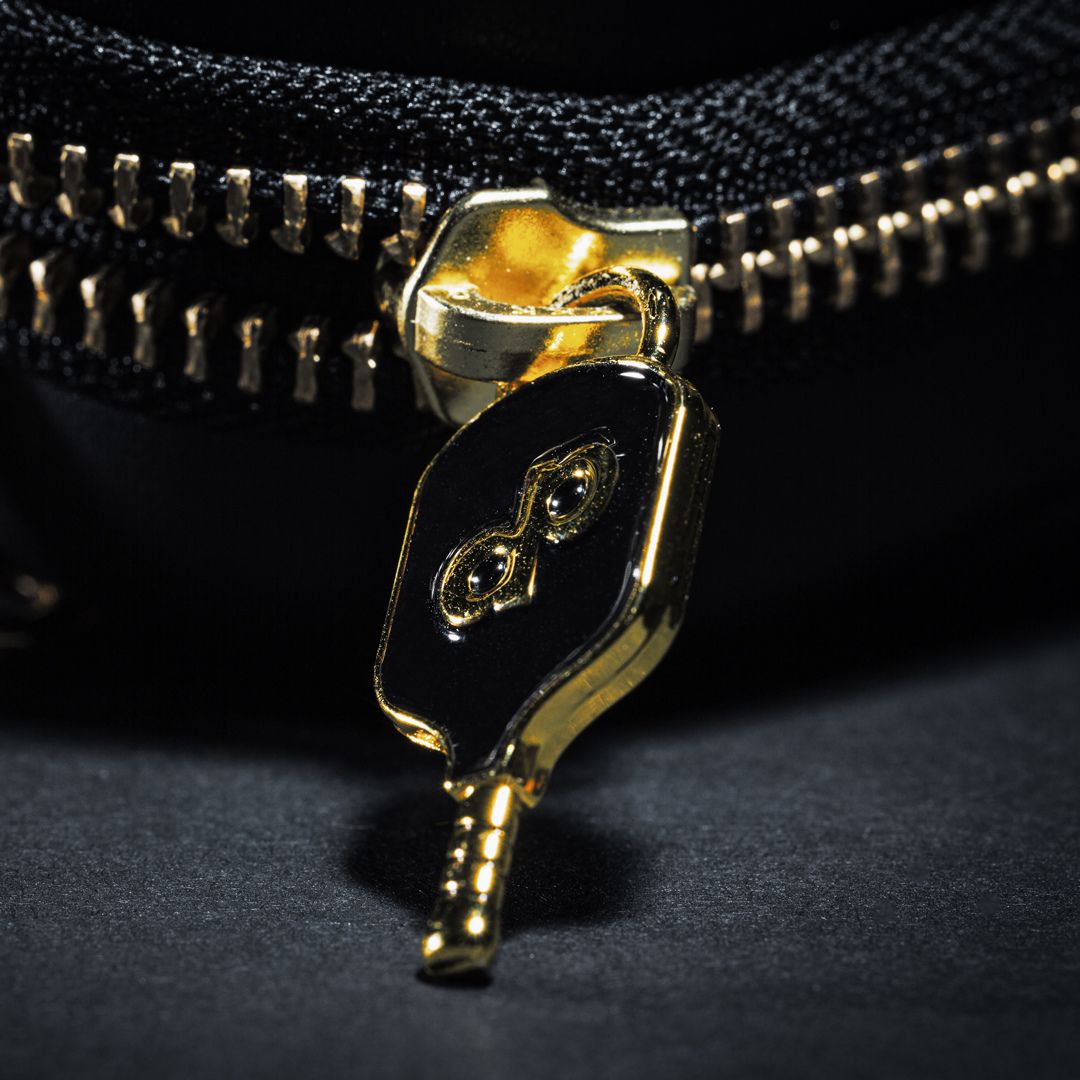
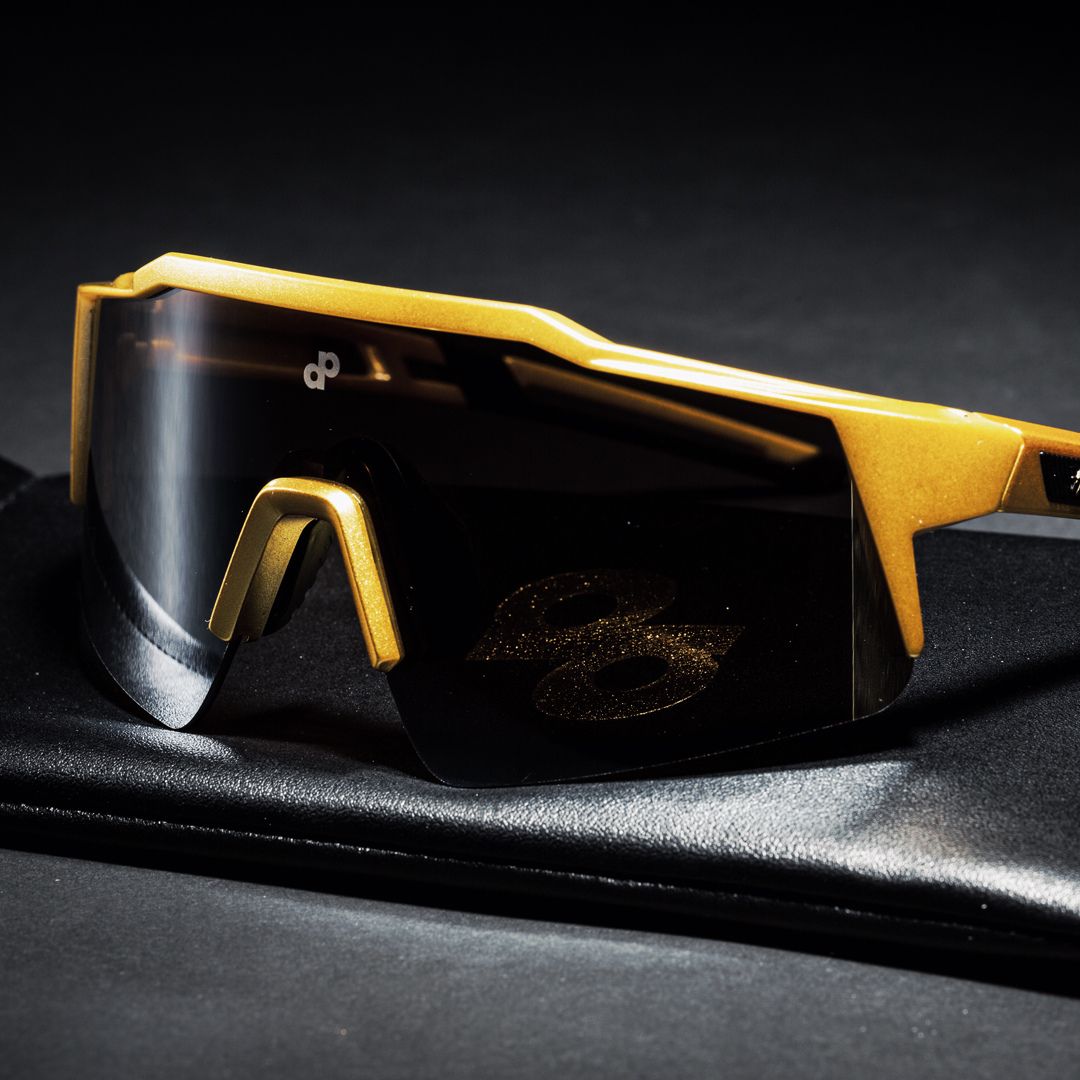
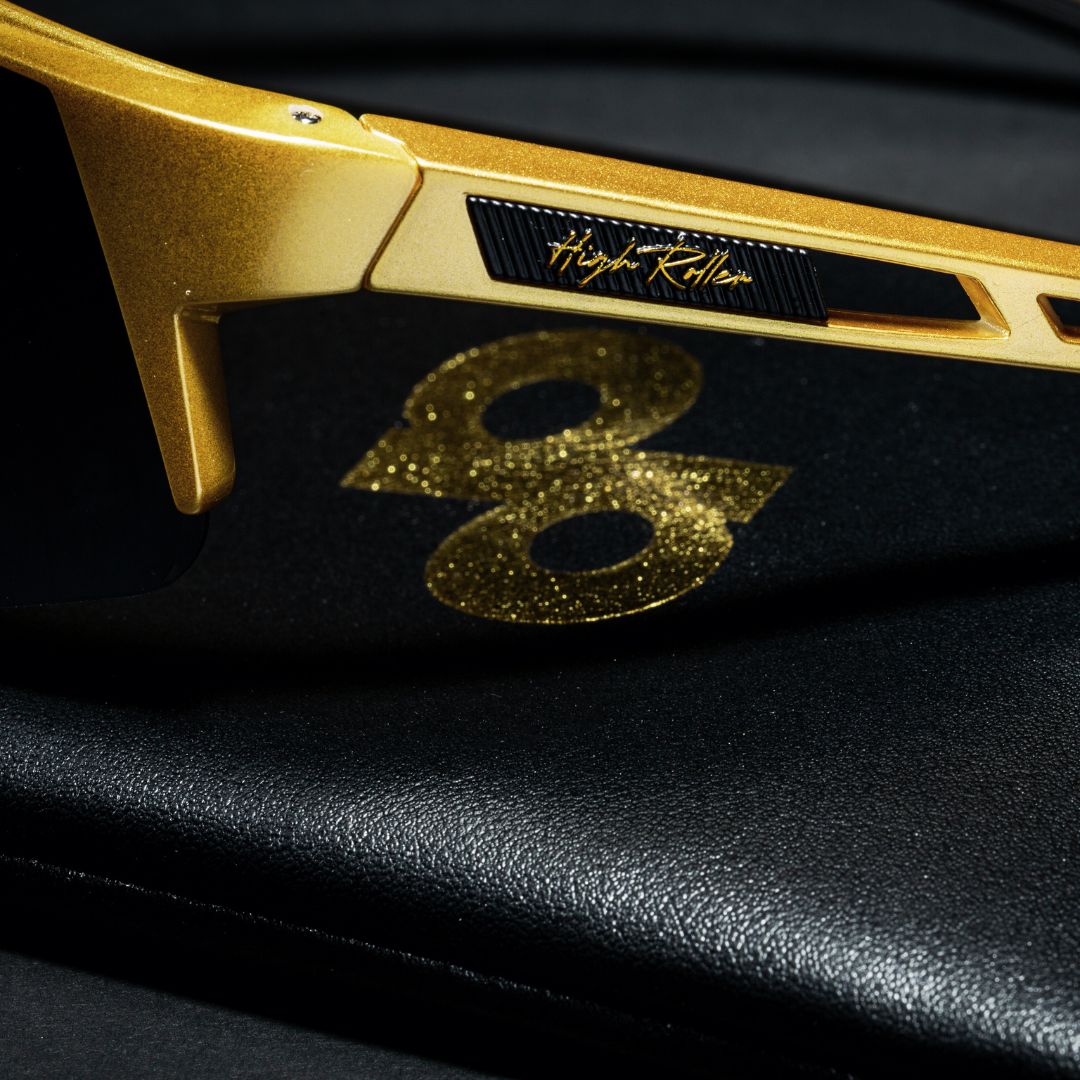
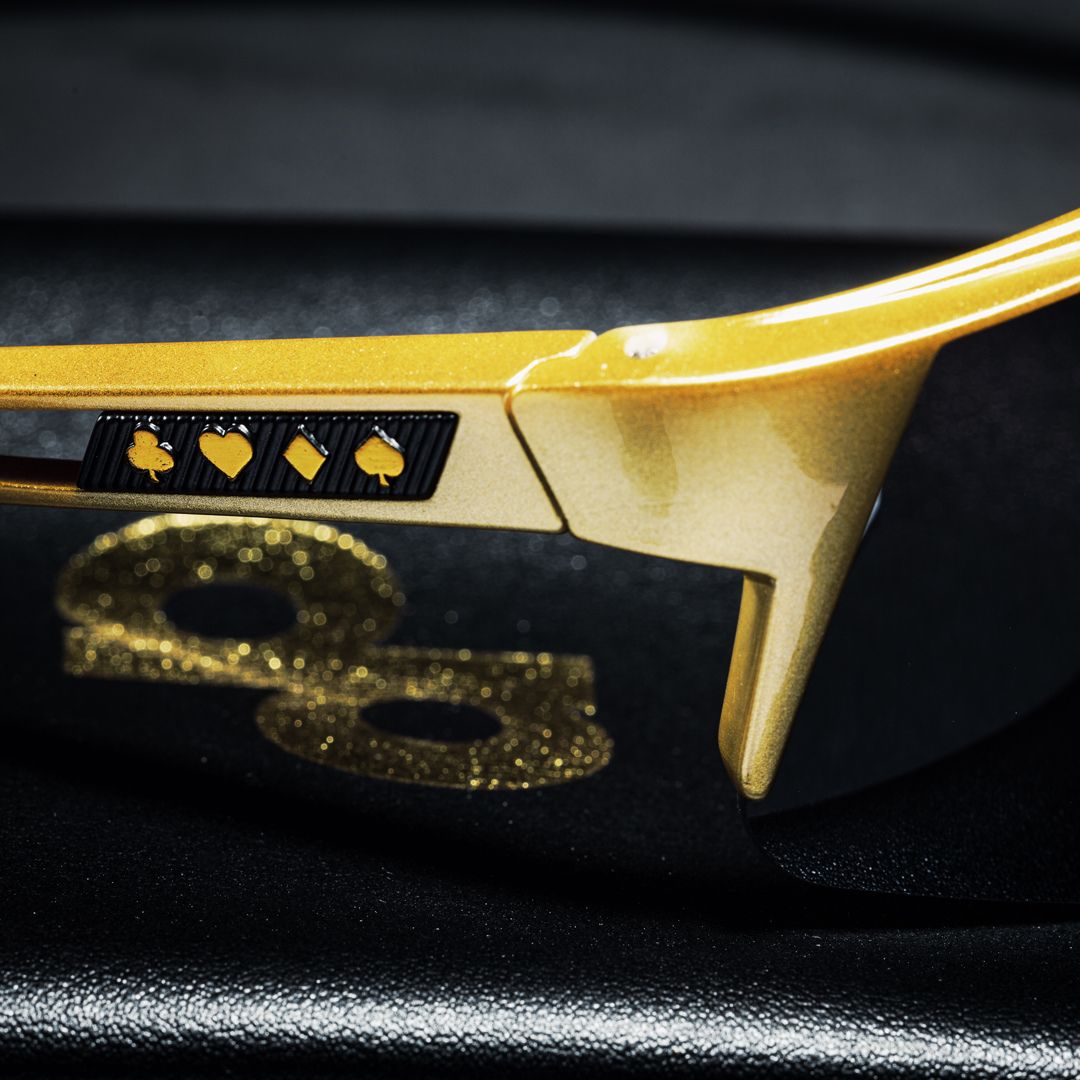
The active High Roller Chrome Gold Paddle page centers design: its ornamental electroplated chrome-gold edge, pressed gold foil, custom grip, metal coin end cap, and NFC authenticity.
The High Roller is not USA Pickleball approved. It is not a candidate for a sanctioned-event shortlist. It can be a candidate for recreational or unsanctioned play where permitted when visual identity is the primary goal. The current editorial product description does not publish enough technical dimensions to make a specific performance-fit claim.
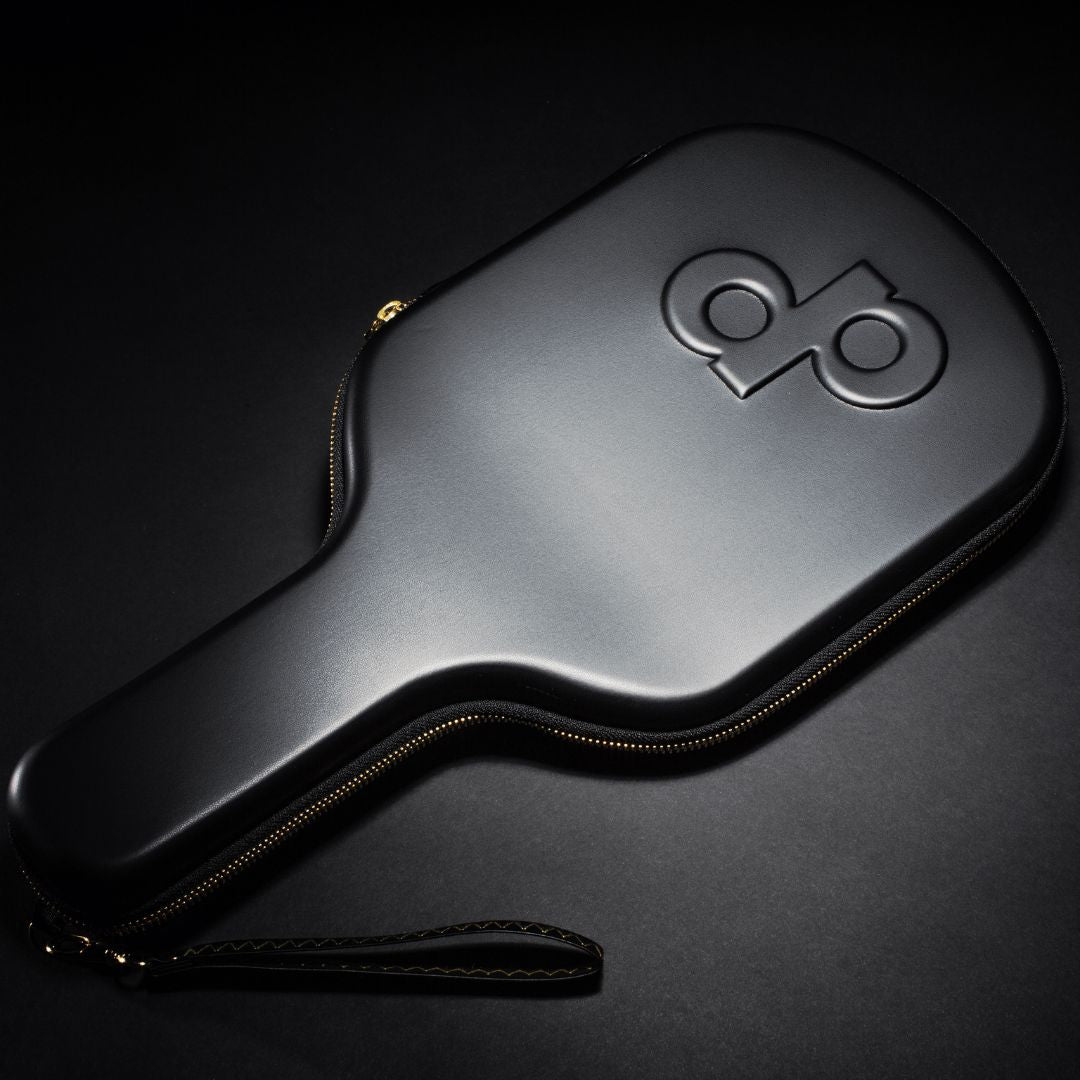
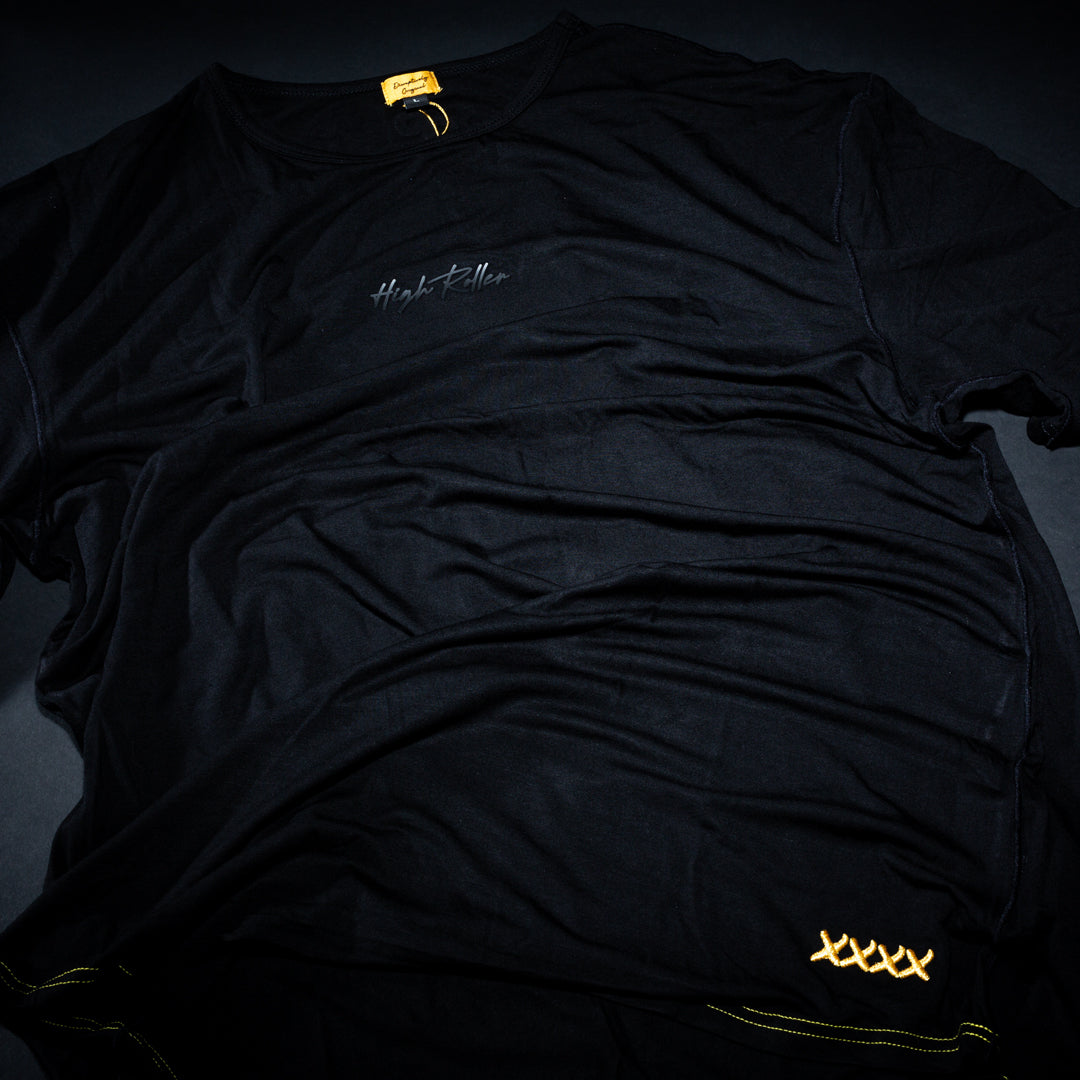
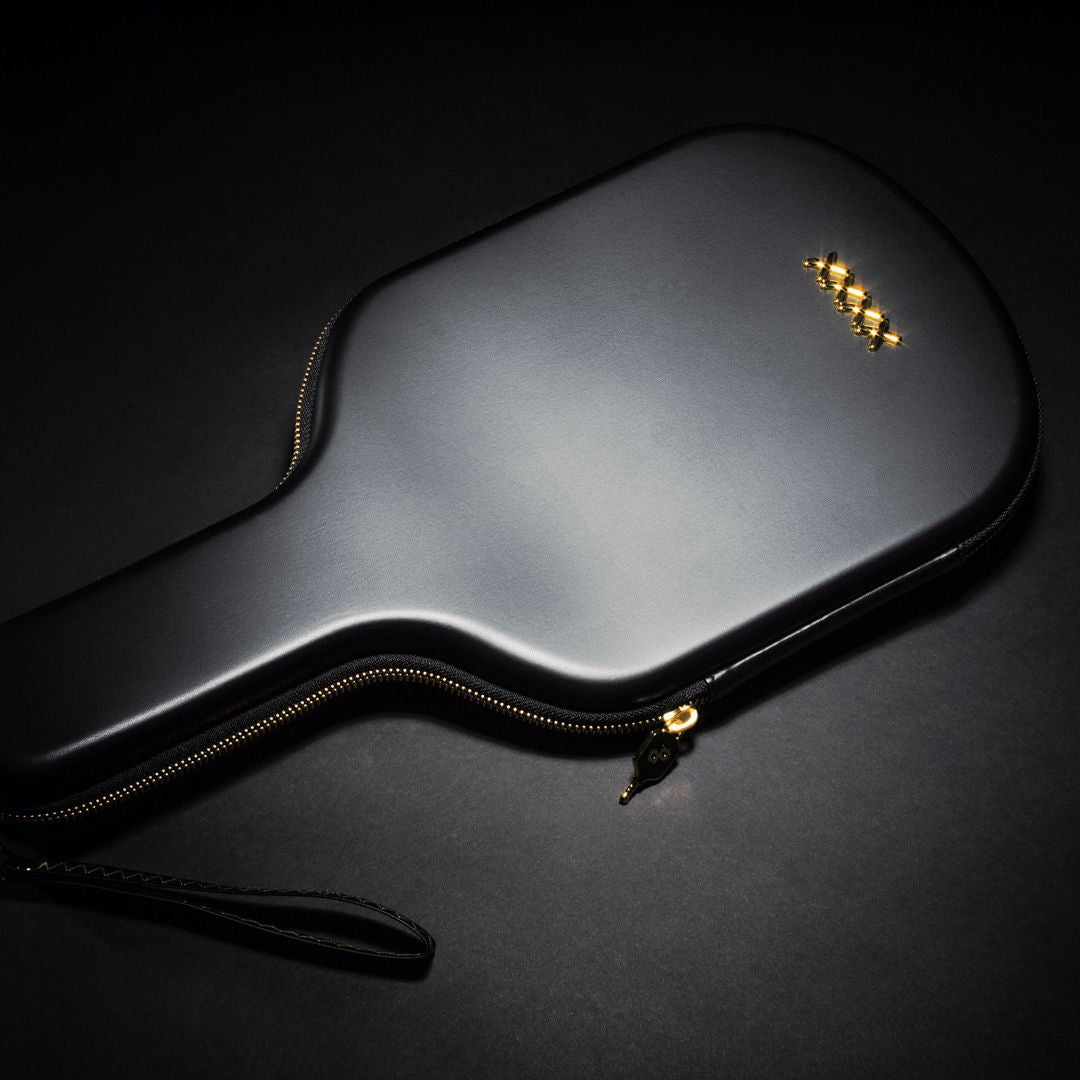
Build the presentation with the fitted travel case, gold glitter ball 4-pack, or High Roller Club Bundle. Verify ball approval separately for sanctioned play.
Frequently Asked Questions
What is the best pickleball paddle in 2026?
There is no universal winner. The best paddle is currently eligible for your setting, fits your hand and movement, and produces repeatable results in a controlled demo.
Are foam-core paddles approved in 2026?
Some foam and hybrid models appear on the current official list, but approval is exact-model specific. Search the model you plan to use.
Is 14 mm or 16 mm better?
Neither is automatically better. Thickness interacts with face, core, shape, balance, and construction; compare the finished paddles.
How often should you recheck paddle approval?
Check before purchase and again near a sanctioned event, along with the event’s current equipment procedures.
Is the High Roller a tournament paddle?
No. The product page states it is not USA Pickleball approved and positions it as a design-first paddle.


Share:
High Roller Club Bundle: What's Included & Who It Fits
Pickleball Bags, Slings & Paddle Cases: 2026 Buying Guide