


- by Dope Pickleball Co.
The Growth of Indoor Pickleball: What Dedicated Facilities Mean for the Sport
- by Dope Pickleball Co.
Pickleball's growth over the past five years has been measured in courts, but the most meaningful shift is happening indoors. The rise of dedicated pickleball facilities, not converted tennis courts and not gym retrofits, is changing what the sport looks like and who plays it.
A purpose-built facility delivers a different experience than six lines taped on a community center floor: better lighting, consistent surfaces, proper acoustics, locker rooms, pro shops, and coaching infrastructure. When the sport grows up around real facilities, player development and community building accelerate with it.
Indoor facilities increasingly operate as membership venues rather than drop-in courts. That brings predictable recurring revenue to the business and real benefits to players: priority court time, organized leagues, coaching access, and a community to belong to. The venues thriving are the ones treating pickleball as a hospitality product, not just a recreation service.
Players at an indoor club tend to take their gear more seriously, because they are on the court several times a week in a setting where presentation matters. They want a paddle that looks as considered as the space they play in. That is exactly who Dope Pickleball builds for.
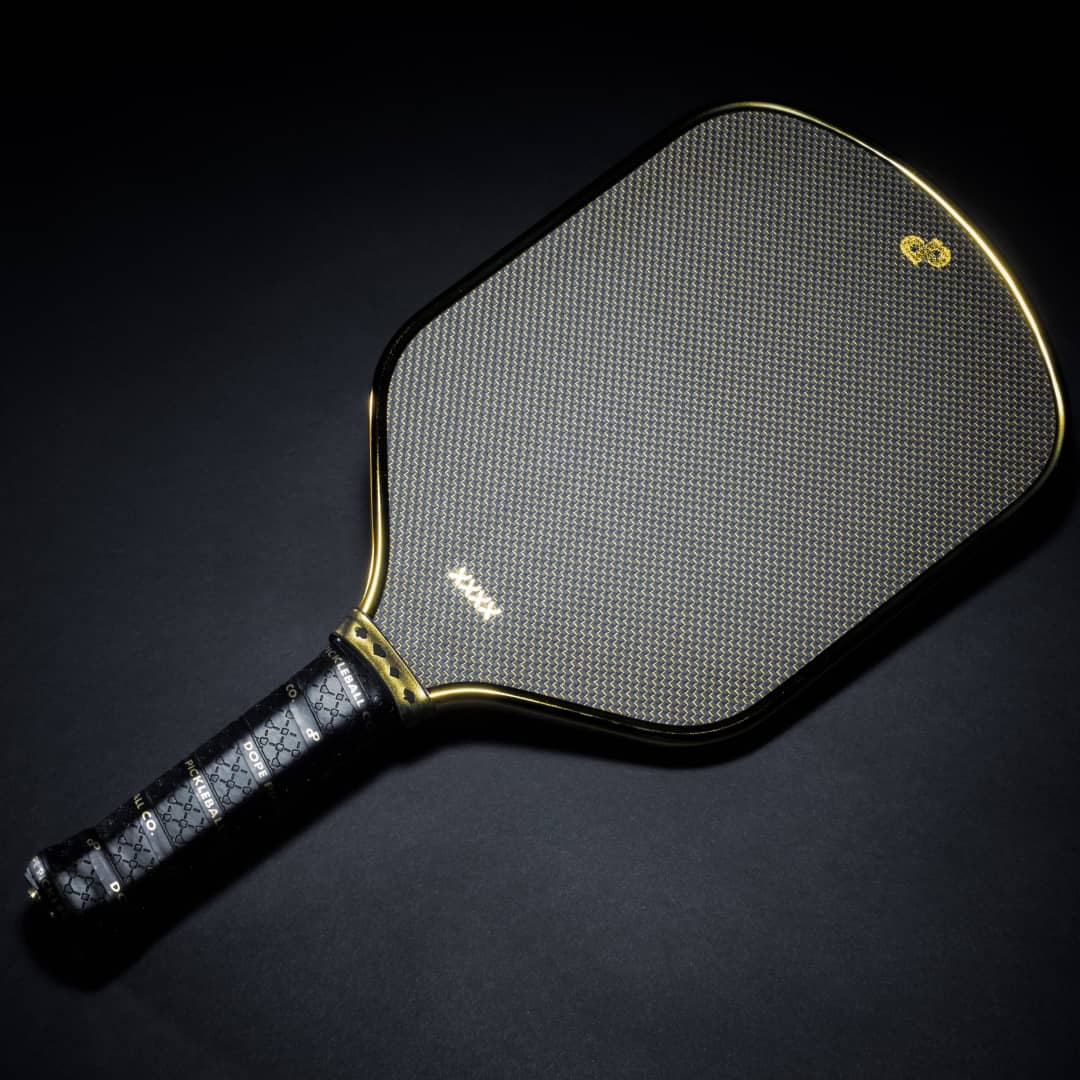
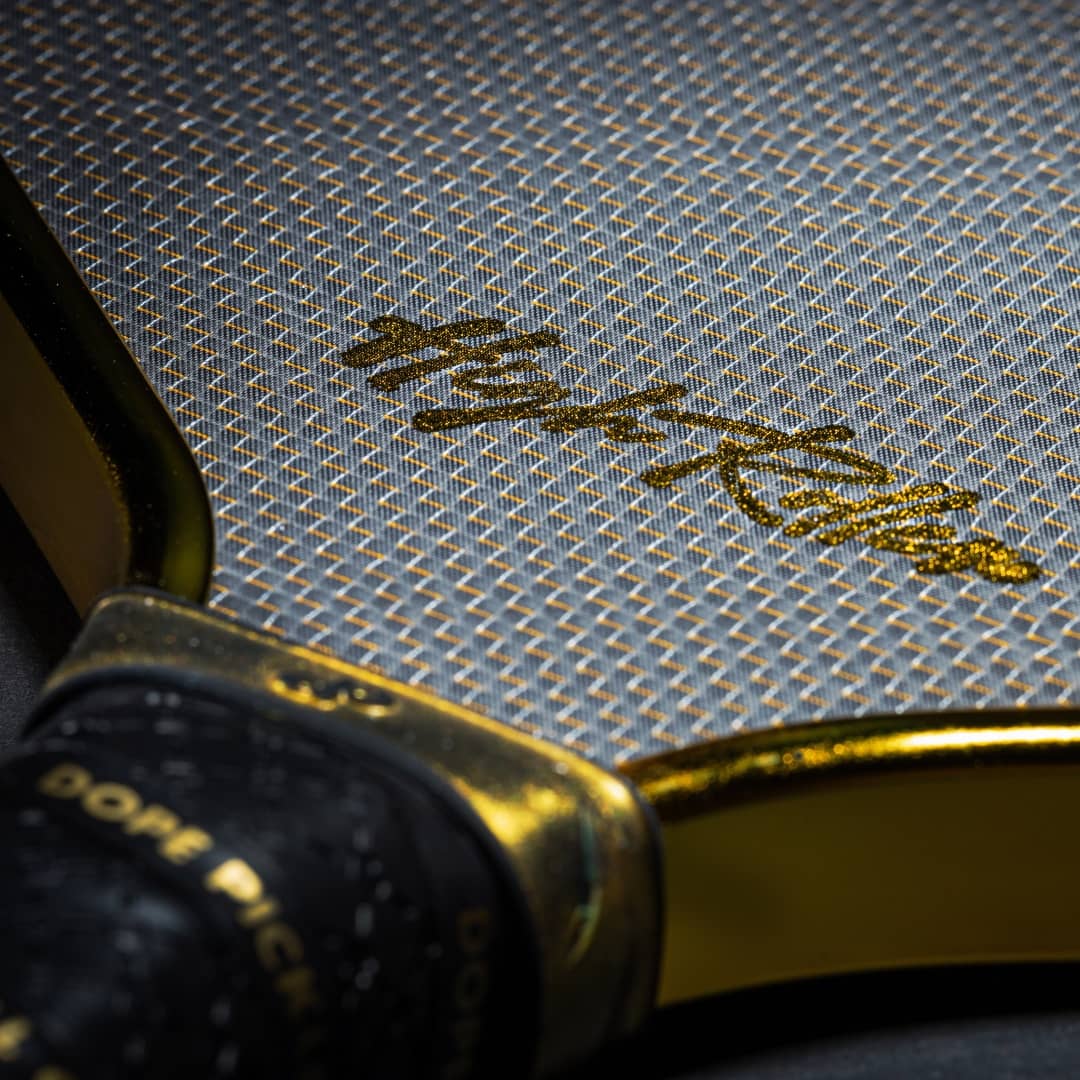
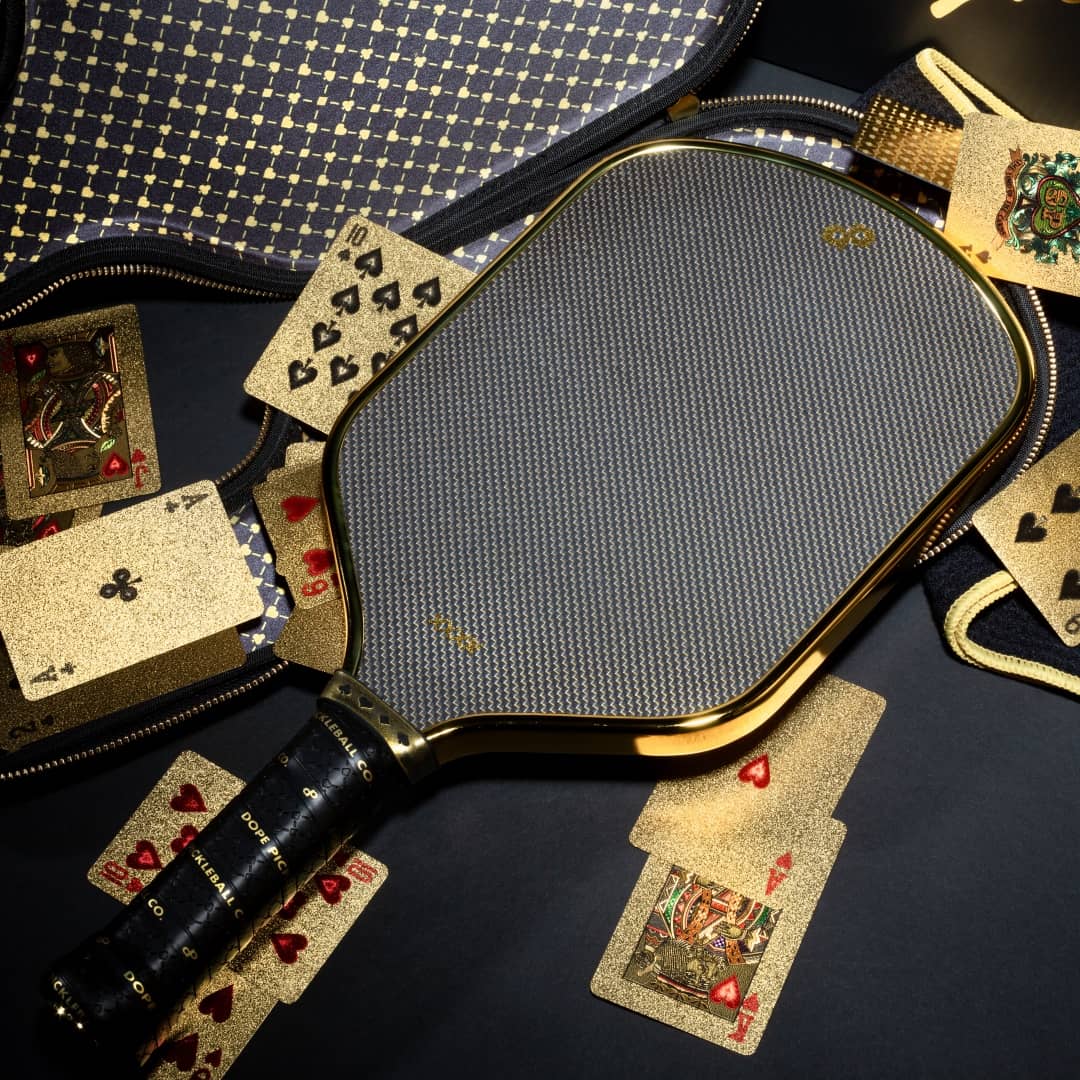
See the High Roller paddle, the Manhattan Mint collection, or the full High Roller Collection.


Share:
The 2026 Pickleball Equipment Market: A Skeptic's Shopping Guide
Tennis to Pickleball: Skills That Transfer and What Changes