

The pickleball equipment market in 2026 is crowded with paddles, balls, bags, eyewear, apparel, bundles, and performance language. The smartest way to shop it is not to ask which brand “leads.” Ask what the exact product is documented to do, where you may use it, which claim has evidence, what is included, and whether the design fits your real reason for buying.
Participation gives the category scale: the Sports & Fitness Industry Association’s 2026 pickleball report says 24.3 million Americans played in 2025. That does not identify a product winner or guarantee demand for any specific brand. It means more players are entering the same market with very different needs.
Segment the Market by Use Before Brand
A sanctioned tournament player, first-time recreational pair, facility operator, collector, gift buyer, and style-driven open-play regular should not receive the same recommendation. Start by defining the use:
- Sanctioned competition: exact-model approval and event rules come first.
- Recreational play: facility permission, group agreement, fit, condition, and documented product details matter.
- Training inventory: repeatable quantities, labeling, storage, and replacement matter.
- Gift or collection: presentation, authenticity, included items, and recipient fit matter.
- Apparel and accessories: sizing, material, compatibility, care, and real use matter.
This prevents a high-visibility product from being recommended for a purpose it does not satisfy.
Approval Is a Model-Level Market Filter
For events requiring USA Pickleball-approved equipment, search the live approved paddle list and approved ball list. Match the exact brand and model. Do not infer status from dimensions, construction language, a 40-hole pattern, another color, professional-looking photography, or prior league use.
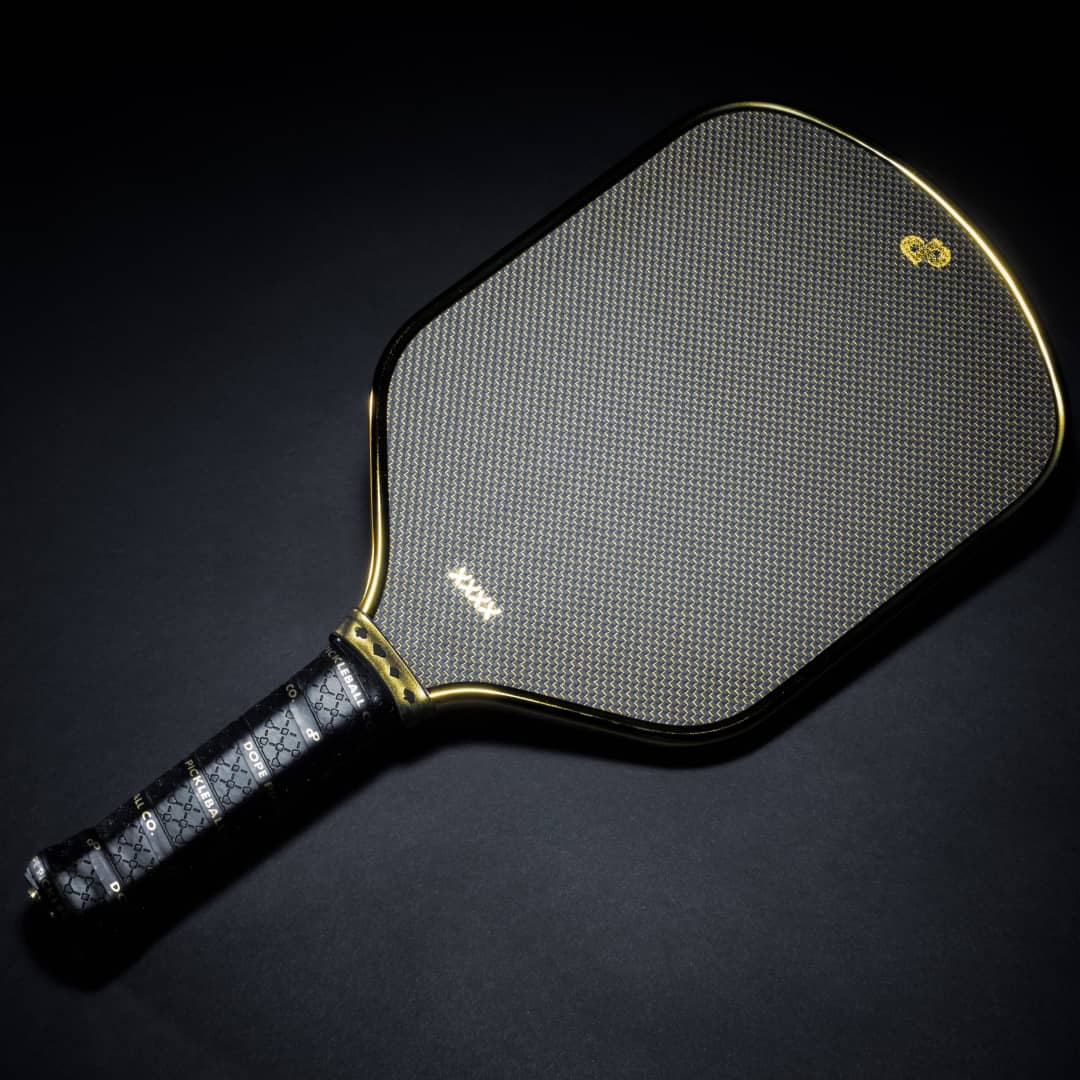
The active DOPE High Roller paddle is not USA Pickleball approved. It belongs in a recreational, unsanctioned, design, display, content, or gift decision where permitted—not in a recommendation whose first requirement is sanctioned eligibility.
Separate Product Facts From Performance Claims
A product page can document materials, dimensions, included items, colors, care, or a compatibility statement. Claims such as more power, spin, control, durability, visibility, safety, or injury reduction require more than a confident adjective.
Ask five questions when a claim matters:
- Which exact product and configuration were tested?
- What outcome was measured?
- Against what comparison and under which conditions?
- Who conducted the test and how large was the sample?
- Does the conclusion match the evidence, or is it personal preference?
A testimonial can describe one person’s experience. It should not be rewritten as a universal result.
Bundles Compete on Clarity as Much as Quantity
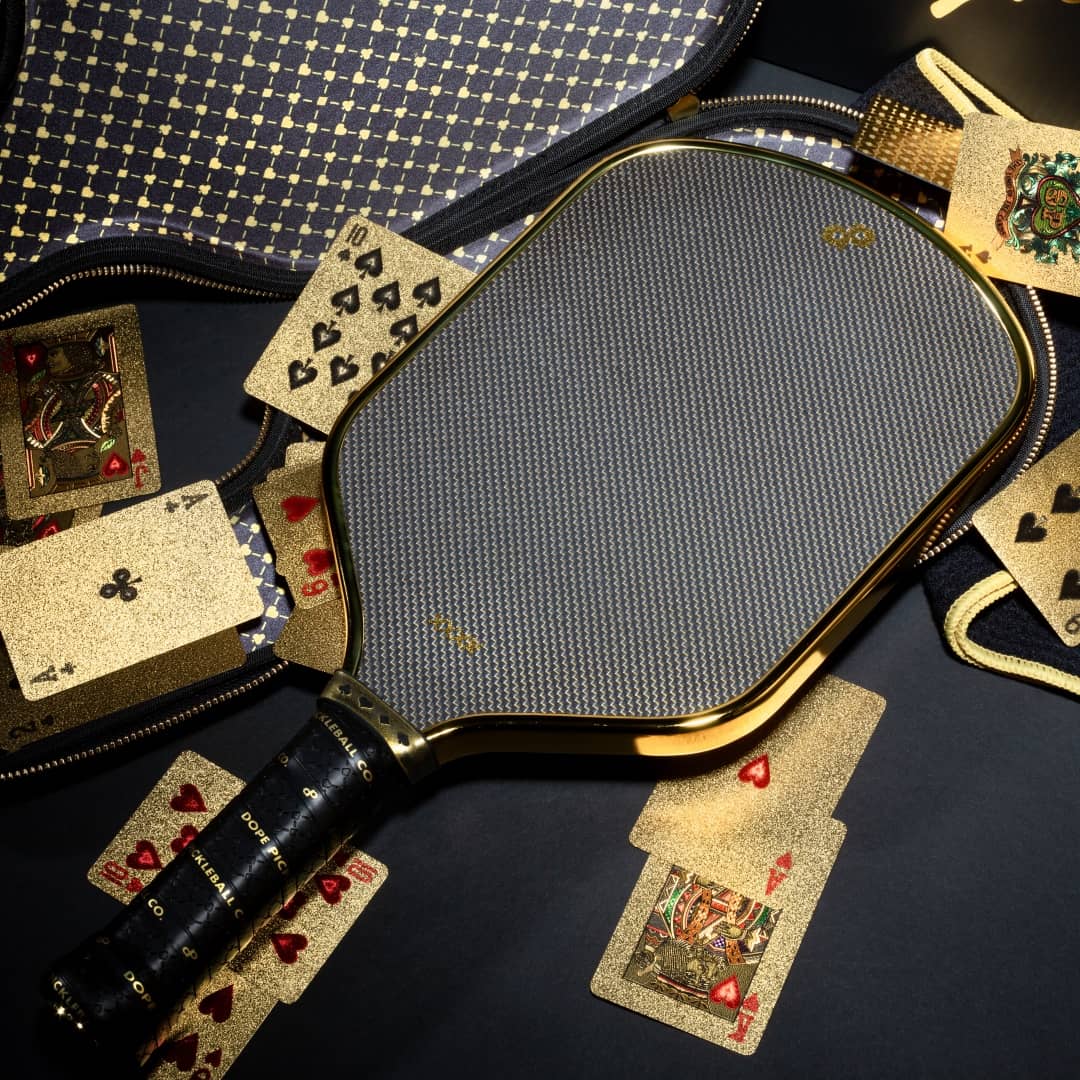
The live High Roller bundle currently describes 14 items, including the paddle, case, shirt, sunglasses, tumbler, towel, two keychains, socks, dice, and two gold balls. Use the live page at checkout because contents, benefits, price, and availability can change.
The listing also currently advertises a lifetime 40% discount, members-only giveaways, and VIP event invitations. Those benefits should be read from the current written terms. Do not turn them into guaranteed savings, guaranteed prizes, guaranteed event entry, a permanent app, or a community service that the listing does not document.
Because the bundle includes the High Roller paddle, the same non-approval boundary applies: it is not USA Pickleball approved and should be used for recreational or unsanctioned play where permitted.
Consumables Need Quantity and Use Checks
For balls, confirm the current pack quantity, base color, model, intended setting, and approval if needed. The mixed pink-and-yellow glitter pack gives recreational groups two colors to test against the actual court background. It does not guarantee universal visibility, flight, bounce, or durability.
Accessories Should Solve a Defined Problem
A fitted case is useful only when it fits the exact paddle. A tumbler is useful only when its documented capacity and care suit the buyer. A shirt must fit the person and conditions. Eyewear needs an even stricter boundary: the High Roller sunglasses listing describes polarized lenses and UV protection but does not state ASTM F803 compliance, an ANSI impact rating, lens material, or a numerical UV category. Do not market them as certified protective sports eyewear.
Calculate the Whole Purchase
Compare the current checkout total, included items, shipping, return terms, warranty, replacement expectations, compatibility, and how much of the bundle you will actually use. Do not copy a sale price into an evergreen article or assume today’s stock will remain available.
For a gift, verify size and recipient needs. For an event, verify approval and arrival time. For a collection, preserve provenance. The “best value” is not the largest item count; it is the purchase that meets the defined use with the fewest unsupported assumptions.
Read a Product Page Like a Record
A trustworthy listing should let the customer identify the exact product and variant, see unaltered images, understand documented materials or dimensions, know what is included, read care and compatibility information, and find current commercial terms. Missing information should remain unknown—not filled by a blog writer’s assumption.
Save the order confirmation and product title when provenance matters. Product names, bundles, variants, and benefits can change after purchase. A dated record helps support a warranty conversation, gift explanation, resale listing, or authenticity review without depending on memory.
Treat Rankings and “Best Of” Lists Carefully
A ranking can be useful only when its method is visible. Look for the tested models, purchase or sponsorship disclosures, player panel, conditions, measurements, comparison criteria, weighting, and publication date. An affiliate list, retailer inventory list, editor’s preference, laboratory test, and sanctioned-approval list answer different questions.
When a creator receives free product, payment, commission, travel, or another benefit, the relationship should be disclosed clearly under current applicable guidance. A disclosure does not invalidate the review; it gives the reader context to evaluate it.
Interpret Market Growth Without Inventing Winners
SFIA’s participation data supports the conclusion that many people are playing. It does not disclose every customer’s spending, prove that every equipment segment is expanding at the same rate, or show which brand has the best product. Retail sales, participation, search attention, social engagement, and tournament use are distinct metrics.
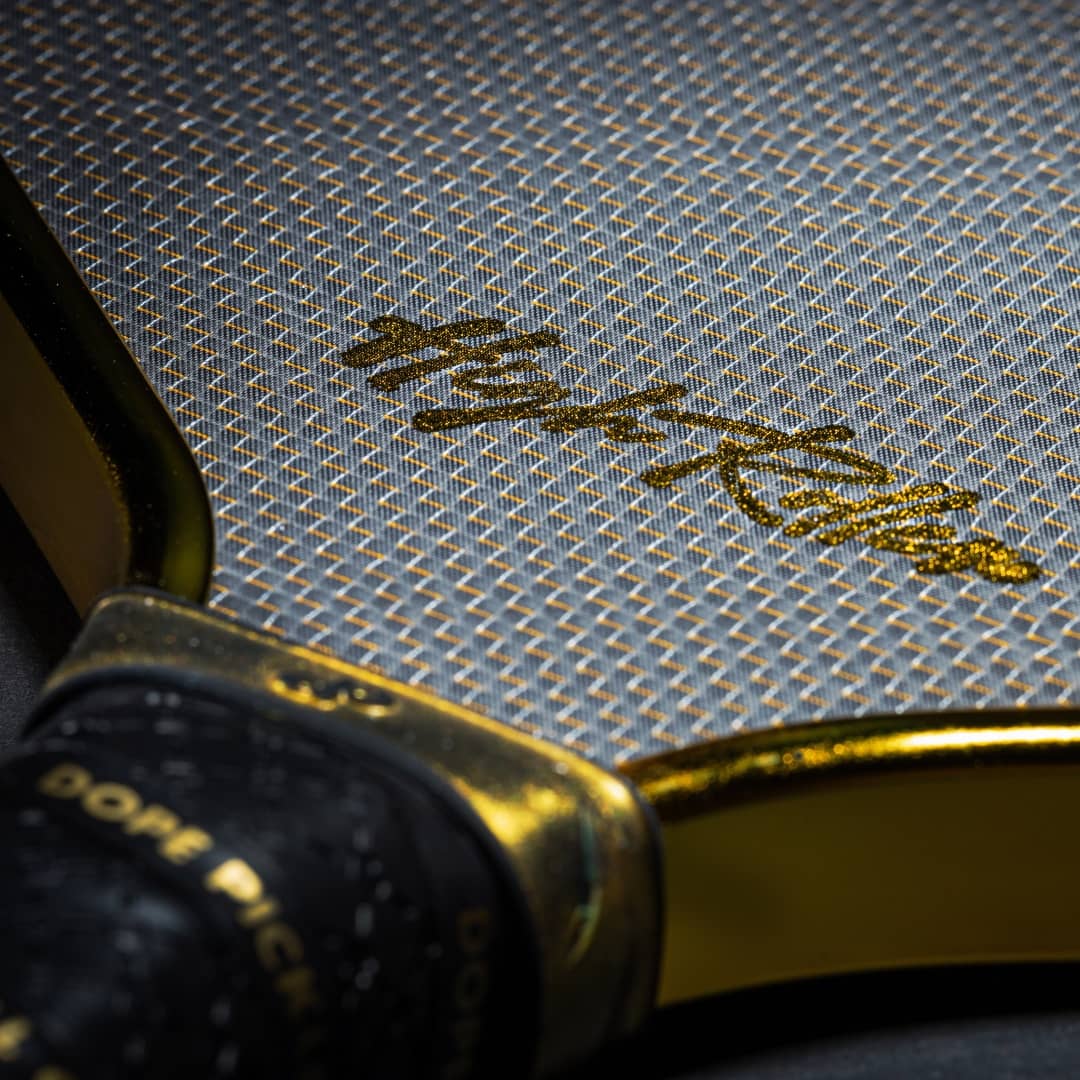
A DOPE market article should therefore promote what the brand can document: a distinctive active catalog, exact photography, current listing details, and clear intended settings. The brand does not need to claim category leadership to offer a recognizable alternative.
A 2026 Pickleball Gear Buying Checklist
- Name the playing, gifting, collecting, or training use.
- Verify exact-model approval when the event requires it.
- Read the current product page and full image gallery.
- Separate documented specifications from marketing language.
- Confirm size, fit, compatibility, quantity, and included items.
- Review checkout price, shipping, returns, warranty, and terms.
- Use original product photos and preserve authenticity records.
DOPE competes most clearly on distinctive product identity. That identity is strongest when buyers see the exact product, understand where it can be used, and choose the design without being asked to believe a claim the evidence cannot carry.
Frequently Asked Questions
What is the best pickleball equipment brand in 2026?
There is no universal winner. Define your use, approval needs, fit, evidence standard, design preference, budget, and current terms, then compare exact products.
Is the High Roller bundle for sanctioned tournaments?
The included High Roller paddle is not USA Pickleball approved. Position the bundle for recreational or unsanctioned play where permitted and verify every event’s rules.
Are the High Roller sunglasses certified protective eyewear?
The listing does not state ASTM F803 compliance, an ANSI impact rating, lens material, or a numerical UV category. Do not describe them as certified protective sports eyewear.


Share:
2026 Pickleball Rule Changes: What Players Need to Know
Indoor Pickleball Facilities: A Player’s Guide