


- by Dope Pickleball Co.
How to Dink in Pickleball: Technique, Placement and Drills
- by Dope Pickleball Co.
A dink is a soft shot intended to land in the opponent's non-volley zone. It can keep the ball below attack height, change the angle, and create a patient exchange. It does not win every point, and there is no single motion that fits every player.
Use a balanced stance that lets you move in either direction. Keep the paddle in front and make space for the ball. Bend through a comfortable range rather than forcing a posture.
Many players benefit from a quiet wrist and a short lift from the shoulder. Keep the paddle face appropriate to the ball and target. The exact angle depends on contact height, spin, pace, and desired trajectory.
Letting the ball get behind the body can make direction and height harder to control. Move the feet when possible and contact the ball where you can see the paddle and target together.
A straight-ahead dink travels a shorter path and can pressure space quickly. A crosscourt dink travels diagonally over a lower part of the net and has more court available. Neither is automatically best; choose based on position and the opponents' balance.
Begin with cooperative straight-ahead dinks. Set a consistency target appropriate to your level, then add crosscourt exchanges and controlled movement. Progress to points only after both players can keep the drill safe and predictable.
Use a wall only where ball striking is permitted and no person, window, vehicle, or property is at risk. Mark a safe target, stand close enough to control the rebound, and practice compact contacts. Time is optional; quality repetitions matter more than a mandatory ten-minute rule.
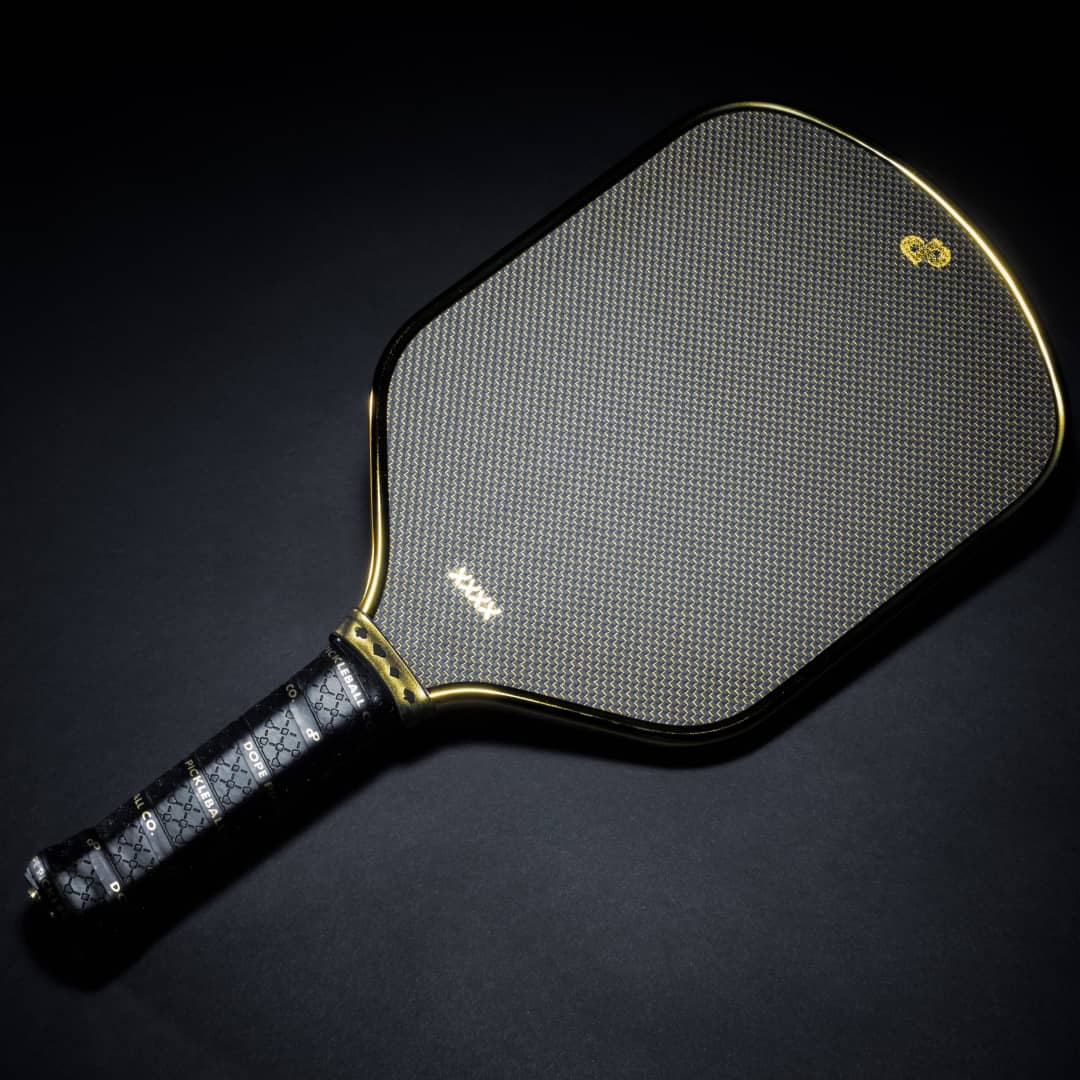
The current High Roller product page does not publish face or core materials and does not provide a comparative test for touch, control, or power. Use it only for documented specifications and design facts.
The non-volley zone and volley rules were checked July 25, 2026 against the USA Pickleball Official Rulebook page. Technique suggestions are general practice ideas, not guarantees or individual coaching.
Continue with five common pickleball habits and the five basic rules.


Share:
5 Tactical Pickleball Mistakes and How to Fix Them