


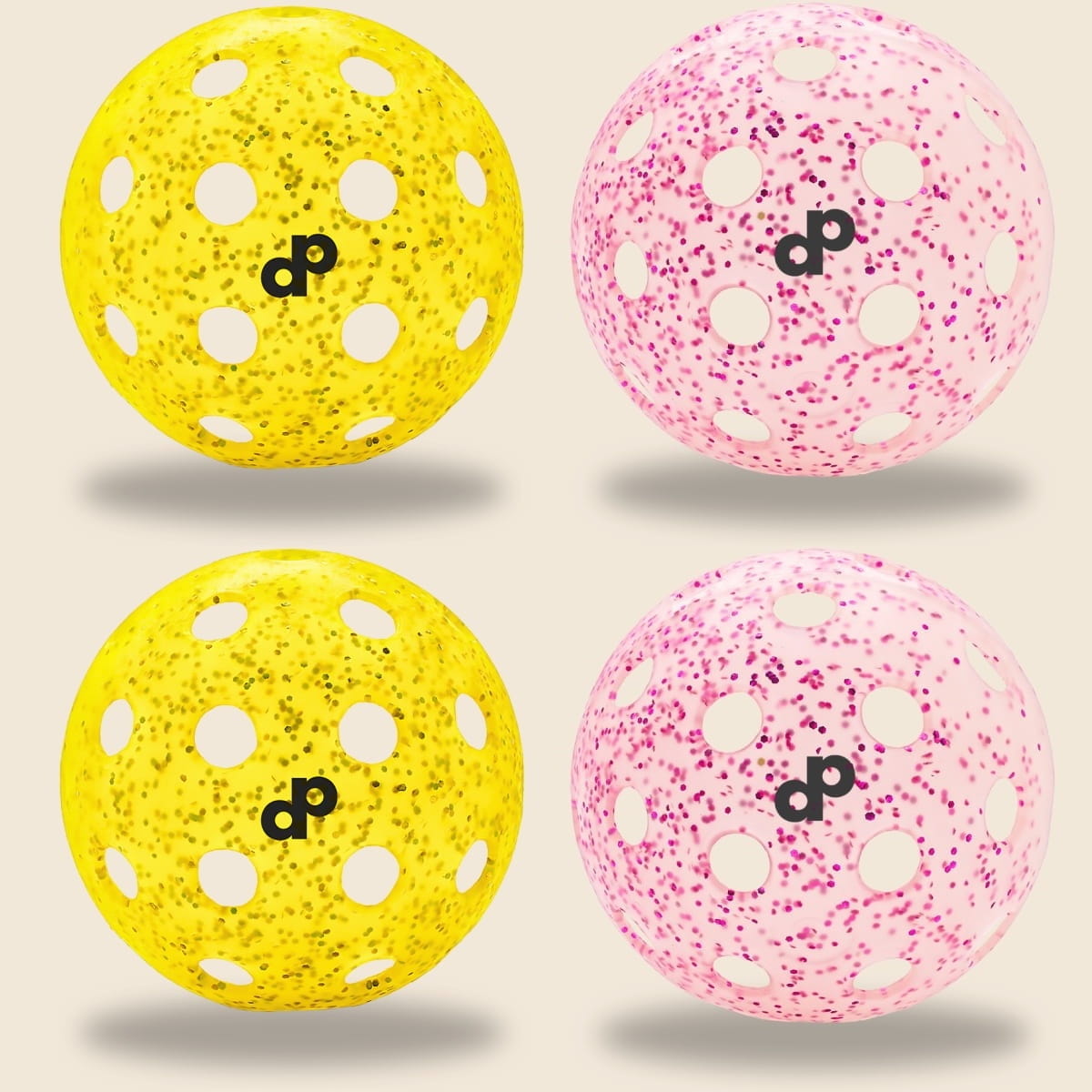
Pickleball got its name from the “pickle boat” idea in rowing, according to the Pritchard family account supported by USA Pickleball. Joan Pritchard saw the new game as a mix of leftover elements from badminton, tennis, and table tennis—like a pickle boat made up of rowers drawn from other crews. The family dog Pickles arrived later and was named after the game, not the other way around.
The dog story is memorable, which is why it survived. The timeline is what separates the two accounts.
The Short Answer
Pickleball was created in 1965 on Bainbridge Island, Washington. Within days, Joan Pritchard used the name “pickle ball.” Her explanation connected the new game’s thrown-together character with the “pickle boat” of crew racing, which assembled available rowers from other boats.
The sport had borrowed an existing badminton court, a perforated plastic ball, table-tennis-style paddles, and ideas from several racket sports. “Pickle boat” captured that mixture.
What Is a Pickle Boat?
In the origin story, a pickle boat refers to a crew assembled from leftover or non-starting rowers from other boats. It is a mixed lineup rather than a single established crew. Joan Pritchard had a connection to rowing and used the comparison for the improvised game her family was developing.
The name therefore describes the game’s construction:
- a badminton-sized court;
- a tennis-like net game;
- solid paddles that recall table tennis;
- a perforated plastic ball;
- new rules that made those pieces work together.
Pickleball is not simply a blend of those sports today. It has its own equipment standards, serving rules, two-bounce requirement, non-volley zone, and scoring formats. But the mixed starting point explains the name.
Why Do So Many People Say It Was Named After a Dog?
The competing version says the Pritchard family’s dog, Pickles, chased the ball and inspired “Pickle’s ball.” It is a perfect anecdote: short, visual, and easy to repeat. The problem is chronology.
USA Pickleball’s historical investigation reports that Pickles was born in 1968, three years after the game was created and named. The Pritchard family maintains that the dog was named after the sport. Family members also acknowledge that Pickles later chased the ball, which may have made the reversed story feel plausible.
Some early interviews and retellings helped the dog account spread. A better story is not always better evidence.
The Timeline Test
| Event | Date | What it suggests |
|---|---|---|
| Game created on Bainbridge Island | Summer 1965 | The activity exists |
| Joan Pritchard uses “pickle ball” | 1965 | The name exists during the first summer |
| Pickles the dog is born | 1968, according to USA Pickleball’s reported evidence | The dog cannot be the 1965 source of the name |
Historical stories can contain conflicting memories. In this case, the family account, reported timing, and pickle-boat explanation align: the game came first, then the dog.
Why the Dog Myth Survived
Origin stories spread through repetition, not footnotes. “A dog chased the ball” is easier to picture than a rowing term many people have never heard. It turns an unfamiliar word into a complete story in one sentence, and it gives the sport a friendly mascot. Once that version appeared in interviews and articles, later writers could cite one another without returning to the family timeline.
The myth also contains a piece of truth: Pickles was a real family dog, and family accounts say the dog did chase balls after joining the household. The error is the direction of naming. A real dog associated with the game became the supposed source of a name that already existed.
Responsible history separates three claims:
- Confirmed setting: the game and name date to Bainbridge Island in 1965.
- Founding-family explanation: Joan Pritchard referenced pickle-boat crews.
- Later popular anecdote: Pickles the dog inspired the name.
The first two fit the reported dates. The third does not. That is why this guide describes the pickle-boat account as the documented explanation while acknowledging that the dog story remains part of popular pickleball folklore.
What Do the Most Relevant Sources Say?
USA Pickleball
USA Pickleball’s name-origin report credits Joan Pritchard, describes the pickle-boat reference, and reports evidence placing the dog in 1968.
The founding family
The Pritchard family history represents the oar as a symbol of the pickle boat that inspired the sport’s name.
Bainbridge Island history
The Bainbridge History Museum confirms the place and 1965 origin of the sport. That local timeline supports the context in which the name appeared.
Was It “Pickle Ball,” “Pickle-Ball,” or “Pickleball”?
Historical materials use more than one form. The early phrase is often rendered “pickle ball,” and the company name used “Pickle Ball Inc.” Hyphenated “Pickle-Ball” also appears in historical branding. Modern governing bodies and common usage generally treat pickleball as one word.
For present-day search, writing, and product copy, “pickleball” is the clean default unless you are quoting a historical name.
What the Name Says About the Sport
The name is unusual because the origin was unusual: a family did not begin with a market category or a product launch. They assembled a playable idea from what was available, then refined it. The result proved distinct enough to outgrow every borrowed piece.
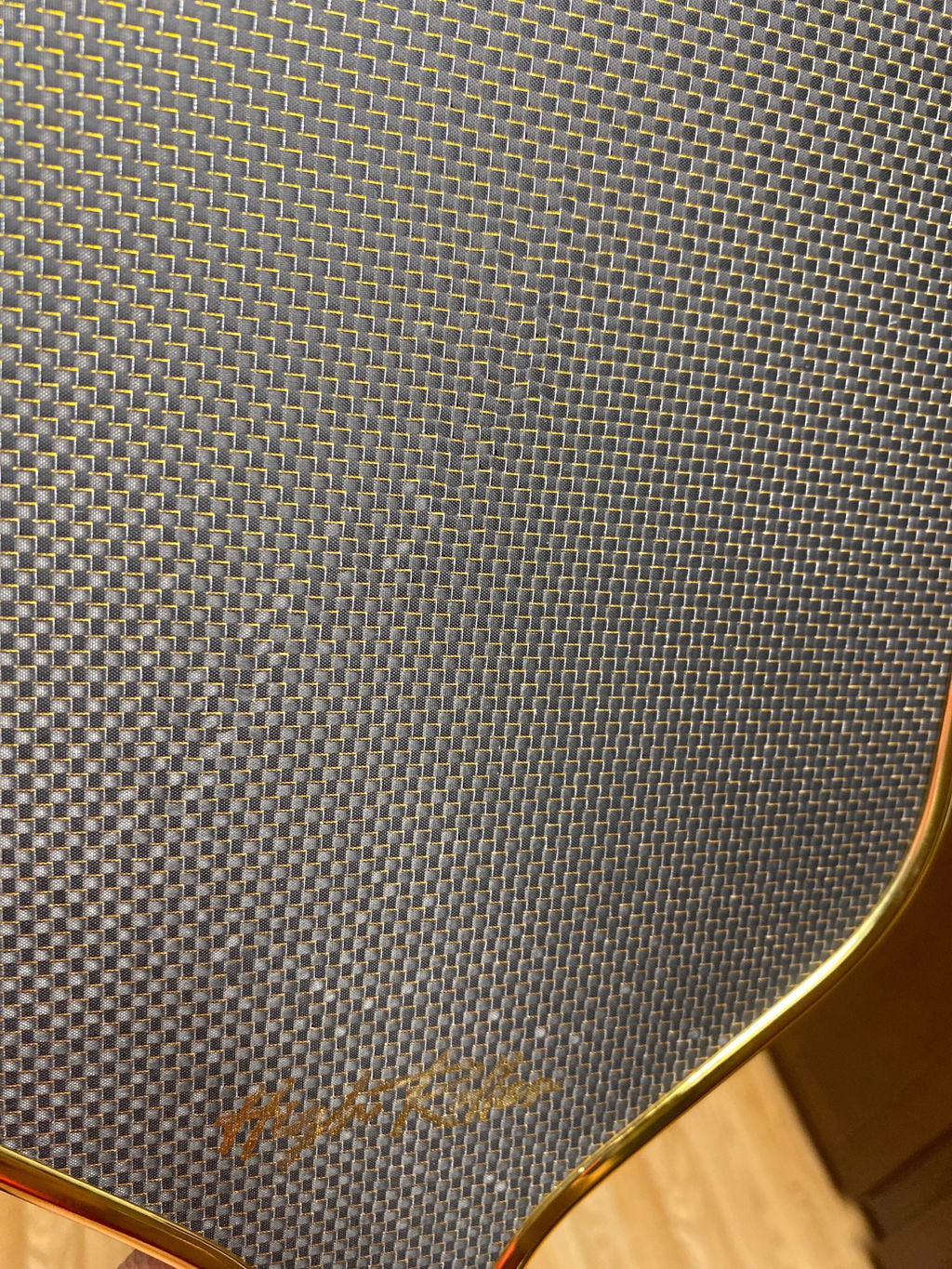
DOPE takes the opposite approach to the gear presentation: make the final setup look intentionally connected. The High Roller Club Bundle coordinates the recreational paddle, case, ball, apparel, and accessories around one black-and-gold identity. The High Roller paddle is not USA Pickleball approved and should be used only in recreational or unsanctioned settings where permitted.
Read the wider 1965 story in When Was Pickleball Invented?, or learn the game itself in What Is Pickleball?
How to Evaluate Competing Pickleball Name Stories
Origin stories spread because they are memorable, not necessarily because they are well sourced. To evaluate the pickleball name debate, start with chronology. The game dates to 1965. The documented family timeline places the dog Pickles later. If an explanation requires the later event to cause the earlier name, the dates do not work.
Next, distinguish a participant’s account from a story repeated by someone with no direct connection. Joan Pritchard’s pickle-boat explanation comes from the founding family and also fits the improvised nature of the first game: elements from badminton, table tennis, and other racket sports were assembled into something new. The dog story may still describe how the pet became associated with pickleball, but association is not the same as naming origin.
Finally, preserve uncertainty honestly. Historical writing should identify the strongest documented account and explain why it is stronger, not pretend that every retelling carries equal evidence. That approach makes an SEO answer more useful, too: a reader searching “why is it called pickleball,” “was pickleball named after a dog,” or “what is a pickle boat” receives the conclusion, the timeline, and the method for checking it—all without turning a charming anecdote into a false fact.
Frequently Asked Questions
Why is pickleball called pickleball?
Joan Pritchard compared the improvised mix of sports to a pickle boat made up of rowers drawn from other crews.
Was pickleball named after a dog named Pickles?
The documented Pritchard family account says no. USA Pickleball reports that the dog was born in 1968, after the game was named.
Who named pickleball?
Joan Pritchard is credited with naming the game in 1965.
Where did the name originate?
It originated on Bainbridge Island, Washington, where the game was created.
Is pickleball one word?
Modern usage generally writes pickleball as one word, though historical materials include “pickle ball” and “Pickle-Ball.”
Share:
Pickleball Etiquette: Line Calls, Open Play & Sportsmanship
Pickleball Score-Calling Etiquette: Who Calls It and How to Correct It