


The 2026 USA Pickleball rulebook does not reinvent the game. It tightens several situations that regularly create arguments: spin on the serve, delayed line calls, accidental multiple contacts, spectator involvement, round-robin standings, and conduct before a match begins.
If you play sanctioned events, referee matches, or simply want your open-play group to stop debating rules between rallies, these are the updates worth knowing. This guide explains the practical effect as of July 16, 2026; the 2026 USA Pickleball Official Rulebook remains the authority.
The 2026 Rule Changes at a Glance
- You still cannot deliberately add spin with your hand when releasing the ball for a serve, but spin from the paddle at contact can be legal.
- Line calls must be prompt; a player cannot wait for the next exchange before deciding the previous ball was out.
- A continuous, single-direction stroke can contact the ball more than once; two partners still cannot both hit the return.
- Spectators must not be consulted for line calls.
- Tournament players should review updated round-robin, withdrawal, and conduct procedures.
Serve Spin: Release and Contact Are Different
The rulebook distinguishes pre-contact manipulation from spin created by the stroke. A server must not use a hand, body part, or paddle to deliberately add spin before striking the ball. Natural rotation during release is expected, and the written exception for allowing the ball to roll off the paddle face by gravity should be read exactly as the rulebook states it.
Spin produced when the paddle contacts the ball can be legal if the serve satisfies the other applicable requirements. In plain language: no pre-spin trick during the release; normal rotation generated by a legal swing is not automatically a fault.
What Players Should Watch
Do not judge a serve only by how sharply the ball moves after the bounce. The important questions are how the ball was released, whether the server deliberately imparted pre-contact spin, and whether the rest of the serve was legal. A legal paddle path can create rotation.
Line Calls Must Be Prompt
The 2026 language makes timing harder to stretch. Players must signal an out ball promptly by voice, a visible hand signal, or both. If a player returns the ball, the call needs to occur before the opponent hits it or before the ball otherwise becomes dead. The rule does not create a strategic pause while a player waits to see whether the rally outcome is favorable.
For open play, the best habit is simple: call “out” clearly and immediately. When doubles partners disagree, the team’s call is in. That can feel unforgiving on a close ball, but it keeps uncertainty from becoming a retroactive decision.
A Continuous Multiple Contact Can Be Legal
One player can legally contact the ball more than once when the contacts occur during one continuous, single-direction stroke. This is the uncommon mishit that stays on one swing path—not permission to catch, carry, stop, or redirect the ball.
The doubles boundary remains clear: if both partners contact the ball on the return, the team commits a fault. “One continuous stroke” applies to one player’s motion, not a shared rescue attempt.
Spectators Are Not a Replay System
The rule now says players must not consult spectators on line calls. A friend beside the fence may have enthusiasm and a favorable angle, but that person is not part of the officiating crew. In an unofficiated tournament match, use the event’s referee or tournament-director process rather than polling the crowd.
Tournament Procedures Worth Reading Before Check-In
Round-Robin Tiebreakers
The updated procedure adds total points scored across all matches as a later tiebreaker in qualifying situations. The official change language also limits how that method applies across unequal pools. Because formats differ, read the published event format instead of assuming the same tiebreak sequence applies everywhere.
Withdrawals, Retirements, and Forfeits
When a singles player or doubles team withdraws, retires, or is forfeited from a round-robin event, the rulebook explains how the results are treated for standings and advancement. A result’s effect on event standings may differ from its effect on a rating record. Ask the event desk before withdrawing if the consequence is unclear.
Conduct Before the First Serve
Officials can address behavior while players are in the vicinity of the court before the match begins. Warm-up, check-in, and the pre-match period are not consequence-free spaces. Respectful conduct starts before the score is called.
Equipment Eligibility Is a Separate Check
Knowing the rules does not make every paddle or ball eligible for a sanctioned event. Search the live USA Pickleball approved paddle list and approved ball list for the exact brand and model, then read the event instructions.
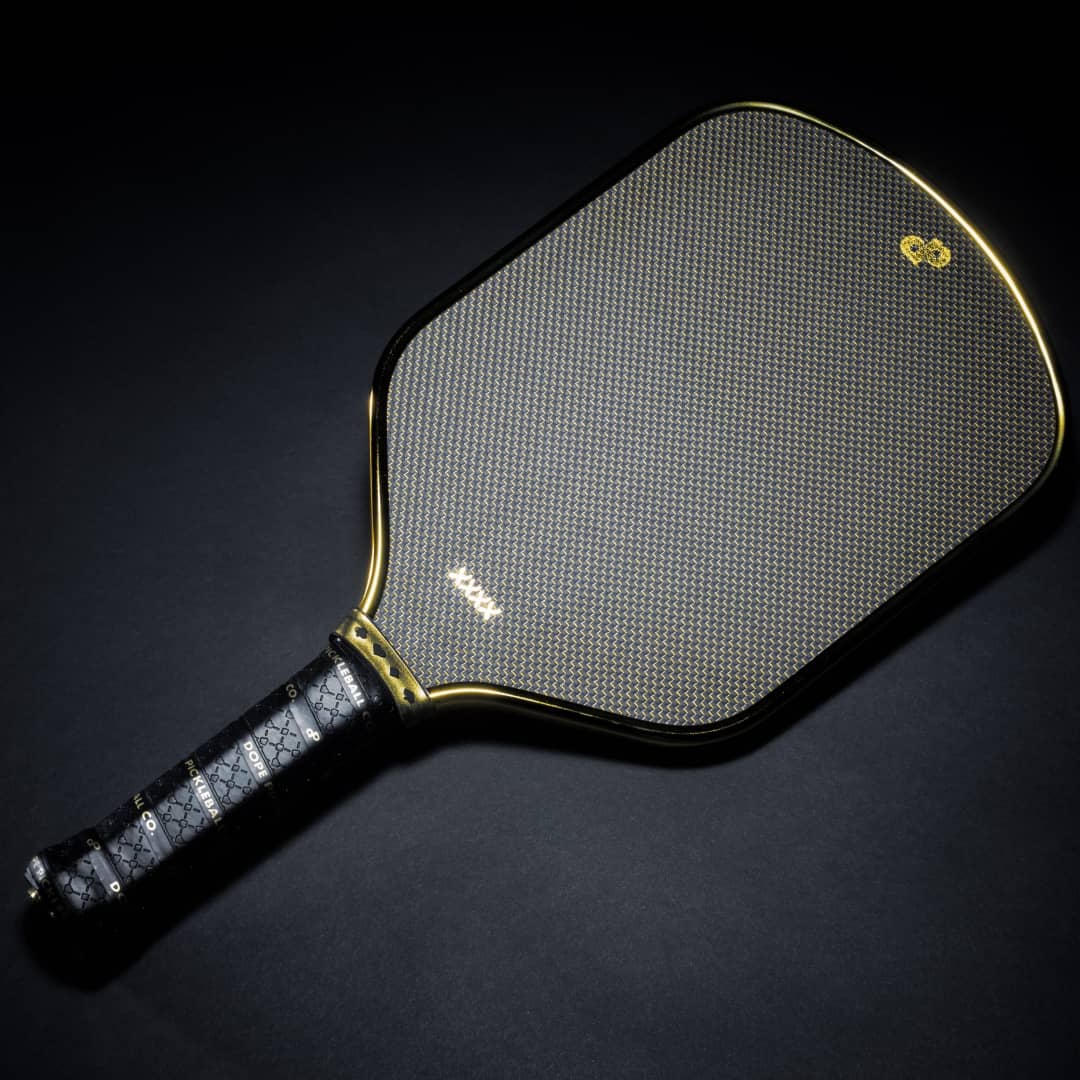
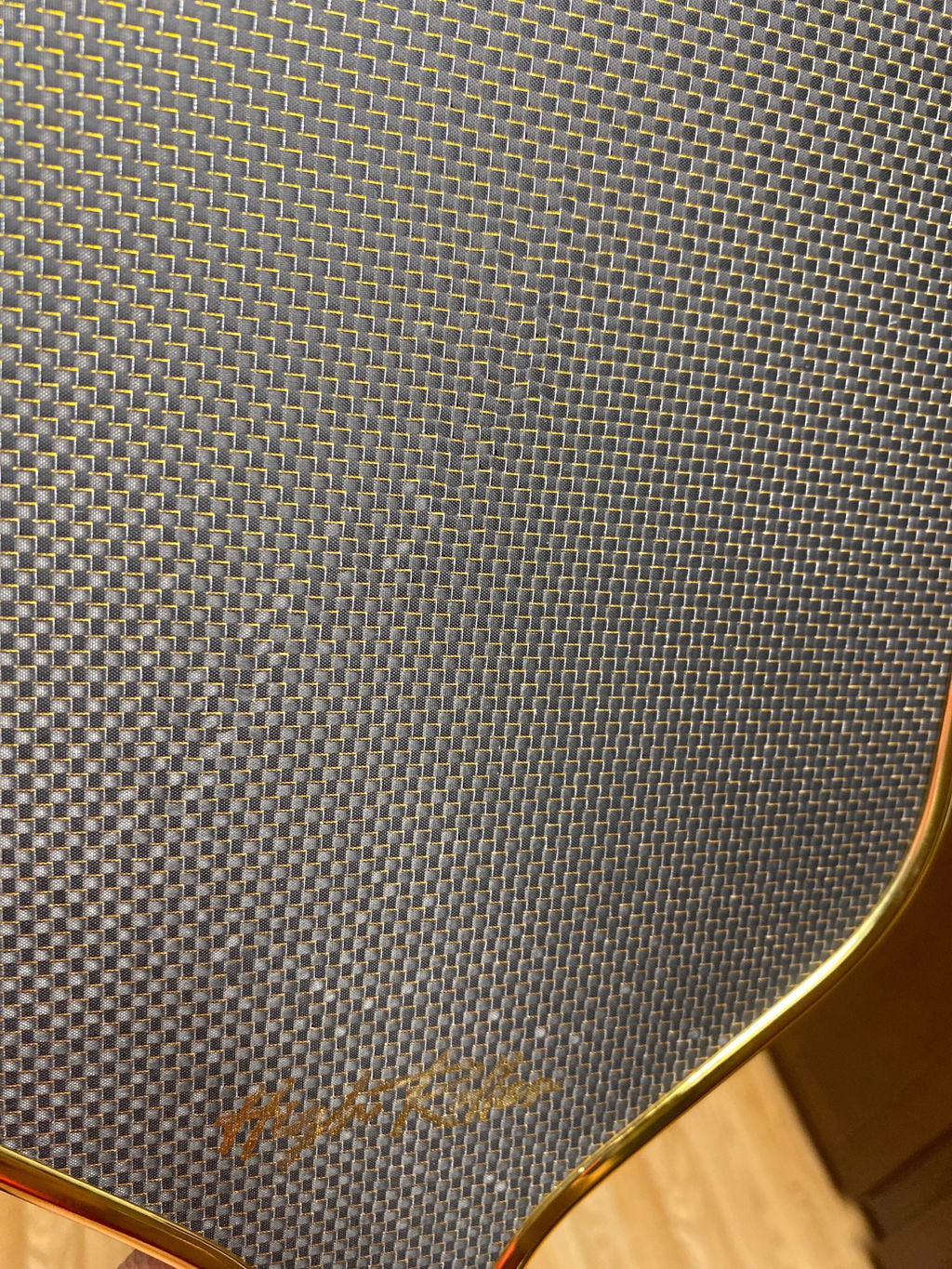
The active High Roller Chrome Gold Paddle is not USA Pickleball approved. Position it for recreational or unsanctioned play where the facility, organizer, and participants permit it—not for a sanctioned bracket that requires an approved model.
The same model-level check applies to the pink and yellow glitter-infused ball bundle. Do not infer approval from a 40-hole pattern, color, size, packaging, or prior use. Use the official list and the tournament director’s instructions.
A Better Match-Day Rules Routine
- Open the current rulebook rather than relying on a screenshot or old post.
- Read the event format and confirm scoring, timeouts, brackets, and tiebreakers.
- Verify the exact paddle and ball models against event requirements.
- Release the serve without deliberately adding pre-contact spin.
- Make line calls immediately and treat partner disagreement as in.
- Keep spectators out of calls and use the official escalation path.
- Ask questions before play starts, when a clarification can still prevent a dispute.
The best rule update is the one you understand before it decides a close game. Read the official language, ask event-specific questions early, and save the courtroom energy for somewhere without a kitchen line.
How to Resolve a Rules Disagreement Without Derailing Play
Pause before the next serve, identify the disputed action, and look up the current numbered rule rather than arguing from memory. In an event, ask the referee or tournament director through the published procedure. In recreational play, the group can agree how to resume, but a house agreement should be labeled as a local practice—not presented later as the official rule.
After the session, save the official rulebook link and record the rule number. That small habit turns a recurring argument into a shared reference and helps everyone apply the same standard next time.
Frequently Asked Questions
Can a pickleball serve have spin in 2026?
Spin created by a legal paddle strike can be allowed, but the server must not deliberately add spin to the ball before contact. Read the current rulebook for the exact release and serve requirements.
Can spectators help with a line call?
No. The 2026 rulebook says players must not consult spectators on line calls. Use the event’s referee or tournament-director process when one is available.
Is the High Roller paddle approved for USA Pickleball events?
No. Its current product listing says it is not USA Pickleball approved. Use it for recreational or unsanctioned play where permitted and verify every event’s equipment rules.
Does a 40-hole pickleball automatically qualify for sanctioned play?
No. Hole count, dimensions, color, or appearance do not establish approval. Search the live approved-ball list for the exact model and follow the event instructions.
Share:
Pickleball Court Construction: A Community Planning Guide
Pickleball Equipment Market 2026: A Buyer’s Guide