

Tennis is usually harder to learn at the beginning. Pickleball is usually easier to start—but neither sport is easy to master.

Most new pickleball players can learn a legal serve, understand the basic boundaries, and begin a short rally sooner. Tennis asks for a larger swing, a more technical overhead serve, more court coverage, and deeper control before the game feels consistent.

The answer changes when “learn” means more than getting a ball over the net. Competitive pickleball demands touch, resets, dinks, transition decisions, fast reactions, and coordinated doubles movement. The beginner floor is lower; the advanced ceiling is still high.

Quick Verdict

  • Easier first session: pickleball
  • Easier serve to begin: pickleball
  • Less court to cover: pickleball doubles
  • Longer early technical climb: tennis
  • More immediate running and recovery: tennis singles
  • Easy to master: neither

Your background matters. A tennis player may start pickleball quickly. A table-tennis or badminton player may already understand compact reactions. A complete beginner may find both unfamiliar but still enjoy pickleball rallies sooner.

What Makes a Sport Hard to Learn?

“Hard” can mean several things:

  • How long it takes to make legal contact
  • How hard the serve is to repeat
  • How quickly beginners can rally
  • How much court movement is required
  • How complicated the scoring and rules feel
  • How long it takes to make smart decisions under pressure
  • How high the competitive skill ceiling becomes

Pickleball wins the early-access comparison. Tennis often wins the early-technical-difficulty comparison. At advanced levels, both sports become specialized and demanding.

Serve: Pickleball Is Easier to Start

A tennis serve combines a toss, overhead motion, racquet acceleration, contact above the head, spin, placement, and recovery. Players get two attempts, but building a dependable first and second serve takes time.

Pickleball uses a legal volley serve or drop serve hit diagonally. The motion is more approachable for many beginners because it does not require a full overhead action. That does not remove skill: depth, placement, spin, disguise, and consistency still matter.

Learn the exact current serve rules from USA Pickleball. Casual advice often blends older language with current rules, especially when explaining the drop serve.

Rallying: Pickleball Usually Gets Fun Faster

The pickleball court is 20 by 44 feet. A tennis court is 78 feet long and up to 36 feet wide. The smaller pickleball space means beginners do not need as much pace or distance control to send the ball back.

A solid paddle and plastic ball also reward shorter motions. New players can block, push, and guide the ball before they understand a full groundstroke.

Tennis requires more depth. A shot that lands comfortably in pickleball may not travel close to a tennis net from the baseline. Players learn to generate pace while controlling a larger rebound from strings and a pressurized ball.

Footwork and Physical Demand

Tennis generally asks for more running, especially in singles. Players defend a wide baseline, recover after each shot, move forward for short balls, and cover lobs or angles over a larger area.

Pickleball doubles reduces total court coverage, but it is not motionless. Players make quick lateral steps, low reaches, split steps, and repeated transitions. Hand speed near the kitchen can become demanding even when total running distance is lower.

Pickleball singles changes the comparison. One player covers the entire 20-by-44-foot court, and the game can become fast and physically intense.

Rules: Different Kinds of Confusion

Tennis scoring sounds strange to a new player: love, 15, 30, 40, deuce, advantage, games, sets, and matches. Once the sequence becomes familiar, the court rules are relatively direct.

Pickleball scoring can feel simpler or more confusing depending on the format. Traditional doubles scoring uses three numbers and a server sequence. Rally scoring also exists. Confirm which format your venue or event uses.

Pickleball adds two rules that define early play:

  • The two-bounce rule: the return of serve must bounce, and the serving team's next shot must bounce before either side can volley.
  • The kitchen: players cannot volley while touching the 7-foot non-volley zone or its line.

Neither rule is physically hard, but both punish automatic reactions until the habit changes.

Technique: Tennis Has More Early Moving Parts

A beginner tennis player often develops a forehand, backhand, serve, return, volley, overhead, and movement pattern before points become stable. Each stroke includes grip, preparation, spacing, contact, finish, and recovery.

Pickleball beginners also learn multiple shots, but they can start with smaller motions. A controlled serve, return, block, and basic dink can create a playable game.

The technical gap narrows at higher levels. Competitive pickleball adds third-shot drops, drives, resets, counters, speedups, lobs, rolls, transition defense, and coordinated movement. Small errors become visible because opponents are close enough to punish them immediately.

Strategy: Pickleball Gets Complicated Quickly

Pickleball looks simple from the baseline. The complexity appears when teams approach the kitchen.

Players decide whether to drive or drop, when to speed up, how to reset from transition, which middle ball belongs to whom, and how to create a ball high enough to attack. The right choice can change with opponent position, paddle preparation, score, and partner movement.

Tennis strategy uses different space. Serve patterns, depth, spin, court opening, approach timing, passing shots, and recovery positions build the point. The larger court creates more room, but also more territory to protect.

How Long Does It Take to Learn?

There is no honest universal timeline. Coaching, athletic background, practice frequency, age, mobility, equipment, and the level of the group all change the experience.

A realistic way to measure progress is by milestones:

  1. Can you start a legal point?
  2. Can you keep a short rally going?
  3. Can you call the score and follow the serve sequence?
  4. Can you recover to a useful court position?
  5. Can you choose a controlled shot under pressure?
  6. Can you repeat those skills against different opponents?

Pickleball players often reach the first two milestones sooner. Both sports can take years to refine the last two.

Which Sport Is Easier on the Body?

Pickleball doubles is often the more approachable format because the court is smaller and partners share coverage. That does not make it risk-free. Sudden stops, lateral movement, low contact, and reaching for short balls can stress an unprepared body.

Tennis usually involves more repeated running and larger serving motions. The right answer depends on your mobility, conditioning, injury history, technique, and intensity.

Start gradually, warm up, use court shoes, and work with a qualified medical professional when pain, injury, or a health condition affects participation.

What Should a Complete Beginner Choose?

Choose pickleball first if you want a faster path to social doubles, shorter swings, and a game that can become playable before every technique feels polished.

Choose tennis first if you enjoy technical repetition, want more running space, and are motivated by building a serve and groundstrokes over time.

Choose both if the facilities, schedule, and community make that practical. Learning one does not disqualify the other.

What Should a Tennis Player Expect?

Tennis players bring useful tracking, footwork, volleys, and court awareness. They still need to learn pickleball scoring, the two-bounce rule, kitchen discipline, compact reactions, and the soft game.

Read our full crossover guide: Tennis to Pickleball: What Transfers—and What You Must Relearn.

Start With Gear That Fits Your Goal

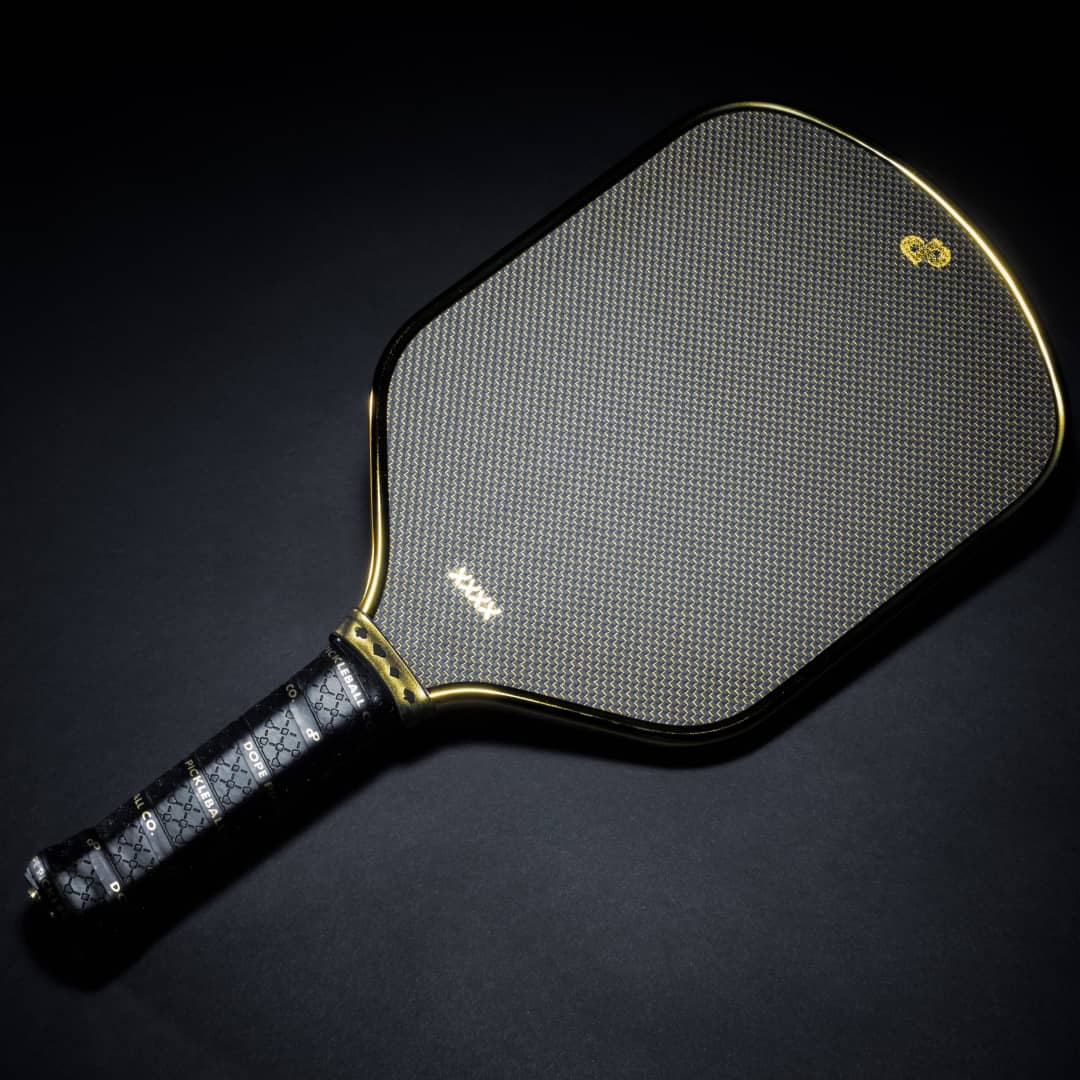
Beginners need control, a secure grip, the correct ball, and court shoes. Dope products add the brand's chrome-gold and glitter look for recreational play. Use each live product page for current options and availability.

The High Roller Paddle

The High Roller Pickleball Paddle is the original Dope chrome-gold, style-first paddle. Its product page states that it is not USA Pickleball approved. Choose it for recreational play and the signature look, not sanctioned tournament eligibility.

A Full High Roller Setup

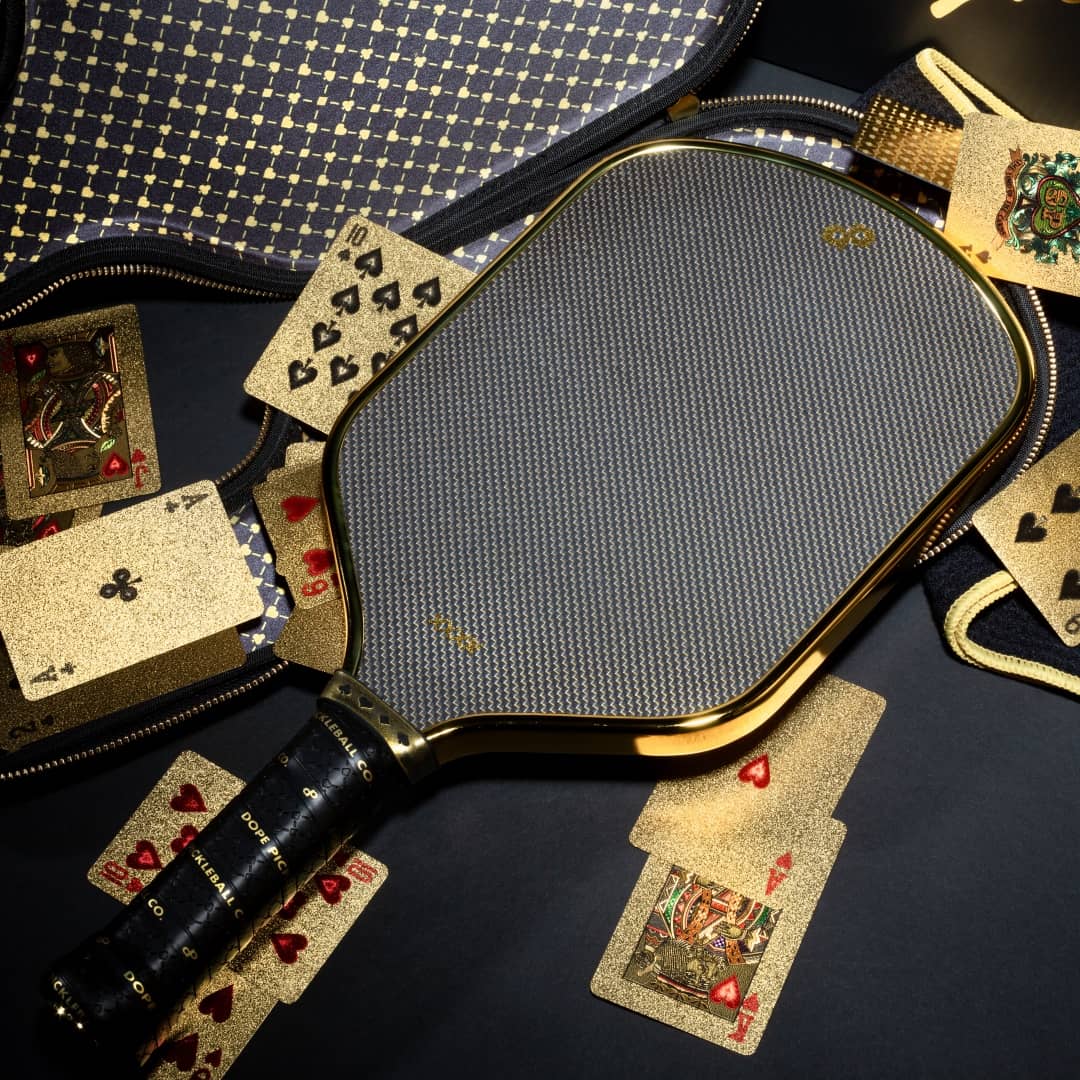
The High Roller Pickleball Club Bundle combines the paddle, coordinated accessories, and club membership in one setup. Check the live page for current contents, sizes, price, and availability.

Frequently Asked Questions

Is pickleball easier than tennis?

For most beginners, pickleball is easier to start because the court is smaller, the serve is more approachable, and compact swings can create a rally sooner.

Is pickleball easy to master?

No. Competitive pickleball requires touch, resets, dinks, transition play, fast reactions, placement, and coordinated doubles strategy.

Why is tennis harder at first?

Tennis combines a larger court, longer swing mechanics, a technical overhead serve, string response, and greater depth control before points become consistent.

Does tennis experience help in pickleball?

Yes. Tracking, footwork, volleys, balance, and court awareness transfer. Tennis players still need to learn pickleball-specific rules and soft-game decisions.

Which sport is a better workout?

Tennis generally involves more running, especially in singles. Pickleball doubles covers less ground, while pickleball singles and high-level doubles can still be physically demanding.

The Bottom Line

Tennis is usually harder to learn at the beginning. Pickleball usually becomes playable sooner. That is a difference in access, not proof that one sport has less depth.

Pick the game that makes you want another session. Motivation and consistent practice matter more than winning an abstract argument about which sport is harder.

For the full decision guide, read Pickleball vs. Tennis: Which Sport Is Right for You?

Sources Checked

Powered by Omni Themes