

To play effectively against a pickleball banger, prepare early, protect your body, choose between block and counter from contact height, keep the ball low, use depth and middle targets, and avoid turning every rally into a pace contest. A hard hitter is not automatically reckless, and patience does not mean passivity. The goal is to make their pace predictable while choosing attacks from better balls.
“Banger” is informal pickleball language for a player who prefers drives, speedups, and fast exchanges over extended soft play. Treat it as a style description, not an insult. Strong players can combine pace with placement, so this guide focuses on the ball you receive rather than a stereotype.
First, Identify What the Hard Hitter Does Well
Do not assume every drive will miss. Watch the actual patterns:
- Do they drive forehand and drop backhand?
- Does pace increase on a short return?
- Do speedups go through the middle, at the paddle-side shoulder, or down the line?
- Can they hit hard from below net height, or do those balls rise?
- After the drive, do they move forward for the fifth ball?
- Can they counter when you return pace?
A player with accurate pace and a strong fifth shot requires different tactics than a player who swings hard from poor balance. Build the strategy from evidence gathered in the first several rallies.
Prepare Earlier, Not Bigger
Fast balls punish long backswings and late footwork. Keep the paddle in front, use a balanced base, and split step as the opponent begins the forward move.
At the kitchen
- Keep the paddle near the likely contact zone.
- Protect the body without locking the elbows against the torso.
- Use a short turn or punch rather than a groundstroke backswing.
- Recover the paddle immediately after every block or counter.
In transition
Do not run through opponent contact. Split step, defend the feet, and try to send the next ball low. Advance only after the response creates time.
When giving ground is appropriate
“Never back up” is not a safe universal rule. Giving a step can create reaction space against a high, forceful attack, an overhead, or a ball directed at the body when you are off balance. The cost is opening angles and yielding court position, so recover forward when the next low ball permits.
Choose a Block, Counter, or Evade
Soft block
Use a compact face, limited forward swing, and enough grip stability to direct incoming pace into the kitchen. “Loose hands” should not mean a wobbling face. The ideal amount of tension varies with speed and contact.
Choose a block when:
- the ball is at the body or below comfortable attack height;
- you are late or off balance;
- the opponent is deep and a short ball will make them move;
- the team needs to reset court position.
Counter
A counter uses compact acceleration and the opponent’s pace to return pressure. Choose it when contact is in front, balance is stable, and a clear target exists.
Useful counter targets include the hitter’s feet, the middle seam, or an uncomfortable hip. Do not counter hard merely because the ball arrived hard.
Evade and let it travel
Some speedups are heading out. If you can safely move without exposing a partner, avoid playing a ball that would land beyond the baseline or sideline. Use “out” or “bounce” calls early, but remember that reaction time and partner position matter.
Make the Next Contact Uncomfortable
Depth
A deep serve or return can keep the hard hitter from stepping into the court. Depth alone is not enough; give yourself margin so the ball stays in.
Feet
A ball at the feet forces an upward or late contact. This is especially useful when the player is moving through transition.
Middle
Middle targets increase court margin, reduce some angles, and may create ownership questions in doubles. If one player’s forehand dominates the middle, shift slightly toward the less comfortable hip or foot rather than feeding the same strike zone.
Body zones
A controlled ball toward the paddle-side shoulder or hip can crowd the swing. Avoid uncontrolled head-high targeting. Safety and control matter more than “winning” the exchange.
Use the Serve and Return to Limit the First Drive
Serving
Use a legal serve to a deep, repeatable target. A short serve can allow the returner to step forward and drive aggressively. Vary direction only while maintaining reliability.
Returning
Return deep and move toward the kitchen under control. A short return can create an easier third-shot drive. Split step before the server’s contact instead of running through it.
Partner assignment
Before the rally, decide who handles the middle drive and which partner calls a ball that appears long. After one player blocks, the other should expect the next attack rather than watching.
Use the Soft Game as a Destination, Not a Forced First Ball
A reset can bring the ball into the kitchen, but trying to drop every hard drive perfectly can produce a high sitter. Build the soft exchange in steps:
- Prepare early and make clean contact.
- Reduce pace to a large central kitchen target.
- Recover paddle and balance.
- Advance only if the ball stays low.
- Use the next dink to move the opponent or protect your team.
If the first reset is too high, defend again. One imperfect ball does not require a desperate counterattack.
The dink mechanics guide and third-shot drop guide build the soft-contact foundation.
Track Patterns Across the Match
| Observation | Possible adjustment | What to avoid |
|---|---|---|
| Forehand drives always crosscourt | Shade subtly and keep line recovery | Abandoning line on one guess |
| Backhand drive rises | Prepare to counter a high ball | Attacking before height is confirmed |
| Short return creates best drive | Add return depth and central margin | Aiming too close to baseline |
| Hitter stays deep after drive | Block short when controlled | Floating the block high |
| Hitter follows drive forward | Target moving feet or use a low angle | Feeding chest-height pace |
Update the plan when the opponent adapts. A strategy is a working hypothesis, not a permanent label.
Four Drills Against Pickleball Pace
1. Block-depth ladder
A feeder drives at moderate pace. The receiver blocks to a large middle kitchen target. Increase pace only after the face remains stable and the ball stays low.
2. Block-or-counter call
The feeder alternates low body balls and higher balls. The receiver calls “block” or “counter” before contact. Score decision and target separately.
3. Transition defense
Begin in midcourt. The feeder varies feet, hip, and open-space targets. The receiver split steps, resets, and advances only after a low ball.
4. Drive-plus-fifth game
Play through the third-shot drive and fifth ball. The driving team scores for coordinated movement and a controlled fifth; the kitchen team scores for a low block or purposeful counter.
Use moderate feeds before high pace. Maintain enough space and control for the participants, and stop if safety breaks down.
Bring the DOPE High Roller Look to Recreational Play
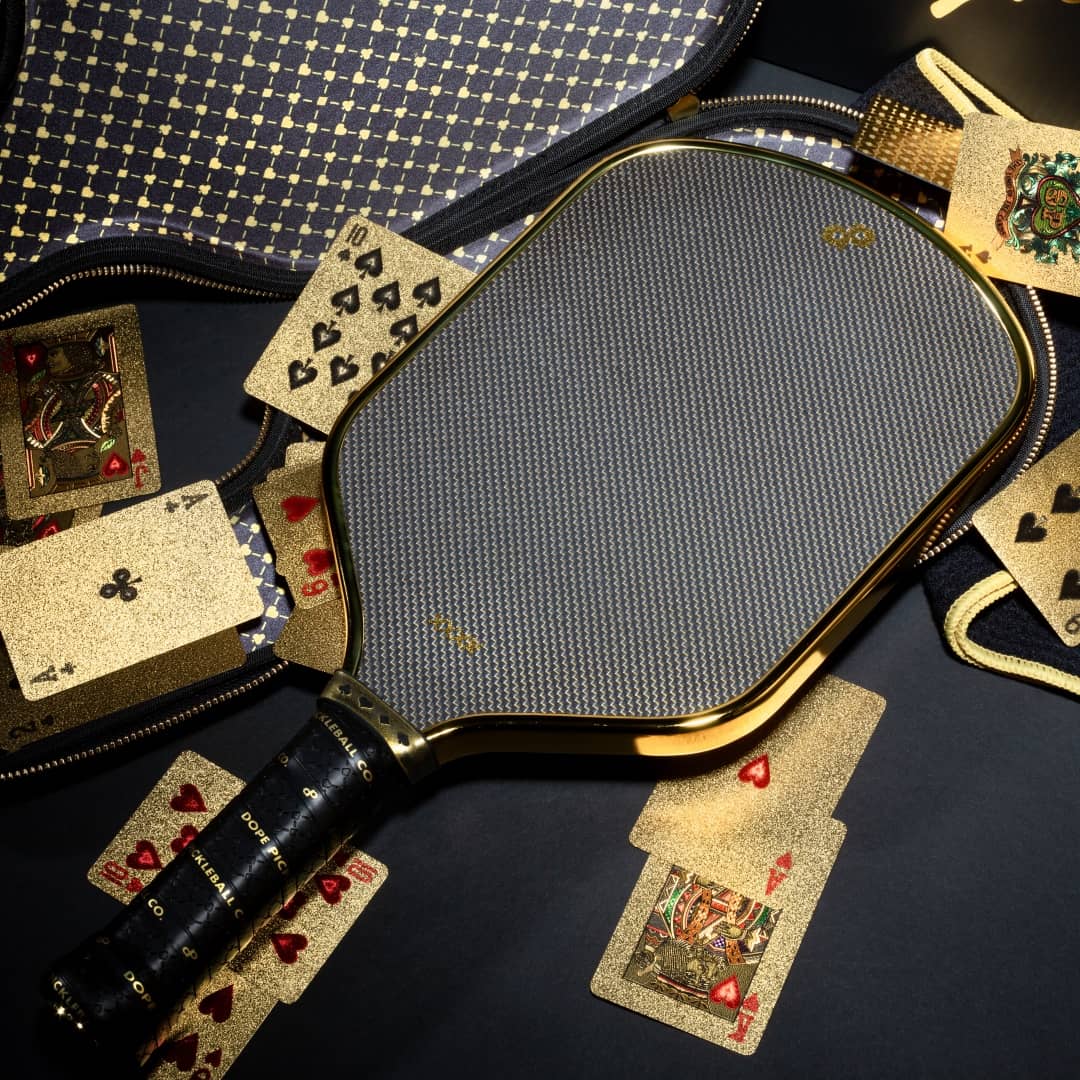
The High Roller Pickleball Club Bundle, Gold Glitter-Infused Ball 4-Pack, and High Roller Performance Sunglasses extend DOPE’s black-and-gold collection from paddle to accessories.
The sunglasses listing describes polarized lenses and UV protection. It does not state ASTM F803 or ANSI impact certification, lens material, or a numerical UV category, so treat them as sunglasses—not certified protective eyewear.
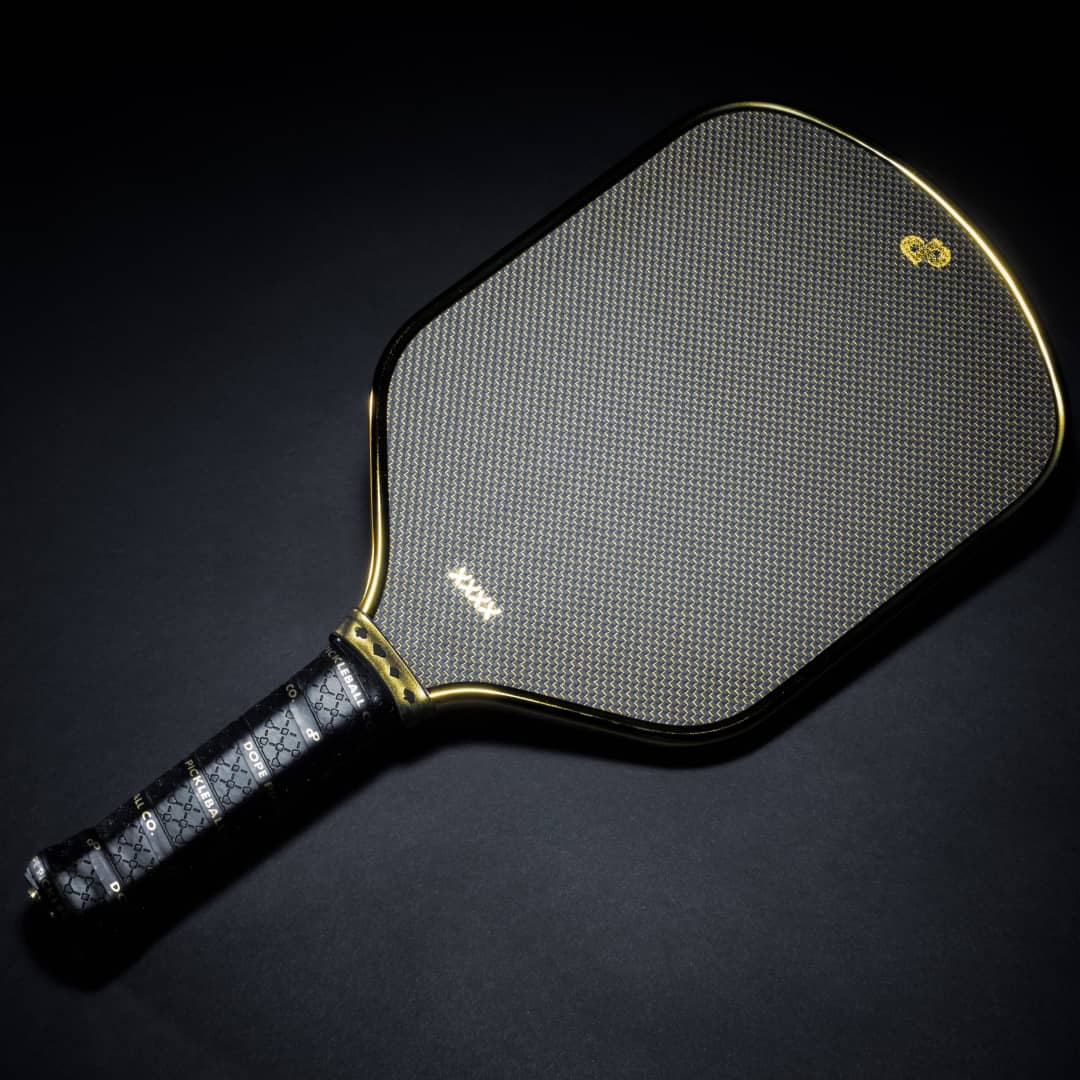
The High Roller Chrome Gold Paddle is a style-forward model for recreational or unsanctioned play where permitted. It is not USA Pickleball approved. Sanctioned-event players should verify their exact paddle on the current official list.
Frequently Asked Questions
What is a banger in pickleball?
It is an informal term for a player who frequently uses drives, speedups, and fast exchanges instead of extended soft play.
Should you always block against a hard hitter?
No. Block when the ball is low, at the body, or catches you under pressure; counter when contact is in front, balanced, and connected to a clear target.
Should you back up against a pickleball banger?
Sometimes. A step can create reaction space against a high attack, but it also yields court position. Recover forward when a low ball allows.
Where should you aim against a hard hitter?
Use depth, moving feet, the middle seam, or a controlled hip zone based on position and the hitter’s demonstrated patterns.
How do you practice returning fast pickleball shots?
Begin with moderate controlled feeds, train block-or-counter decisions, and increase pace only while balance, face stability, and safe targeting remain.


Share:
How to Improve at Pickleball Away From the Court