

To find a pickleball league near you, search official court and club directories, your parks and recreation department, local facilities, and current community calendars—then verify the league directly. The right league matches your discipline, level, schedule, format, rating policy, cost, and travel range; the nearest result is not always the best fit.
League listings change, and community databases can lag. Confirm dates, registration status, venue, organizer, division, fees, equipment, and refund terms from the current first-party source before paying.
Start With Current National Discovery Pages
USA Pickleball's Places to Play page currently points players to Pickleheads as its official court and game finder. Its club directory provides another way to identify local organizations across the United States and Canada.
Those directories are starting points. Open the facility or club's own current page, contact the organizer, and verify the league. A court listing may describe open play without offering a league, and an old club entry may no longer reflect the present schedule.
Search Your Local Public Systems
Check the city, county, park district, recreation department, community center, YMCA, university, senior center, school, and private club calendars in your actual travel radius. Search combinations such as “pickleball league,” “ladder,” “round robin,” “flex league,” “team league,” and “mixed doubles” with the city or neighborhood.
Call when the online listing is incomplete. Ask for the current registration link, organizer name, facility address, dates, level, format, capacity, waitlist, and equipment policy. Do not send payment to a personal account solely because a social comment says a space is available.
Use Community Groups for Leads, Not Final Proof
Local social groups, group chats, bulletin boards, and open-play conversations often surface leagues that have limited marketing. Treat the post as a lead and verify the current details with the organizer or facility.
Protect personal information. A legitimate league should be able to explain who collects data, why it is needed, how payments work, and where participants can obtain the rules and policies.
Know the Main League Formats
Fixed-Schedule League
Players meet at a set day and time for a defined season. It is easy to plan but less flexible when work, travel, or family schedules change.
Flex League
Players or teams schedule within a match window. Ask who books and pays for courts, how deadlines work, and what happens when opponents cannot agree.
Ladder or Challenge League
Results affect movement within the group. Read the challenge, absence, seeding, and rating rules. A ladder position is not automatically the same as a provider rating.
Round-Robin League
Players rotate through scheduled opponents or partners. Confirm how standings are calculated and how missed rounds are handled.
Team or Partner League
A fixed team can build communication and strategy. Verify roster size, substitute rules, combined ratings, and whether both partners register separately.
Match the Level Without Guessing
Ask whether placement uses self-assessment, organizer evaluation, DUPR, UTR-P, another provider, or a local system. USA Pickleball's current ratings page describes DUPR and UTR-P context, but an individual league can define its own valid policy.
Clarify singles versus doubles, the date the rating is read, reliability requirements, playing-up rules, movement during the season, and how new or returning players are assessed. Do not misrepresent your level to create easier matches or avoid an appropriate division.
Ask Twelve Questions Before Registering
- Who owns and operates the league?
- What are the exact dates, times, venue, and court surface?
- Is it singles, doubles, mixed, team, flex, ladder, or round robin?
- Which age, skill, rating, and reliability rules apply?
- Do I need a partner or substitute?
- What are the registration, facility, and court costs?
- What is the refund, withdrawal, rain, and rescheduling policy?
- Which balls and paddles are required or supplied?
- Will results be submitted to a rating provider?
- How are disputes, conduct, and injuries handled?
- What accessibility and parking information is available?
- How will schedule changes be communicated?
Bring a Ball Only When the League Allows It
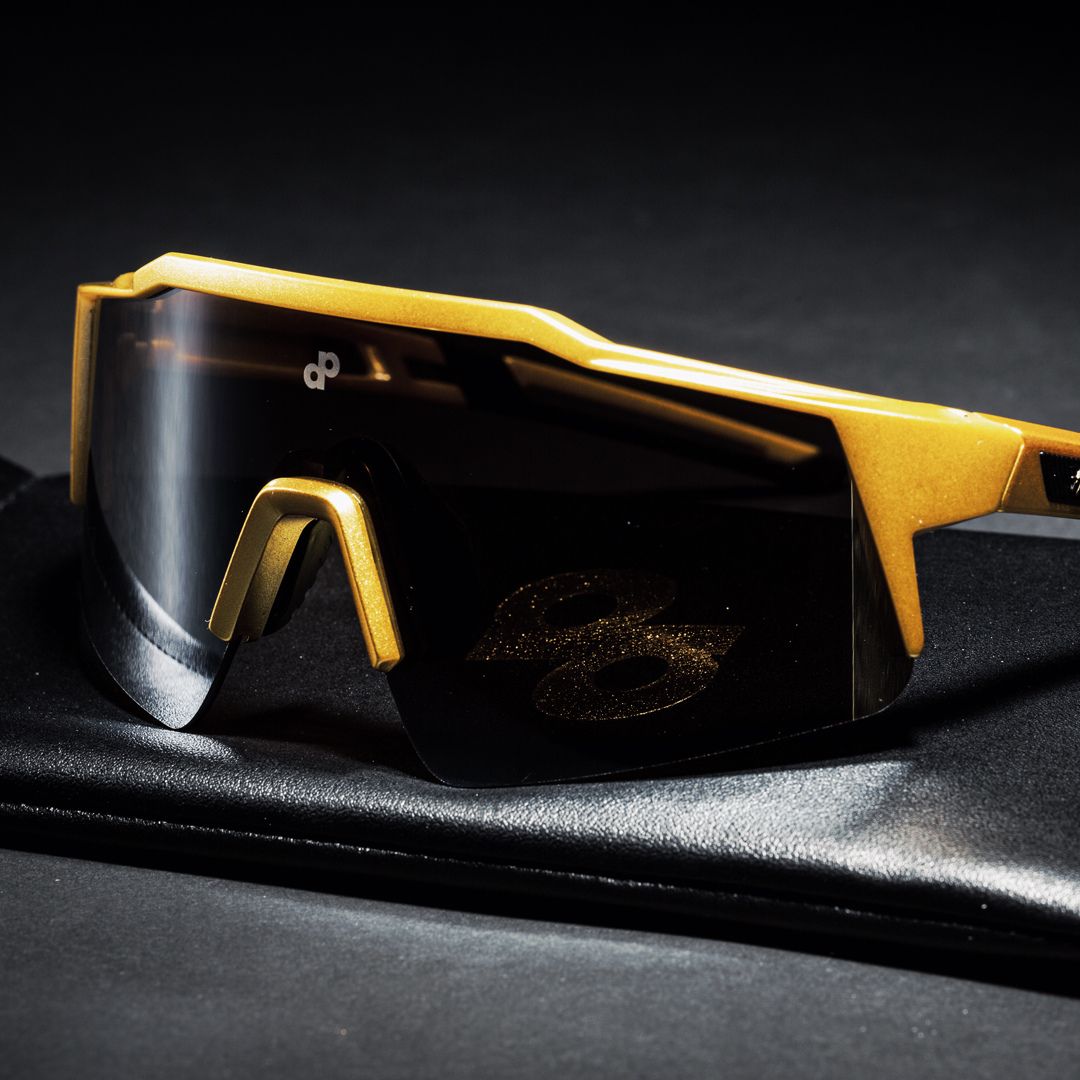
The active yellow glitter outdoor pickleballs offer a distinctive recreational color option. A permitted social or local league may allow them if the organizer agrees and every player can see the ball in the venue.
Yellow, glitter, outdoor naming, or 40-hole language does not establish sanctioned approval. Use the league's exact ball policy, and search the exact model on the required current list when governed play applies.
Dress for the Real Facility and Schedule
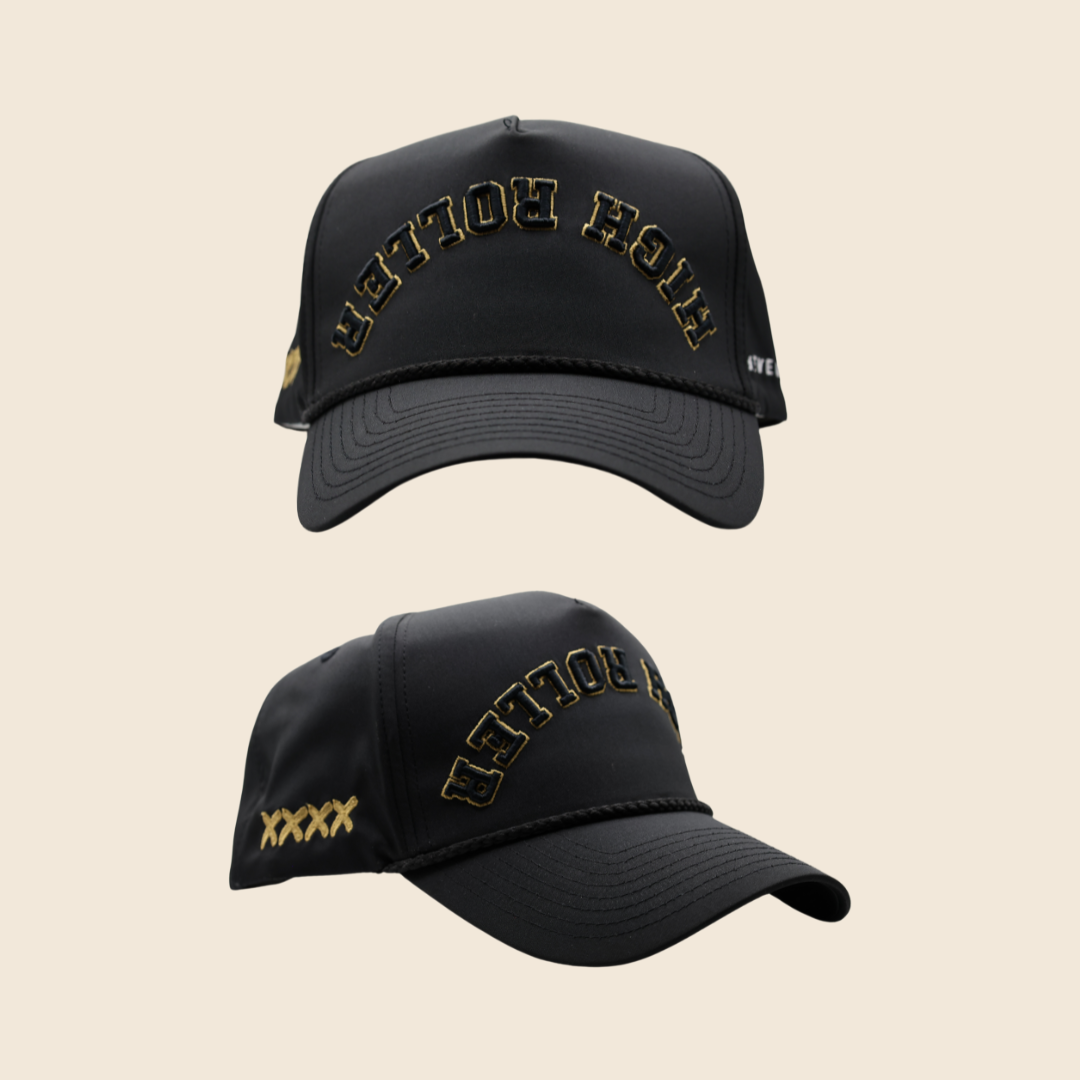
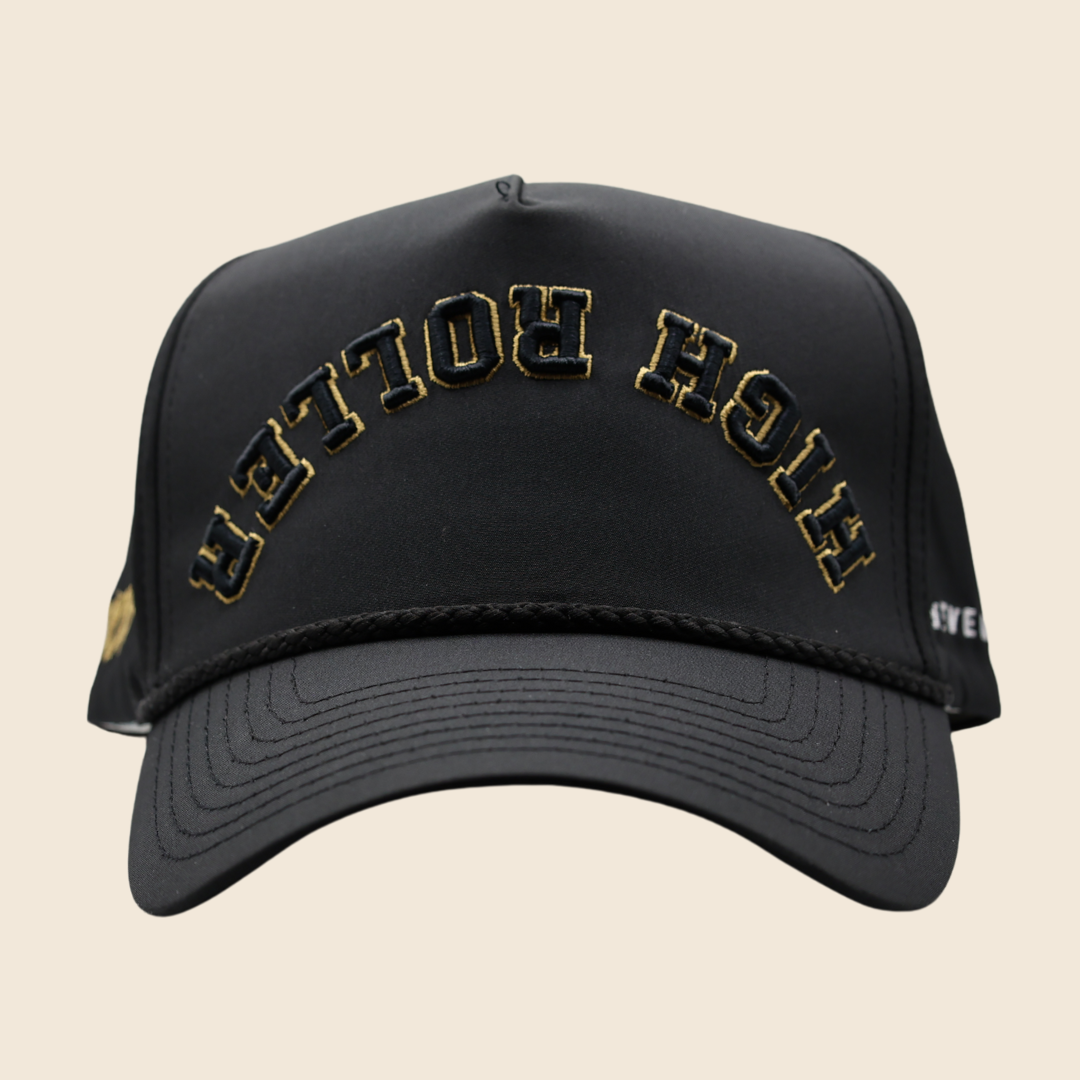
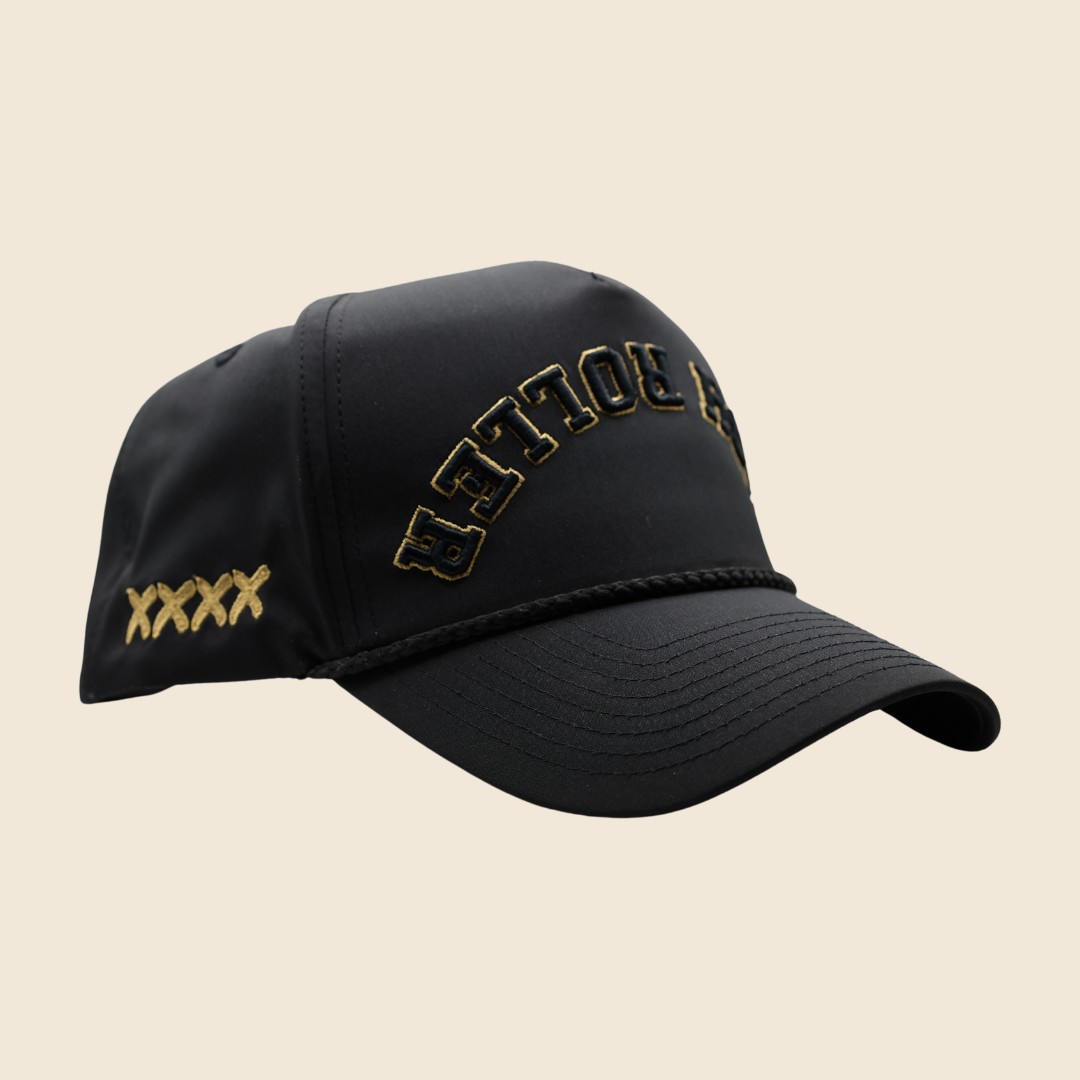
The active High Roller performance socks can carry DOPE black-and-gold style into league night. The current listing shows S-M and M-L variants, subject to availability. It does not document compression, circulation, blister-prevention, injury-prevention, or performance outcomes.
Choose court-appropriate footwear and clothing for the surface, weather, and facility rules. Stop play when pain, unsafe conditions, or another health concern requires it.
Try One Session Before Committing When Possible
Ask whether the league offers a placement night, substitute opportunity, drop-in preview, or prorated entry. Observe whether the description matches the pace, rotation, conduct, and organization.
Evaluate the experience rather than only the strongest player. A good league provides fair placement, reliable communication, respectful play, usable courts, and a clear response when something goes wrong.
Protect Rating and Score Accuracy
Confirm whether matches are recorded before play. Verify the correct accounts, discipline, partners, opponents, and final scores. Review posted results and use the league or provider's current correction process for an error.
Do not pressure another player to confirm an inaccurate result or treat a recreational session as rated after the fact without agreement.
League Red Flags
- unclear organizer, venue permission, or payment destination;
- no written schedule, format, level, or refund policy;
- guaranteed rating gains or exposure;
- pressure to conceal a rating or play in an ineligible division;
- unexplained collection of sensitive personal information;
- no conduct, dispute, weather, or injury process;
- equipment approval claims based only on marketing language;
- materially different conditions from the published description.
Your Local League Search Workflow
- Define travel radius, days, discipline, and level.
- Search current USA Pickleball places and club pages.
- Search public recreation and facility calendars.
- Use community groups to identify additional leads.
- Verify every candidate with the first-party organizer.
- Compare format, rating, schedule, total cost, and policies.
- Preview or ask material questions before committing.
- Register through the verified current channel.
Compare the Full League Commitment, Not Only the Entry Fee
Put each serious option in a small comparison table with the number of sessions, game format, likely court time, travel, parking, substitute policy, rating method, equipment rules, weather plan, refund terms, and communication channel. Ask whether playoffs or finals add dates and whether membership, facility access, or rating-platform fees are separate. A lower registration price can become the larger commitment when travel is long or forfeits are strict. The best nearby pickleball league is the verified program whose level, schedule, rules, and social environment fit the way you actually want to compete.
Frequently Asked Questions
Where can I find pickleball leagues near me?
Start with USA Pickleball's current Places to Play and club pages, then check local parks, recreation departments, facilities, and verified community calendars.
Do I need a DUPR rating to join a league?
Not every league requires one. Ask which rating or placement system applies, which discipline is used, and how new players are evaluated.
What is the best league format for a busy schedule?
A flex league may offer more scheduling freedom, but confirm court booking, deadlines, opponent coordination, and missed-match rules before joining.
Can a league use DOPE glitter pickleballs?
A recreational league can when the organizer and venue permit the exact ball and players can track it. Governed competition requires the applicable current approval and selected-ball rules.


Share:
How to Host a Pickleball Tournament at Your Club
Best Pickleball Tournaments in 2026: How to Choose