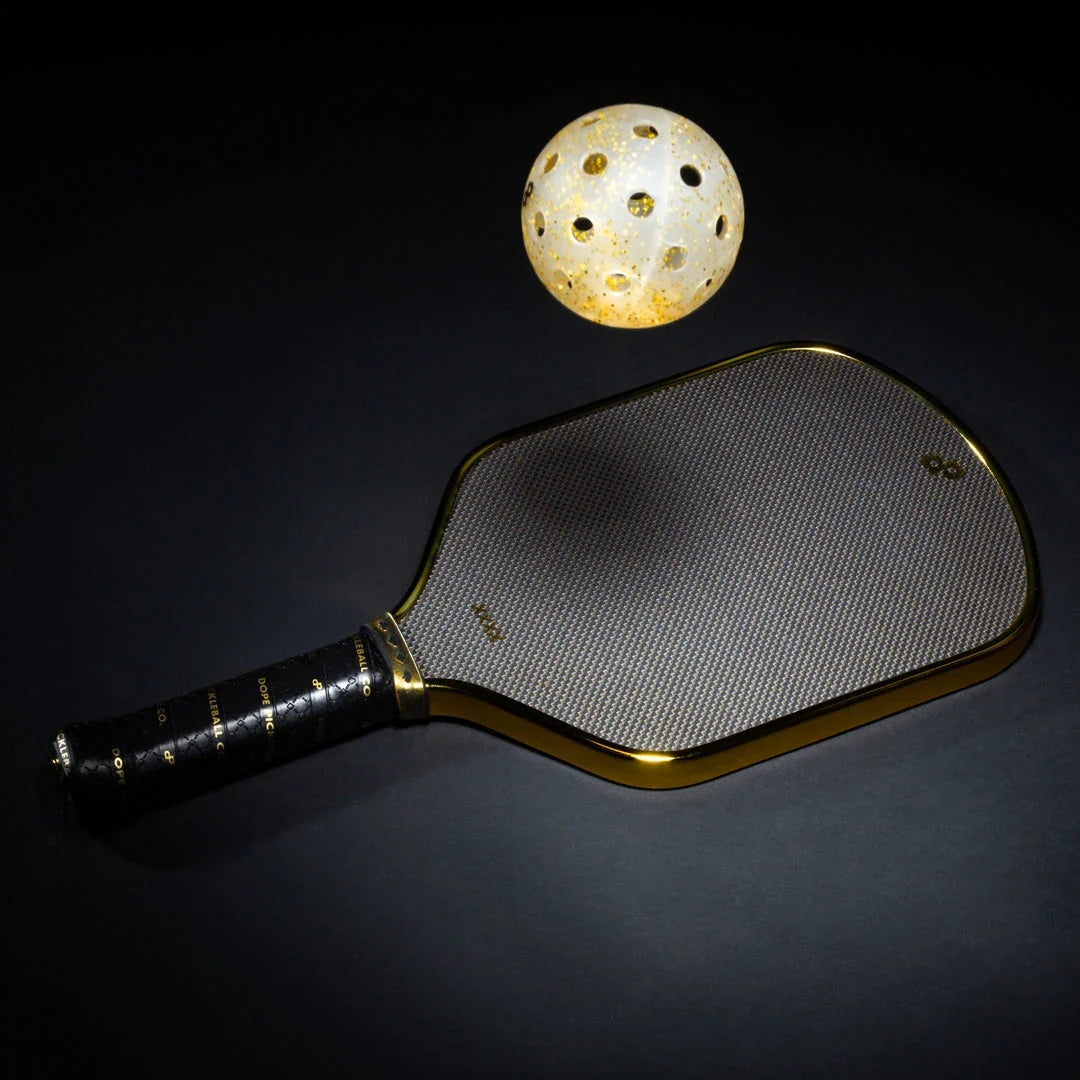


Pickleball fashion is real because the court asks clothing to do several jobs at once: move through lunges and rotations, manage sweat, suit the venue, respect the dress code, and still feel like something you chose to wear. The useful trend is not a single color or logo. It is the shift from “whatever is in the gym drawer” to intentional court kits built around movement, conditions, and personal style.
This guide explains how to choose pickleball outfits without pretending apparel makes a player faster, safer, or better. Fit is individual, product availability changes, and venue rules win. Check the live product page for current sizes, materials, care, price, and inventory.
Start With the Session, Not the Outfit Photo
A two-hour outdoor open-play block has different demands from an air-conditioned indoor clinic, a casual social event, or a tournament day with long gaps between matches. Before choosing a look, answer five questions:
- Will the session be indoor or outdoor?
- What temperature, humidity, wind, or rain is expected?
- How long will you be moving and how long might you wait?
- Does the facility or event publish a dress code?
- Which garments already let you lunge, reach, rotate, and serve without adjustment?
That sequence keeps style connected to use. A coordinated outfit that rides up, restricts a shoulder, traps heat, or violates a club rule is not a successful court kit.
Fit Should Be Tested in Pickleball Positions
Standing in front of a mirror is not a movement test. Wear the garment and simulate a split step, low dink stance, lateral shuffle, overhead reach, serve motion, and deep lunge. Check whether seams pull, waistbands move, sleeves bind, or fabric becomes transparent under stretch. Repeat with the underlayers you actually plan to wear.
Brand size labels are not universal. Compare the current garment measurements with an item you already own, then follow the live return and exchange terms. “Form fitting” is a cut description, not a promise that one size will fit every body the same way.
The active High Roller Lounge T-shirt listing currently describes a 96% bamboo and 4% cotton blend, a form-fitting cut, a rubberized logo, and sizes XS through 3XL. Those are listing facts. The page does not establish universal cooling, sweat-wicking, sun-protection, or performance outcomes, so choose it for its documented material, cut, and look rather than an invented technical claim.
Build From a Practical Base Layer
Start with the items that directly affect comfort and movement: underlayers, shorts or skirt, shirt or top, socks, and court shoes appropriate to the playing surface. Add a hat, warm-up layer, or accessories only after the base works.
Bring a dry change of shirt or socks when the session is long or conditions are humid. Pack the used layer separately. This is a simple comfort and hygiene routine, not a claim that one fabric prevents a health problem.
Socks Are Part of Fit, Not Decoration Alone
A sock changes the volume inside a shoe. Test the exact sock-and-shoe combination before a long event. Check toe space, heel movement, bunching, seam placement, and whether the shoe still laces securely. A thicker or taller sock may feel different without being universally better.
The High Roller tall socks create a clear black-and-gold visual connection with the shirt and hats. That styling note should not be turned into a blister-prevention, compression, circulation, or injury-prevention promise unless the live listing and appropriate evidence support it.
Use Color Deliberately
Black and gold create a strong brand uniform; white can lighten the palette; pink or yellow accessories can add one focal point. Repeating one accent twice—such as a gold logo and gold hat detail—usually creates cohesion without requiring every item to match.
Ball visibility is a separate issue from outfit coordination. Avoid clothing that disappears into a facility’s background or makes it harder for other players to track the ball when a venue has specific guidance. The court’s conditions and players’ vision vary, so no color is universally optimal.
Hats and Eyewear Need Product-Specific Checks
The active black DOPE x Reversed hat, white DOPE x Reversed hat, and black-and-gold High Roller hat offer different visual finishes. Confirm the current closure, fit information, and care instructions before buying.
The High Roller Performance Sunglasses listing describes polarized lenses and UV protection, but it does not state ASTM F803 compliance, an ANSI impact rating, lens material, or a numerical UV category. Do not present them as certified protective sports eyewear. Players who need impact-rated eye protection should choose a product with the appropriate current documentation for their use.
Outdoor Conditions Require a Whole Plan
Clothing is only one part of outdoor preparation. Use current weather and heat information, bring water, plan breaks, seek shade, and follow medical guidance appropriate to you. The CDC heat-health guidance explains signs and prevention principles; no DOPE apparel item should be marketed as protection against heat illness.
Sunscreen, shade, timing, and suitable coverage may also matter. A garment should not be assigned a UPF rating unless that rating is documented for the exact product.
A Repeatable Pickleball Outfit Formula
- Choose the court shoe and sock combination you have tested together.
- Select bottoms that allow a full lunge and secure pocket use if needed.
- Add a top whose actual cut and material suit the session.
- Use one or two brand accents rather than stacking every available accessory.
- Pack a dry layer, water, and weather-specific items.
- Recheck the event dress code and prohibited logos before leaving.
Pack for the Gap Between Matches
Tournament and league clothing has to work while you are playing and while you are waiting. A light warm-up layer can help during an air-conditioned delay; a dry shirt and socks can make a second session more comfortable; a small bag for damp items keeps the rest of the kit separate. Label personal gear in a shared staging area and follow the venue’s bag-location rules.
Check pockets before the first game. A phone, loose key, or oversized item can move during a lunge. Decide whether you need a secure pocket, a courtside bag, or neither. Do not place valuables or bottles where another player can step on them.
Use Real Apparel Images in Brand Content
Apparel photography should preserve garment color, logo placement, cut, texture, sleeve length, and proportions. Do not narrow a waist, lengthen a body, change a neckline, add technical mesh, or create a synthetic “performance” version of the shirt. If fit is shown on a person, identify the listed size and avoid implying that one body represents every customer.
A fashion story can be stylized without redrawing the merchandise. Keep an exact current product photograph beside any campaign image, and link to the live listing for the details that may change.
Good pickleball fashion is not costume. It is a kit that fits the session, reflects the player, and makes no claim the product cannot support.
Frequently Asked Questions
What should I wear to play pickleball?
Choose clothing and court shoes that fit the venue, conditions, dress code, and your full range of movement. Test the complete outfit in pickleball positions before a long session.
Is the High Roller shirt a technical performance shirt?
The live listing describes a bamboo-cotton blend and form-fitting cut. It should not be assigned cooling, wicking, UPF, or performance claims that the listing does not document.
Are High Roller sunglasses impact-rated sports eyewear?
The listing does not state ASTM F803 compliance, an ANSI impact rating, lens material, or a numerical UV category. Do not describe them as certified protective sports eyewear.


Share:
Why Pickleball Is America’s Fastest-Growing Sport: The Data
Major League Pickleball 2026: Current Season Guide